Netflix's Lucy Letby Documentary Unveils First Admission of Doubt from Accusing Doctors
The highly anticipated Netflix documentary, The Investigation of Lucy Letby, is set for release this Wednesday, offering a deep dive into one of Britain's most harrowing criminal cases. The film revisits the evidence that led to Letby's conviction for the murder of seven infants and attempted murder of seven others between 2015 and 2016, a verdict that marked her as the country's worst child serial killer.
Unprecedented Access and Unexpected Turns
Cheshire police granted unparalleled and exclusive access to the documentary makers shortly after Letby received 15 whole-life sentences. However, the finished product diverges significantly from initial expectations due to subsequent developments in the case. Since the trials, the prosecution evidence and police handling have faced unprecedented criticism from numerous distinguished British and international medical experts.
Leading this chorus of scepticism is Canadian neonatologist Dr Shoo Lee, who features prominently in the documentary and reiterates his claim that his research was misused to convict the nurse. Many experts now believe Letby may be innocent, suggesting she could be the victim of a catastrophic miscarriage of justice.

Contrasting Expert Opinions
The documentary pits these dissenting voices against the experts relied upon by Cheshire police and the Crown Prosecution Service, notably retired paediatrician Dr Dewi Evans. Evans recounts how he volunteered for the case after reading about the police investigation, famously emailing a contact with the phrase "Sounds like my kind of case".
Critically, the film highlights how Evans' theories about the babies' deaths were exceptional, given that previous investigations—including postmortems, inquests, and reviews by the Royal College of Paediatrics and Child Health—found no evidence of deliberate harm. The documentary questions whether police adequately scrutinised Evans' novel diagnoses or sought additional expert opinions at that crucial stage.
Intrusive Footage and Personal Anguish
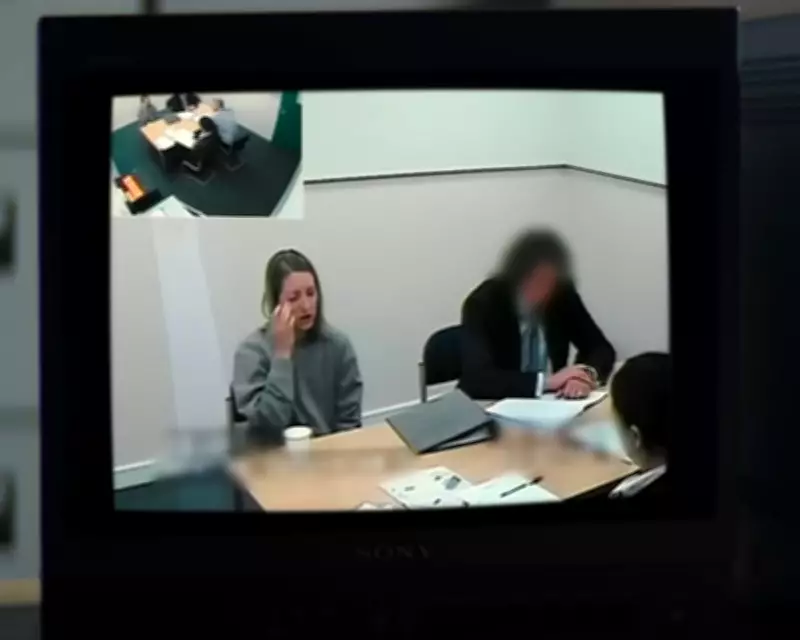
While Cheshire police promised "never before seen" footage, much of this material comprises extended scenes of Letby's three arrests. This inclusion has sparked controversy, with Letby's parents criticising it as an invasion of privacy. Viewers see Letby breaking down in tears during her first arrest at home, followed by two subsequent arrests at her parents' house in Hereford, where she appears distressed and vulnerable.
The documentary revisits familiar evidence, such as the shift chart linking Letby to 25 suspicious incidents, but provides little context for more sinister interpretations, like her keeping nurse handover charts or looking up parents on Facebook. Greater attention is paid to Letby's private notes, which contained contradictory statements ranging from "I am evil, I did this" to "I haven't done anything wrong".
Her lawyer, Mark McDonald, explains that Letby wrote these notes during mental distress after being removed from her job, as part of hospital-arranged counselling where she was advised to document her thoughts. Throughout police interviews, Letby consistently denied the accusations, maintaining her love for her job.
Groundbreaking Revelations and Lingering Guilt
Dr Shoo Lee's involvement is a focal point, showcasing his presentation at a landmark press conference in February 2025, where he concluded, "Ladies and gentlemen, we didn't find any murders." His panel found all babies died from medical causes and catalogued instances of poor care, aligning with original postmortem results.
An anonymous mother featured in the film acknowledges hospital failures but counters Lee's analysis, noting that multiple medical professionals had indicated her baby was improving. Detective Superintendent Paul Hughes expresses no doubts over the convictions and does not engage with expert criticism in the documentary.

The most significant revelation comes from Chester hospital consultant Dr John Gibbs, who admits, "I live with two guilts... tiny, tiny, tiny guilt: did we get the wrong person?" This marks the first public admission of doubt from one of the doctors who initially accused Letby, adding a profound layer of complexity to the case.
As the documentary premieres, it not only revisits the evidence but also underscores the ongoing debate about justice, expert testimony, and the human cost of this tragic chapter in British legal and medical history.