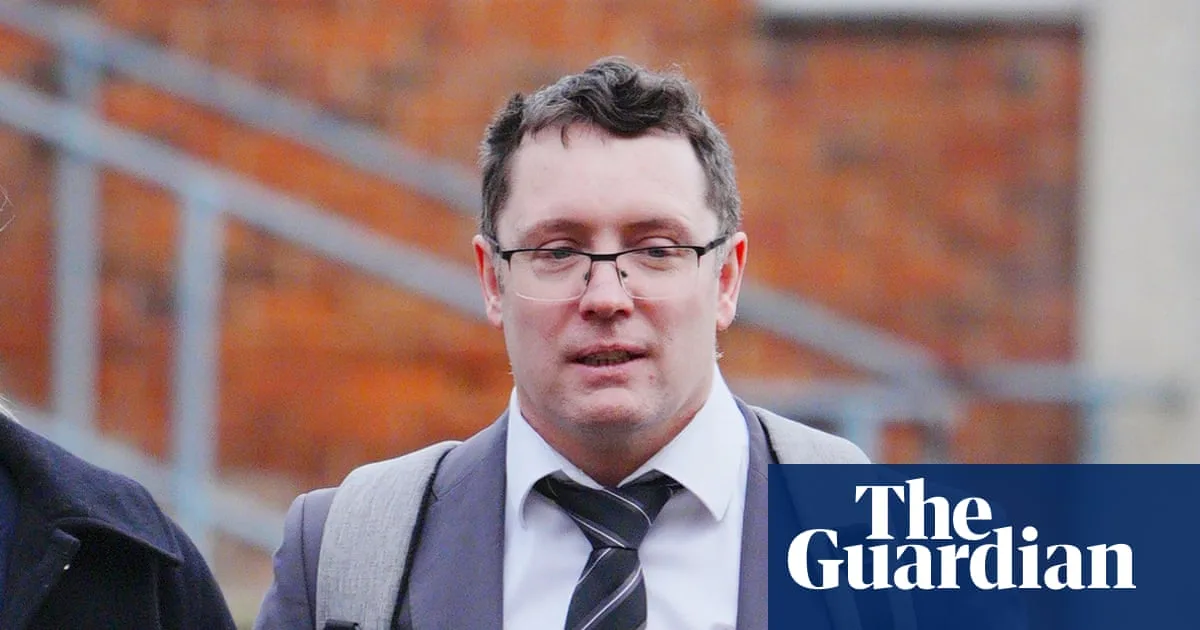
IT Consultant Cleared of Manslaughter After Wife's Suicide, Defence Claims 'Fantasist' Setup
IT Consultant Acquitted in Wife's Suicide Case, Defence Alleges Setup

Wealthy IT Consultant Acquitted in Wife's Suicide Case After Defence Claims She Was a 'Fantasist'

A prosperous IT consultant accused of driving his wife to suicide through what prosecutors described as a 'tsunami of abuse' has been cleared of all charges, with his legal team asserting that she was a fantasist who orchestrated evidence against him. Christopher Trybus, 43, was found not guilty of the manslaughter of Tarryn Baird, 34, who was discovered hanging in the garage of their five-bedroom residence in Swindon, Wiltshire, in November 2017. He has consistently and vehemently denied any responsibility for her death.

Additionally, Trybus was acquitted of controlling and coercive behaviour and two counts of rape. The case spanned nearly a decade, with investigations and trials following Baird's suicide, which occurred hours after she contacted mental health services and a day after visiting a local police station.

Background and Allegations

Trybus, a software expert earning up to £300,000 annually and known for driving a Porsche, later married Polish-born Beata in 2024, six years after his first wife's death. His second wife, Beata Trybus, 39, supported him throughout the trial, attending court daily and posting an online statement declaring her belief in his innocence, stating he had been 'falsely accused'.

Wide Pickt banner — collaborative shopping lists app for Telegram, phone mockup with grocery list

The prosecution, led by England's senior prosecutor Tom Little KC, alleged Trybus engaged in 'extensive and escalating controlling, coercive, and manipulative behaviour, including sexual violence of two rapes and other sexual assaults'. However, the defence, represented by Katy Thorne KC, painted a different picture, describing the situation as 'Kafka-esque' due to what they claimed was fabricated evidence by Baird.

Key Evidence and Defence Arguments

A central piece of evidence was an audio recording alleged to capture Trybus raping Baird. The defence argued this was actually consensual rough sex, likening it to the erotic themes in '50 Shades of Grey'. Thorne emphasized that women enjoy kinky sex as much as men, noting Baird had purchased sex toys and joked about rough sex with friends.

The defence highlighted inconsistencies in Baird's allegations, pointing out two instances in November 2016 where Trybus was proven to be overseas—in Gothenburg, Sweden—when she claimed he attacked her. Flight reservations, receipts, and witness accounts supported his alibi, contradicting her reports of beatings. Thorne suggested Baird may have self-inflicted injuries to support false claims, a notion partly supported by forensic pathologist Dr Amanda Jeffrey, who noted injuries could result from accident or self-harm.

Thorne criticized what she called a 'dogma' that women never lie about domestic violence, arguing it led to a flawed prosecution. She described Baird as an attention-seeker and fantasist, trapped in her own lies, who made false allegations due to boredom and loneliness when Trybus travelled for work. Thorne warned that such cases could unfairly target men, stating, 'If you enter a relationship with a woman who's making false allegations against you, even if they are untrue, you will be prosecuted within an inch of your life.'

Mental Health and Trauma

The jury was informed of Baird's significant mental health issues, stemming from traumatic events in South Africa. At age 16, she witnessed her father's violent carjacking in Johannesburg, and later, she nearly became a victim herself in another armed robbery, leading to a diagnosis of PTSD. These experiences contributed to her struggles, including overdoses and excessive drinking.

Baird and Trybus moved to the UK in 2007, settling in Swindon for its affordability and transport links. They married in Johannesburg in 2009, enjoying a luxury lifestyle with a five-bedroom house and high-performance cars. However, attempted burglaries in 2015 exacerbated her PTSD, and Thorne argued this, not alleged abuse, led to her suicide.

Pickt after-article banner — collaborative shopping lists app with family illustration

Legal Proceedings and Outcome

During the eight-week trial at Winchester Crown Court, the defence made three applications to dismiss the case, citing 'unreliable' and 'hearsay' evidence. Judge Mr Justice Linden rejected these, citing the high threshold required to halt a criminal trial. Trybus testified in his defence, breaking down in tears as he described learning of Baird's death while abroad, calling it 'the worst day of my life'. He denied all allegations of violence, rape, and coercive behaviour.

The case was initially dropped after a coroner-led investigation found injuries on Baird's body, but it reopened in 2020 when her mother, Michelle Baird, discovered selfies showing injuries and an audio recording. Dorset Police took up the case, leading to charges in February last year. Despite this, the jury ultimately acquitted Trybus, accepting the defence's narrative.

Aftermath and Moving Forward

Since Baird's death, Trybus has attempted to rebuild his life, initially struggling to sleep in their shared bed and later selling their home and Porsche. He found love with Beata Hefczyc, marrying her in 2014 and living with her children in a village near Swindon. The trial's conclusion marks the end of a long legal battle, with Trybus walking free as the defence's claims of a 'fantasist' setup prevailed.