First Photos Emerge of Nazi Massacre Where Executioners Fainted During Atrocity
First Photos of Nazi Massacre Where Executioners Fainted

First Photographic Evidence Emerges of Notorious Nazi Massacre in Athens

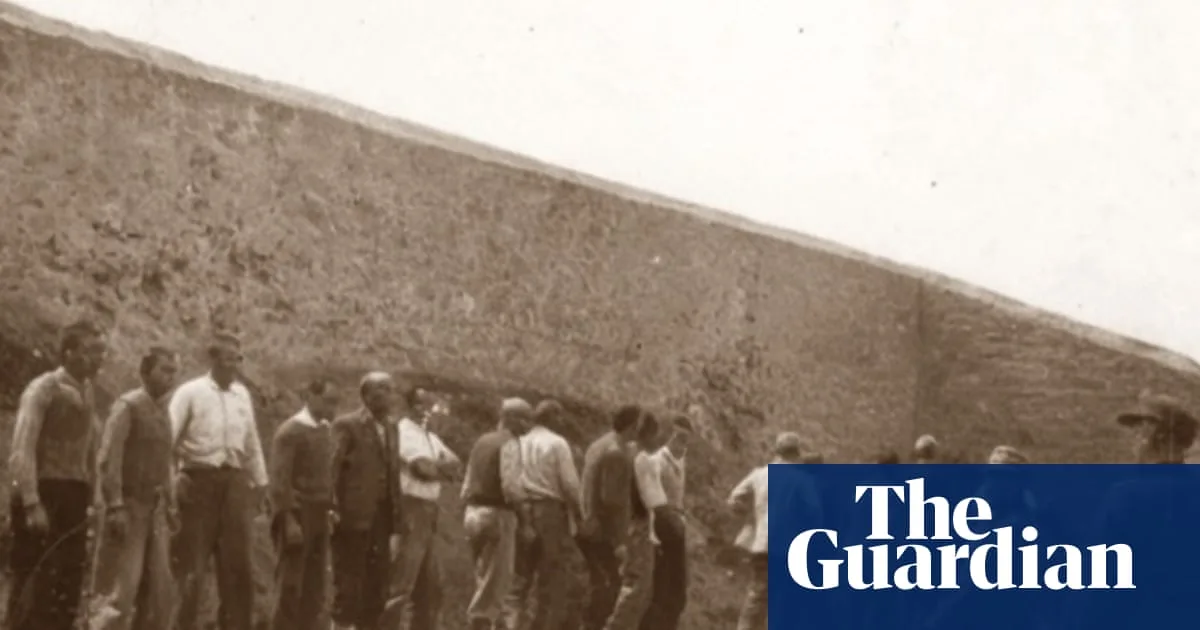
For the first time, photographic documentation has surfaced showing the harrowing final moments of 200 Greek prisoners executed by Nazi forces in a brutal World War II massacre. The long-hidden images reveal the grim reality of the Kaisariani executions, which took place on May 1, 1944, in an Athens suburb.

A Retaliation That Shocked Even the Perpetrators

The mass execution was ordered as direct retaliation for the killing of Nazi General Franz Krech and three staff members by Communist guerilla fighters just four days earlier. Although historians have extensively documented this atrocity through written accounts and survivor testimony, visual evidence remained elusive until now.

Witnesses reported that the slaughter was so gruesome that some Nazi guards actually fainted while carrying out the executions. Rita Boumi-Pappa, who lived mere meters from the shooting range, documented how "the Austrians of the first firing squad could not stand it anymore and sometimes fainted," prompting the commanding German officer to replace them twice with more composed soldiers.

Wide Pickt banner — collaborative shopping lists app for Telegram, phone mockup with grocery list

The Final Journey of 200 Condemned Men

The photographs show groups of men being marched to their deaths at a shooting range in Kaisariani. Early on that fateful morning, prisoners had been transported from Haidari concentration camp to a ravine on Mount Hymettus via Wehrmacht lorries. A death row list had been meticulously prepared at SS headquarters beforehand.

During their final journey, many victims managed to write letters to loved ones, throwing notes into the streets of Athens as they passed through. Witnesses described how prisoners defiantly sang both the Greek national anthem and "The Internationale," the communist anthem, as they approached their execution site.

Four Hours of Systematic Slaughter

The executions unfolded over four agonizing hours, with Nazi guards shooting prisoners in batches of twenty. According to one witness, the killing proceeded so rapidly that "the soil had no time to suck up all the blood." After each round of shootings, surviving prisoners were forced to load their dead comrades' bodies into vehicles before being lined up and shot themselves.

This horrific cycle repeated ten times until just after 10 a.m., when no prisoners remained alive. Horrified onlookers, including family members and friends of the victims, gathered on nearby hillsides, powerless to intervene.

Heroic Defiance in the Face of Death

Among the victims was trade unionist Napoleon Soukatzdis, who spoke German and had served as a translator. The Nazis offered to spare his life, but he refused this special treatment and chose to die alongside his comrades, an act that has since made him a national hero.

The newly emerged photographs show one man raising his hand in what appears to be a final act of defiance moments before his execution. Historian Menelaos Haralambidis noted that the images "confirm the testimony we have, that these men headed to their deaths with their heads held high, they had incredible courage."

The Photographs' Controversial Provenance

The twelve photographs first appeared on eBay this past Saturday, listed by a collector of Third Reich memorabilia. Greek media reports suggest they originally came from the personal album of German lieutenant Hermann Heuer. The Greek Ministry of Culture has stated it is "highly likely" the images are authentic and were probably taken by Guenther Heysing, a journalist attached to Nazi propaganda minister Joseph Goebbels's unit.

One particularly haunting image shows prisoners discarding their overcoats outside before being marched into the shooting range. The Greek Ministry of Culture has dispatched experts to Ghent, Belgium, to examine the photographs and speak with the collector who listed them for sale.

Historical Context of Nazi Occupation

The Kaisariani massacre represents one of the worst atrocities committed during Germany's three-year occupation of Greece from 1941 to 1944. This period was marked by numerous brutalities against Greek villagers and the near-total decimation of the country's Jewish community. In Athens alone, more than 40,000 people are believed to have starved to death during the occupation.

Pickt after-article banner — collaborative shopping lists app with family illustration

The Communist-led Greek People's Liberation Army (ELAS) emerged as one of the most active resistance organizations in occupied Europe. Many of those executed at Kaisariani had previously been persecuted during anti-Communist raids conducted by the police of Greek dictator Ioannis Metaxas, who had arrested most of the victims years earlier.

Preserving a Painful Legacy

The Greek Communist KKE party has called the photographic collection "priceless" and has tentatively identified at least two of the men pictured. "These documents belong to the Greek people," the party declared. Thrasyvoulos Marakis, grandson of one identified victim, expressed gratitude "that we were given the opportunity for my grandfather's story to become known to everyone, a man who remained faithful to his beliefs until the very end."

The Greek Ministry of Culture has announced that "if the authenticity and lawful provenance of the collection are documented, the Ministry will immediately finalise measures for its acquisition." Until now, the only firsthand accounts of the victims' final moments came from handwritten notes they threw from transport trucks, making these photographs an unprecedented visual record of a dark chapter in Greek history.