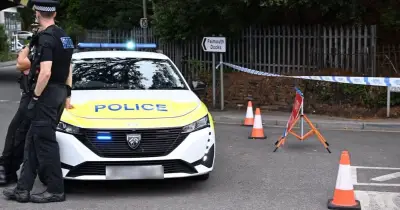
A judge sentencing those who took part in the Ely riots spoke about the deaths of two young boys which led to violence and disorder in the street. She also paid tribute to police officers who "held their ground" and prevented the riot from spreading.
A total of 30 defendants are appearing at a sentencing hearing at Cardiff Crown Court for the roles they played in the Ely riots, which broke out following the deaths of Kyrees Sullivan, 16, and Harvey Evans, 15, following an ebike collision in Snowden Road on May 22, 2023.
Moments after the collision large crowds consisting of members of the close-knit community of Ely came out to witness the horror as it unfolded.
Shock and sadness quickly turned to distress and anger at how the police were handling the scene and as rumours circulated that the police were responsible for the death of Kyrees and Harvey who had previously been pursued by a police van.
As time went on a larger proportion of the crowd became hostile towards the police with that hostility quickly escalating to the point the police were facing a flat-out riot.
Hundreds of police officers were directed to assist colleagues as missiles were thrown from the crowd including bottles, bricks, plasterboard, and fireworks.
On Wednesday, a total of 10 defendants were sentenced. These included:
- Ashdon O'Dare who was sentenced to six years and six months imprisonment
- Lee Robinson who was sentenced to six years and six months imprisonment
- Michaela Gonzales who was sentenced to five years and seven months imprisonment
- Jordan Bratcher who was sentenced to five years and six months imprisonment
- Tyler Stapleton who was sentenced to four years and four months imprisonment
- Luke Williams who was sentenced to six years imprisonment
- Jaydan Baston who was sentenced to four years and six months detention in a young offenders institute
- McKenzie Pring who was sentenced to four years detention in a young offenders institute
- Keiron Beccano who was sentenced to five years and six months imprisonment
- Harvey James was sentenced to a 24-month community order
In her sentencing remarks the Recorder of Cardiff Judge Tracey Lloyd-Clarke summarised the events of the riots, made reference to the deaths of Kyrees Sullivan and Harvey Evans, and the effects on police officers who were caught up in disorder.
Judge's Full Sentencing Remarks
"On May 22, 2023, 16-year-old Kyrees Sullivan and 15-year-old Harvey Evans were riding an electric bike in Snowden Road, Ely, in Cardiff. They lost control of the bike and crashed.
"They both suffered catastrophic injuries and, although the emergency services arrived very quickly, sadly both Kyrees and Harvey died at the scene. The loss of Kyrees and Harvey has obviously caused the most terrible grief to their families. The deaths of Kyrees and Harvey also brought grief to their community in Ely.
"As the terrible news began to spread, people gathered near the scene. Initially there was grief and distress. Very soon rumours began to spread about the cause of the crash, including rumours on social media, and the police were blamed.
"More people came to join the crowd, not just those in the immediate vicinity but also from the surrounding area. Anger and hostility towards the police began to build. The police had secured the scene of the crash and needed to set up cordons to secure the area, to allow access by members of the emergency services, to begin an investigation as soon as possible, and because two young boys lay deceased at the scene.
"There was an initial incident of violence when a bottle was thrown at the police by an unidentified masked man but this did not result in any immediate further disorder.
"There then came a time when the police needed to create more space and began to move the police cordons further away from the scene, causing the crowd to move away. Many in the crowd became openly aggressive towards the police, refusing to move until made to do so.
"The police officers at the scene were abused and threatened with violence. Some in the crowd were encouraging the use of violence towards the police. At 8.30pm, as the police were moving the crowd further back, some people in the crowd began throwing missiles at the police. Bottles, bricks, stones, bits of plasterboard and other items were thrown at the officers.
"The officers present at that time were there to protect the scene of the fatal collision and so they were not wearing any protective clothing. Nevertheless, they held their ground and tried their best to contain the disorder.
"There were insufficient police numbers to deal with the size of the crowd despite the later arrival of public order trained and properly equipped reinforcements. The missile throwing continued for hours.
"The police tactic was to advance to disrupt the mob and then retreat to try to ensure their own safety. The size of the crowd was growing as more people arrived to join in and also to see what was happening.
"People were filming and live streaming the violence, they were encouraging the violence, and they were enjoying it, whether as participants or spectators, cheering and laughing as police officers were injured. Deliberate efforts were made to injure officers by aiming for the officers' legs which were not protected by their shields.
"As well as stones and bottles, rioters threw concrete blocks, drain covers, paint, microwaves, doors, and anything else that they could get their hands on.
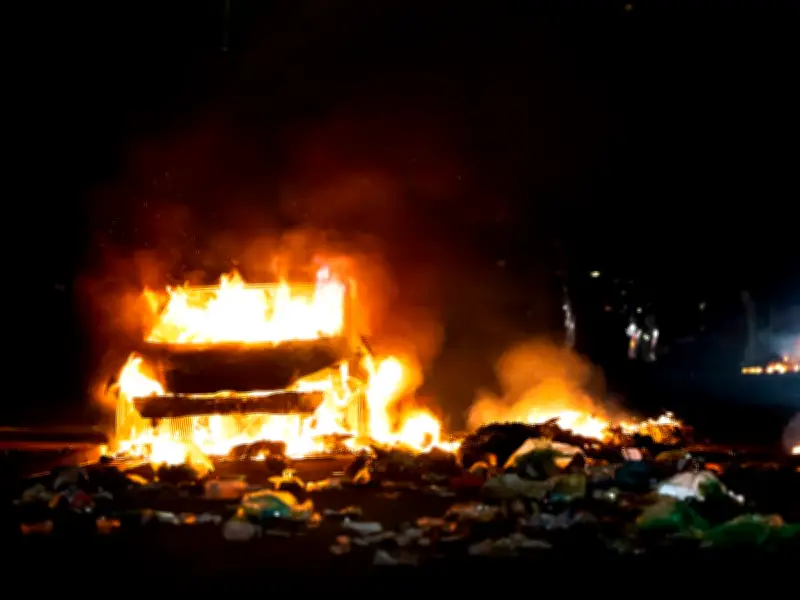
"Cars were damaged and set alight, fires were started, aerosol cannisters were used as improvised flamethrowers and as missiles, and fireworks and petrol bombs were thrown. The crowd cheered, including when an officer was struck by a petrol bomb, covering her in flames.
"As police officers were being injured, they had to be removed from the front line and so the police numbers were reducing despite the arrival of reinforcements.
"Throughout the riot, the police officers kept their composure and did their best to manage what was undoubtedly a truly terrifying and life threatening situation. Despite being heavily outnumbered, the police were able to contain the riot to Snowden Road, Stanway Road and Wilson Road. This riot continued until the crowd began to disperse at about midnight.
"Thirty one police officers and one civilian suffered injuries, mainly soft tissue injuries, minor wounds, bruising, and others injuries to arms and legs. However, some officers suffered concussion, hearing loss, sprained limbs, and a broken foot.
"The personal victim impact statements set out the psychological harm caused. Some of the physical injuries and much of the psychological damage caused that day continue to affect the officers now, some three years after the offence.
"The impact on South Wales Police is set out in the statement of deputy chief constable Mark Travis, made on March 11, 2024. At that time, the cost to South Wales Police was in excess of £1m. Obviously, the costs will have increased since that statement was made.
"Substantial damage was caused to the community. Local residents had their cars damaged, including four vehicles that were burnt out completely. The scale of the damage at the scene of the riot was significant. So much so that when a two-year-old child living in Stanway Road had a medical emergency in the early hours of the morning shortly after the riot, the ambulance could not get down the street to attend to the child. Police medics stepped in to assist instead.
"These 30 defendants now have to be sentenced for their part in that riot."