Australia Blocks Alleged ISIS-Linked Citizen from Returning from Syrian Camp
The Australian government has taken decisive action to prevent an Australian citizen with alleged connections to the Islamic State group from returning home from a Syrian detention camp. This move underscores the nation's ongoing security concerns regarding individuals associated with extremist organisations.
Government Issues Temporary Exclusion Order
Home Affairs Minister Tony Burke confirmed on Wednesday that one individual within a group of 34 women and children had been issued a temporary exclusion order. This order was implemented based on advice from Australian security agencies, who assessed the person as meeting the risk threshold required for such a ban.
"I can confirm that one individual in this cohort has been issued a temporary exclusion order, which was made on advice from security agencies," Burke stated in an official announcement. He emphasised that security agencies had not provided similar advice regarding other members of the group at this stage.

The minister possesses the authority to utilise temporary exclusion orders to prevent high-risk citizens from re-entering Australia for periods of up to two years. Burke did not disclose the identity of the banned individual or specify the duration of the exclusion order.
Failed Repatriation Attempt from Syria
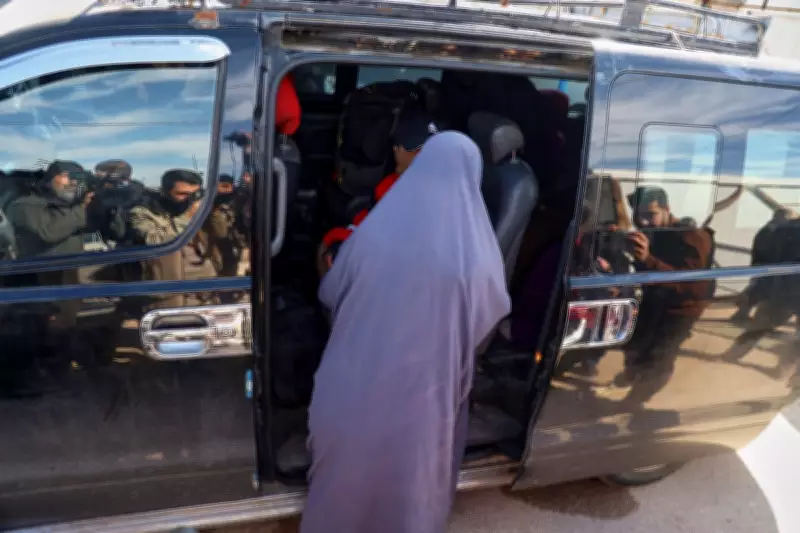
The affected Australian was part of a group that had planned to fly from Damascus to Australia on Monday. However, Syrian authorities turned them back to the Roj detention camp due to procedural complications. Syria has detained numerous wives of former Islamic State fighters and their children from various countries in camps since the militant group lost control of its territory in 2019.
This incident highlights the complex challenges surrounding the repatriation of individuals from conflict zones. Australian governments have previously repatriated women and children from Syrian detention camps on two separate occasions, while other Australians have managed to return without governmental assistance.
Prime Minister's Firm Stance on Repatriation
Prime Minister Anthony Albanese reiterated his government's position on Wednesday, confirming that no assistance would be provided to repatriate this latest group. His statement followed an announcement made just one day earlier, emphasising a consistent approach to this sensitive issue.
"These are people who chose to go overseas to align themselves with an ideology which is the caliphate, which is a brutal, reactionary ideology and that seeks to undermine and destroy our way of life," Albanese told reporters during a press briefing.
The Prime Minister acknowledged the unfortunate situation facing children caught in these circumstances, noting that "it's not their decision, but it's the decision of their parents or their mother." Despite this recognition, he maintained that the government would not intervene to facilitate their return.
Security and Legal Implications
This case raises important questions about national security, citizenship rights, and international obligations. The use of temporary exclusion orders represents a significant tool in Australia's counter-terrorism strategy, allowing authorities to manage potential threats while navigating complex legal and humanitarian considerations.
The situation continues to evolve as Australian officials monitor developments in Syria and assess the ongoing risks associated with individuals returning from conflict zones. The government's approach reflects a careful balance between security concerns and the welfare of Australian citizens, particularly innocent children affected by their parents' decisions.