The mistaken release of a second foreign prisoner has forced ministers to re-evaluate security and release procedures, exposing breakdowns in communication, staffing and security that have pushed England’s prisons to breaking point. Concerns centre on poor technology and weak coordination between prisons, the Ministry of Justice and the courts, which together oversee the movement of 87,000 inmates.
During the government’s emergency prison release scheme in September 2024 to tackle overcrowding, 37 inmates were freed in error after their offences were wrongly logged under repealed legislation. A computer system designed to automate release date calculations has failed to function as planned, forcing staff to rely on manual calculations. In the 12 months to March, 262 prisoners were released in error, a 128% increase from 115 the previous year, with 233 occurring in prisons and 29 in courts.
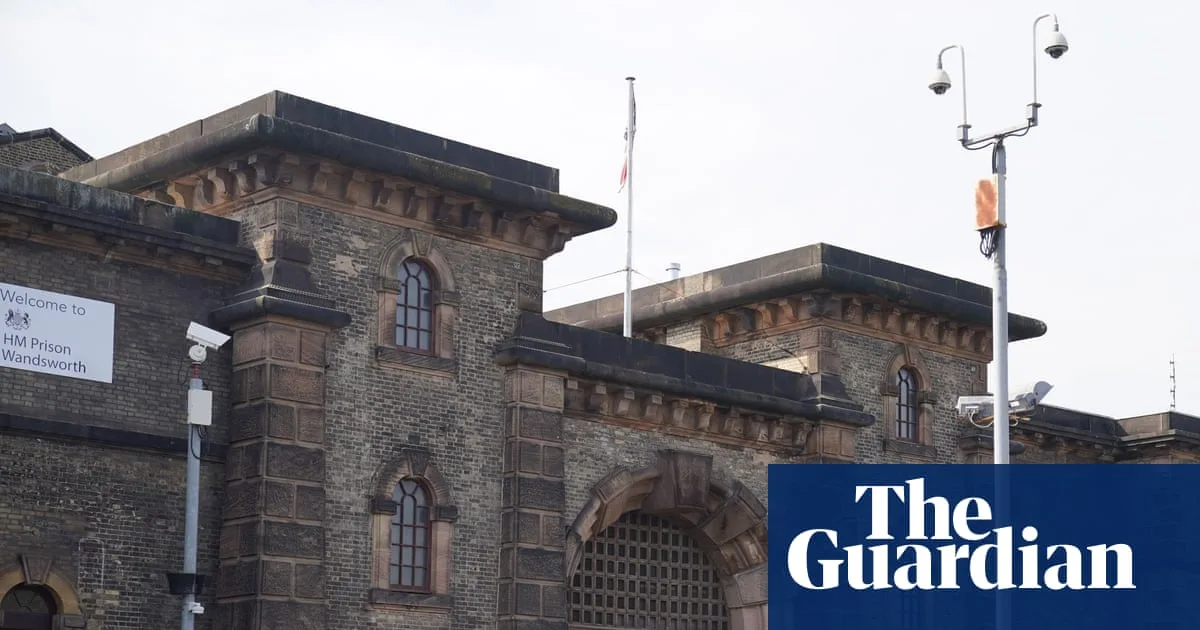
These mistakes largely passed unnoticed until the case of Hadush Kebatu, a former asylum seeker whose sexual offences triggered violent unrest in Essex this summer. He was accidentally released from HMP Chelmsford and reportedly returned to the prison in a confused state several times before being directed away. The chaos at HMP Wandsworth was laid bare in September 2023 when Daniel Khalife, later convicted of spying for Iran, escaped by clinging to a food delivery truck. The prison was placed in special measures and inspectors later warned that guards did not always know where prisoners were, citing a “sustained decline permitted to happen in plain view of leaders”.
Justice Secretary David Lammy introduced a five-page set of release checks just over a week ago, requiring more senior staff to sign off releases and making a duty governor personally responsible for inspections. He will now want to know why these new procedures failed to stop the latest errors, amid rising complaints that warrants are being lost as prisoners are moved between jails and increasing numbers being held on remand.