Hawaii Lawmakers Set to Overhaul Criminal Code with Sweeping Reforms
Hawaii legislators are advancing significant revisions to the state's criminal justice system, poised to impact thousands of residents annually. The proposed changes, which include shortening probation terms and reducing penalties for minor drug possession, represent a major shift towards a more rehabilitative and research-based approach.
Addressing Lengthy Probation Terms
Hawaii currently holds the dubious distinction of having the longest average probation terms in the United States, more than double the national average. State and national research indicates that lengthy probation periods often lead to incarceration for minor violations rather than new criminal offenses, creating unnecessary burdens on both individuals and the system.
Data reveals that about 45% of felony probationers in Hawaii between 2015 and 2016 committed no violations during supervision. Furthermore, most reoffending occurs within the first year, with violations dropping dramatically by the third year. Extended probation terms consume valuable resources and can hinder rehabilitation by making it difficult for individuals to maintain employment and housing due to restrictive requirements.

"The longer I'm being supervised, the more likely it is you're going to catch me up in doing something that's a violation of the terms of my supervision," explained David Muhammad, executive director of the National Institute for Criminal Justice Reform. "It might be minor, but because that means I'm subject to reincarceration, the harms are significant."
Proposed Changes to Probation
The Advisory Committee on Penal Code Review has recommended reducing probation for certain low-level, non-violent felonies from four to three years. This change would not apply to more serious offenses such as assault, kidnapping, or arson. Even with this reduction, Hawaii's terms would remain longer than many other states for similar crimes.
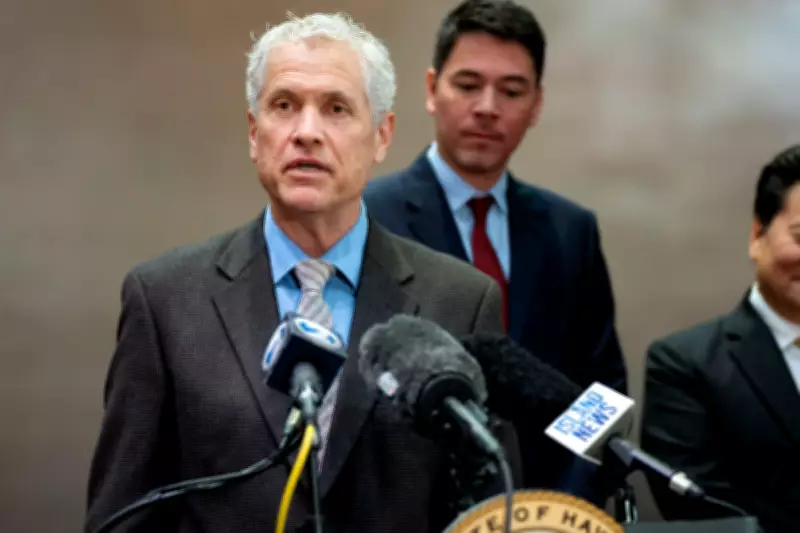
Some opposition exists, particularly from the Attorney General's office and victim advocates concerned about offenses like witness intimidation and animal cruelty receiving shorter supervision. However, committee approval has given momentum to the recommendations, with House Judiciary Committee Chair Rep. David Tarnas expressing optimism about passage.
Shifting Drug Policy from Punishment to Public Health
Another key reform would reclassify possession of trace amounts of drugs from a felony to a misdemeanor, aligning Hawaii with national trends recognizing drug addiction as a public health issue. Under the proposed law, courts would mandate substance abuse assessments and could require treatment, with incarceration only applying after three offenses and limited to six months instead of the current five-year maximum.
"We are starting to reevaluate some practices that have been in place for an incredibly long time," said Hayley Cheng, first deputy with the Office of the Public Defender. "These changes are an opportunity to better address some of the concerns and maybe outdated practices that we were operating under."
Impact on Individuals and the System
The current felony classification for minor drug possession creates significant consequences:
- Defendants face higher pre-trial detention rates
- Felony convictions create lifelong barriers to employment and housing
- Cases clog Circuit Courts with more complex litigation
- Taxpayers bear higher incarceration costs
"It really is a stain on your lifetime criminal record that has consequences that last a lifetime, and that's incredibly different from a misdemeanor," Cheng emphasized.
A Broader Paradigm Shift
While the proposed changes don't expand treatment options—a chronic issue in Hawaii's approach to addiction—they signal a move toward evidence-based practices. The reforms emerge from a decennial review process involving prosecutors, law enforcement, defense attorneys, and victim advocates.
"I think we're heading in the right direction so that we are working to create a criminal justice system that is fair and restorative, not just punitive," Tarnas stated. "These are major paradigm shifts. And they don't come easy."

The legislation, embodied in Senate Bill 2721 and its House counterpart, represents what advocates describe as being "smart on crime"—focusing resources on high-risk individuals while reducing unnecessary supervision that often proves counterproductive. As Hawaii joins other states in rethinking drug policy and probation practices, these reforms could establish a more effective and humane justice system for the island state.