Twin Attacks in Virginia and Michigan Leave Communities in Shock
Communities across the United States were left reeling and authorities launched intensive investigations after two separate violent attacks unfolded less than two hours apart at a Virginia university and a Michigan synagogue. Officials have stated that both incidents could have resulted in far greater bloodshed were it not for the swift intervention of residents and security personnel.
Old Dominion University Shooting: A Former Soldier's Attack
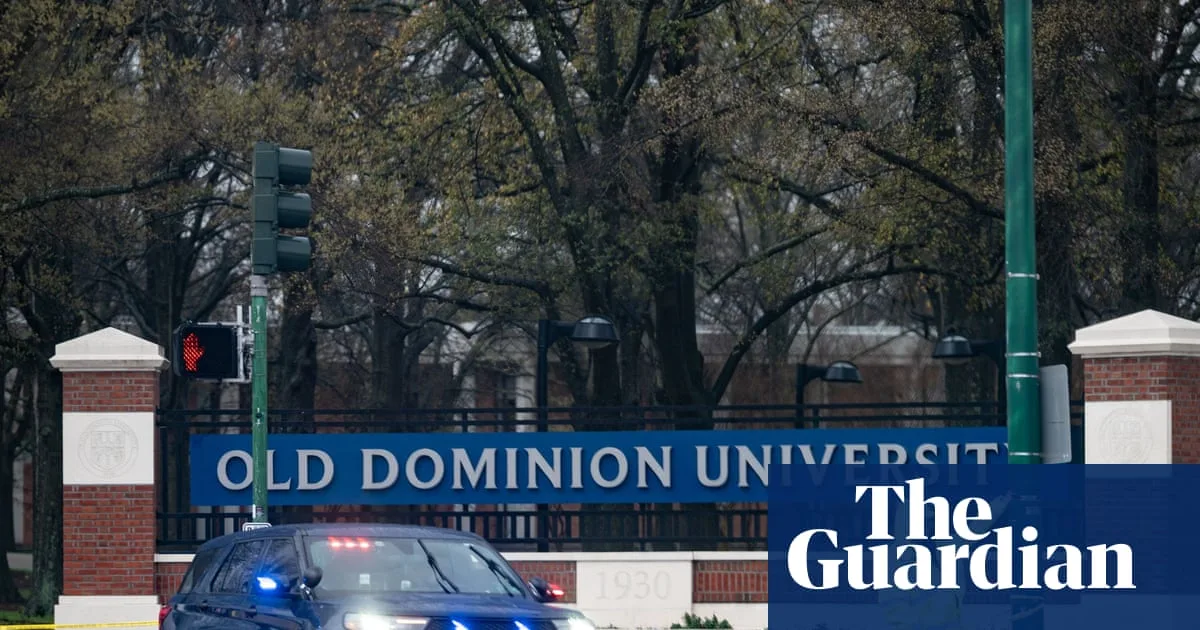
In Virginia, a former Army National Guard member, who had previously served a prison sentence for attempting to aid the Islamic State terrorist organization, opened fire on a classroom at Old Dominion University on Thursday. The assailant, identified as Mohamed Bailor Jalloh, killed one person and wounded two others before being subdued and killed by ROTC students present at the scene.
According to authorities and court documents, Jalloh entered the classroom yelling "Allahu akbar" and inquired if an ROTC event was taking place before he began shooting. The fatality was confirmed as Lieutenant Colonel Brandon Shah, an ROTC leader. FBI officials have publicly praised the bravery of the students, whose actions prevented further casualties. One of the wounded individuals has been released from hospital care, while Sentara Health reported the other victim remains in fair condition.
FBI Director Kash Patel announced on social media that the campus shooting is being investigated as an act of terrorism. ROTC students, who receive scholarships to attend college while training to become commissioned officers in the U.S. military, were instrumental in ending the threat.
Profile of the Virginia Attacker
Mohamed Bailor Jalloh was a naturalized U.S. citizen originally from Sierra Leone. He served as a specialist with the Virginia Army National Guard until receiving an honorable discharge in 2015. In 2017, he pleaded guilty to providing material support to the Islamic State group and was sentenced to 11 years in prison.
Jalloh was released early after completing a drug treatment program, a detail confirmed by a person familiar with the matter to The Associated Press. This early release raised questions, as inmates serving sentences for terrorism-related offenses are typically not eligible for such programs or other sentence-reducing credits. Court records indicate he was transferred from a prison facility to a residential reentry center, or halfway house, in August 2024, and was released from federal custody later that year. At the time of the shooting, Jalloh was on probation and taking online classes at Old Dominion University.
Michigan Synagogue Assault: A Grieving Man's Violent Act
In Michigan, a 41-year-old man, who had recently learned that four of his family members were killed in an Israeli airstrike in Lebanon, rammed his vehicle into Temple Israel, one of the nation's largest Reform synagogues. The attacker, identified as Ayman Mohammad Ghazali, had waited in his car outside the building for approximately two hours armed with a rifle, commercial-grade fireworks, and jugs of liquid believed to be gasoline.
After crashing into the synagogue, which was occupied by 140 children and staff at the time, Ghazali began firing his gun through the windshield. He exchanged gunfire with an armed security guard before fatally shooting himself after becoming trapped in his vehicle as the engine caught fire. None of the children or staff inside were injured, although a security officer was struck by the vehicle and knocked unconscious.
Investigation into the Synagogue Attack
The FBI, which is leading the investigation, described the assault as an act of violence targeting the Jewish community. However, officials stated they do not yet have sufficient evidence to classify it definitively as an act of terrorism. Oakland County Sheriff Mike Bouchard credited thorough preparation and training for the rapid response that prevented greater harm.
Background of the Michigan Attacker
Ayman Mohammad Ghazali was a Lebanese-born man who had recently discovered that an Israeli airstrike in his native country had killed his two brothers, a niece, and a nephew. According to an official in the town of Mashgharah who spoke anonymously to The Associated Press, the family members were killed at their home just after sunset while breaking their fast during the Muslim holy month of Ramadan. Their mother was seriously wounded and remains hospitalized.
Ghazali came to the United States in 2011 on an immediate relative visa as the spouse of a U.S. citizen and was granted U.S. citizenship in 2016, according to Department of Homeland Security records. He resided in a single-story brick home in the Detroit suburb of Dearborn Heights, approximately 38 miles south of the synagogue he attacked.
The twin attacks have sparked nationwide concern and intensified discussions about security measures at educational and religious institutions, as well as the handling of individuals with terrorism-related convictions within the justice system.