Sweetgreen's Struggles Deepen as Salad Chain Plans More Restaurant Closures
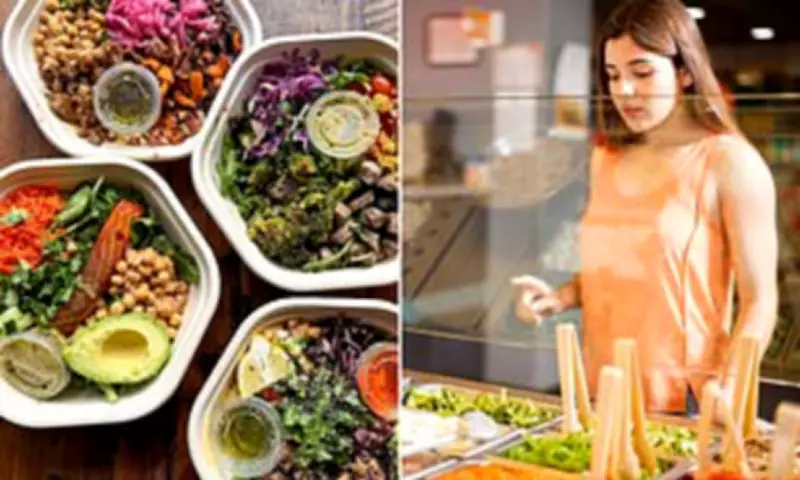
The build-your-own salad bowl, once a lunchtime sensation across America, is losing its lustre. The fast-casual chain that helped popularise this healthy trend is now confronting a harsh new reality. Sweetgreen is preparing to shutter more restaurants following disappointing sales and escalating losses, even as rivals such as Cava and Chipotle continue to expand and report robust results.
Financial Pressures Mount
The once high-flying, health-focused brand has confirmed it will close 'a handful' of locations in 2026 as leases expire. Additionally, the company is reviewing further underperforming restaurants that could face closure. 'We are moving with urgency through the 'Sweet Growth Transformation Plan' to strengthen the core of the business,' stated Sweetgreen CEO Jonathan Neman.
Sweetgreen's latest financial results starkly illustrate the challenges. In the fourth quarter of 2025, revenue declined 3.5 percent year over year to $155.2 million, while same-store sales plummeted 11.5 percent, according to the company's earnings report. For the full year, the firm reported a net loss of $134.1 million, attributing this to weaker restaurant-level profitability, increased operating costs, and expenses from opening 15 new outlets.

The pressure is expected to persist. Sweetgreen forecasts same-store sales will drop between 2 percent and 4 percent in 2026, indicating ongoing soft demand. Chief financial officer Jamie McConnell informed investors that the company is adopting a more cautious expansion strategy while assessing underperforming sites.
From Rapid Growth to Stalled Momentum
Founded in 2007, Sweetgreen expanded swiftly by marketing healthy bowls and salads to urban office workers. The chain went public in 2021 amid a fast-casual restaurant stock boom, with leadership ambitiously targeting 1,000 locations by 2030. However, by late 2025, slowing foot traffic, rising costs, and more price-conscious consumers began to derail this momentum.
The company has already closed several locations, including a longstanding restaurant in Arlington, Virginia's Crystal City neighbourhood. More closures are likely as leases come up for renewal.
Wall Street's Divided Verdict
Investor sentiment is mixed regarding Sweetgreen's turnaround prospects. Shares have fallen nearly 15 percent this year and are down approximately 89 percent over the past five years, reflecting deep concerns. Analysts at Barron's maintain a sell rating, cautioning that the chain's fundamentals remain weak. 'The company's fundamentals look very poor, making an investment in its shares purely speculative,' they noted.
Conversely, some believe the brand could recover if management's strategy succeeds. 'Sweetgreen hasn't exactly panned out the way that investors had hoped,' remarked financial analyst Neil Patel, observing the stock trades near its lowest levels since its IPO. Fortune retail analyst Phil Wahba suggests the company may also be grappling with broader food trend shifts. 'Every food trend eventually runs its course,' Wahba said, noting that customisable salad and grain bowls—once office lunch staples—are now sometimes derided as 'slop bowls.'
Competitors Forge Ahead
While Sweetgreen flounders, competitors are gaining strength. Mediterranean chain Cava recently reported fourth-quarter revenue of $272.8 million, a surge of over 21 percent year over year, exceeding Wall Street expectations and bolstering investor confidence. Cava anticipates same-store sales growth of 3 percent to 5 percent in 2026 and plans aggressive expansion, with dozens of new restaurants slated to open.
Meanwhile, Chipotle continues to grow overall revenue through new store openings and higher menu prices, despite softened traffic in some locations. Industry analysts highlight these diverging fortunes, underscoring the fast-casual market's growing difficulty as consumers become more spending-cautious.

A Challenging Reset
With inflation and elevated menu prices reshaping dining habits, chains that balance value, innovation, and expansion seem better positioned. Others, like Sweetgreen, are compelled to reset. Currently, Sweetgreen is banking on its turnaround plan—featuring new menu items, enhanced digital engagement, and stricter cost controls—to revive growth. Yet, after years of rapid expansion and investor hype, the salad chain now confronts a formidable challenge: winning back diners in an increasingly competitive landscape.