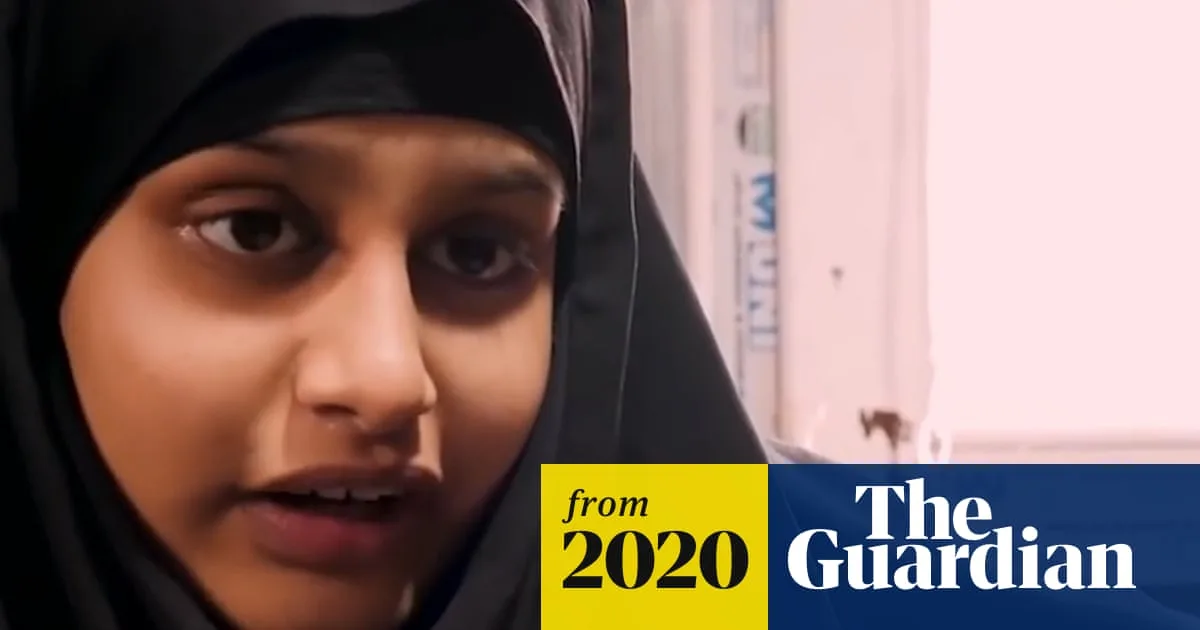
The case of Shamima Begum, now 20, who fled to Syria as a teenager to join Islamic State, has reignited debate over how the UK should handle former child recruits. Opponents argue she poses a security threat, while supporters cite human rights principles and the need for justice.
Born in England to Bangladeshi-heritage parents, Begum left east London at 15 with two friends, flying to Istanbul and crossing into Syria. She married Dutch-born Yago Riedijk, a convicted terrorist, and lived in Raqqa until its fall in 2017.
After years of silence, Begum was found in al-Hawl camp in 2019, pregnant with her third child. She expressed no regret for joining IS but wished to return to the UK. Her first two children died of malnutrition; her third, Jarrah, later died in al-Roj camp.
The Home Office revoked her citizenship, citing her Bangladeshi heritage as grounds for dual nationality. Begum's legal team challenged this, arguing she was rendered stateless and unable to mount a fair appeal from Syria.
In July 2020, the Court of Appeal ruled she could return to the UK to challenge the decision, partially overturning a lower tribunal. The government appealed, seeking to prevent her return pending further proceedings.