Ian Huntley's Life Support Withdrawn as Killer Nears Death
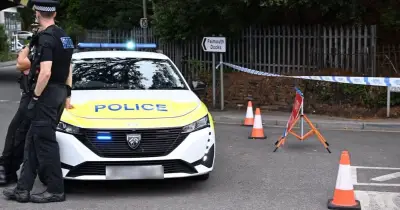
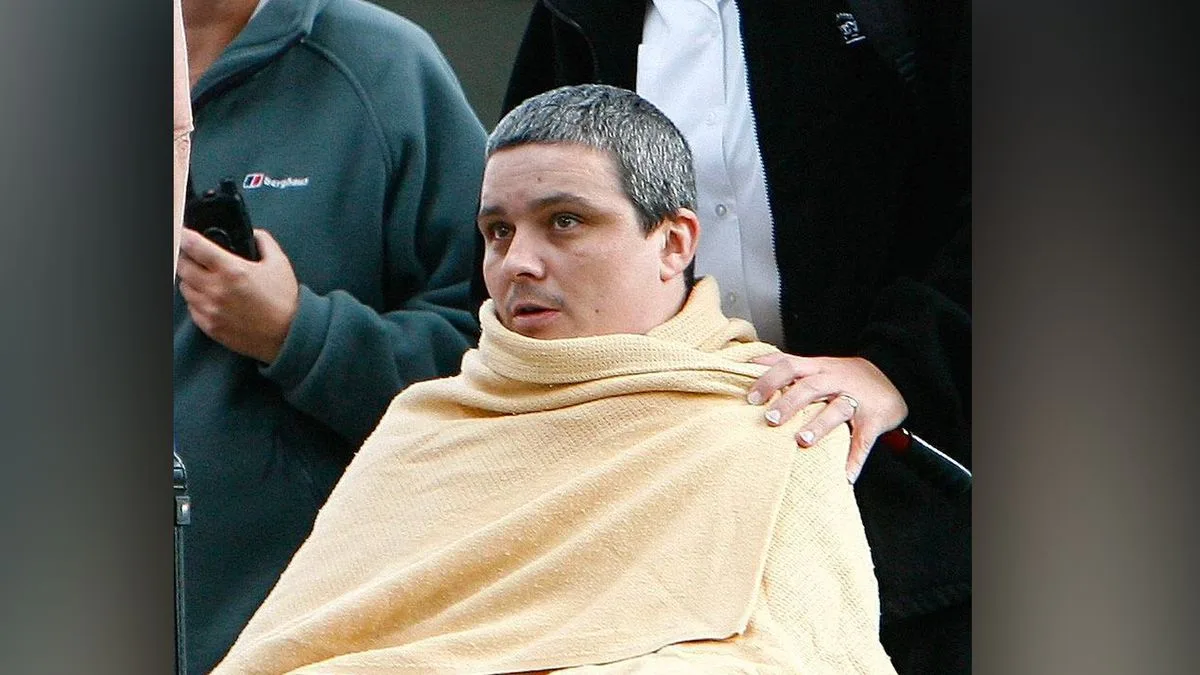
Notorious child murderer Ian Huntley has had his life support switched off and is reportedly just hours away from death, according to exclusive reports. The Soham killer was rushed to hospital last Thursday following a brutal prison attack at HMP Frankland where he was struck in the head with a metal pole.
Brutal Attack and Grim Prognosis
When prison officers discovered Huntley lying in a pool of blood, they initially assumed he was dead. Medical professionals performed what sources described as "working miracles" to stabilize him before emergency transport to hospital, where he was given only a 5% chance of survival.
On Friday night, following consultations with Huntley's mother Lynda Richards, medical teams withdrew the ventilator that had been keeping him alive. Brain tests reportedly confirmed he was in a vegetative state, leading to the decision to end life support around lunchtime that day.
A source close to the situation revealed: "This is it, this is the end of Huntley. He is effectively dead and, at best, is drawing his last breaths. No one who has dealt with him is shedding a tear. Even his mother has accepted that this is for the best."
Mother's Secret Visit and Emotional Response
Huntley's mother Lynda Richards reportedly drove 175 miles from her Lincolnshire home for a secret hospital visit after the attack. Sources claim she told friends "part of me hopes he passes away" after seeing his condition, adding that she "couldn't recognise her own son" following the brutal assault.
What Happens to Huntley's Estate Upon Death?
With Huntley's death imminent, questions arise about what will happen to any remaining assets, prison belongings, and financial matters. Legal experts provide insight into the complex process that follows a prisoner's death.
Legal Framework for Prisoner Estates
Paul Hewitt, a legal expert and partner in the trust, estate and inheritance disputes team at Withers, explains that managing financial affairs while incarcerated presents unique challenges. "Prisoners, like anybody else who is unable to directly manage their affairs, will have to entrust whatever they have to family members or advisors to look after," he states.
Hewitt emphasizes that "It can be very difficult where the person in prison is trying to deal with financial matters to access their adviser." The legal specialist notes that inheritance issues more commonly arise when prisoners are beneficiaries of estates or sole surviving executors rather than when they themselves pass away.
Potential Confiscation Orders and Asset Ownership
"It's possible there are outstanding criminal confiscation orders made in which the prosecutor could intervene to ensure that any unpaid penalties are paid out of the estate," Hewitt explains. "But assuming those are satisfied, there are no rules preventing a prisoner owning assets."
Regarding will creation while incarcerated, the same legal requirements apply as for those outside prison walls. "The same rules that apply to any will," Hewitt clarifies, including the necessity of two witnesses for proper execution.
Huntley's Property History and Demolition
Huntley became one of Britain's most infamous murderers after being convicted of killing ten-year-old best friends Jessica Chapman and Holly Wells at his Soham home on August 4, 2002. At the time, he worked as a school caretaker at Soham Village College, a position that came with a three-bedroom detached house at 5 College Close.
He shared this property with girlfriend Maxine Carr, who worked as a teaching assistant in the girls' class. Huntley had moved in with Carr less than a year before committing the murders.
Deliberate Destruction to Prevent Memorialization
Four months after Huntley's sentencing in December 2003, authorities demolished his former home using a 20-ton bulldozer. The deliberate destruction aimed to prevent the property from becoming a permanent reminder of the tragic deaths.
A Cambridgeshire County Council spokesman explained the decision: "When Fred West's house was knocked down they had people trying to grab bricks as souvenirs, so it will be crushed and disposed of." Builders were instructed to crush and remove every piece of rubble to prevent souvenir hunting.
Prison Belongings and Financial Assets Process
Personal Effects and Cash Handling
After more than 22 years in prison, Huntley has likely accumulated various personal belongings in his cell, though such items are strictly monitored in Category A facilities. When any prisoner dies, their possessions—including any cash—are collected by prison staff.
The coroner or police determine if items need retention as evidence, holding them until an inquest concludes. Otherwise, belongings are returned to next of kin. Hewitt explains: "If the prisoner has made a will their executor is responsible for collecting the effects and handing them on to whoever is entitled under the Will. Or they pass on intestacy—for example, to their spouse if married."
Unclaimed Property and Charity Distribution
Property unclaimed for three years (or one year for cash) may be sold or destroyed, with proceeds directed to designated charities such as the National Association for the Care and Resettlement of Offenders. Any funds remaining in a prison account typically transfer to the estate executor or directly to next of kin.
Hewitt notes additional complications: "If a prisoner dies whilst behind bars, the coroner is likely to be involved which tends to slow the process down." Outside assets like property or shares are handled through standard probate or estate administration procedures.
Post-Mortem Requirements and Investigation
In any death occurring in custody, authorities conduct a mandatory post-mortem examination. This standard procedure ensures proper investigation of circumstances surrounding the death, particularly following violent incidents like the attack Huntley sustained.
Historical Context and Case Details
Murder Conviction and Sentencing
Huntley received two life sentences with a minimum 40-year term in 2002 for the murders of Jessica Chapman and Holly Wells. His conviction followed a high-profile trial that captivated the nation and revealed disturbing details about his past, including previous allegations of sexual violence against young women and teenage girls.
Notorious Prison Environment
Since 2008, Huntley has been incarcerated at HMP Frankland in County Durham, a Category A facility nicknamed "Monster Mansion" for housing some of Britain's most dangerous criminals. Fellow inmates include Anthony Russell, the triple killer allegedly responsible for last week's attack on Huntley.
Canine Alibi and Aftermath
During the original investigation, Huntley used his dog Sadie—believed to be either a German Shepherd or Alsatian—as part of his alibi. He claimed to have been cleaning the muddy dog outside his home when the girls stopped to look at the animal before entering his house. After Huntley's arrest, authorities reportedly rehomed Sadie under a new name.