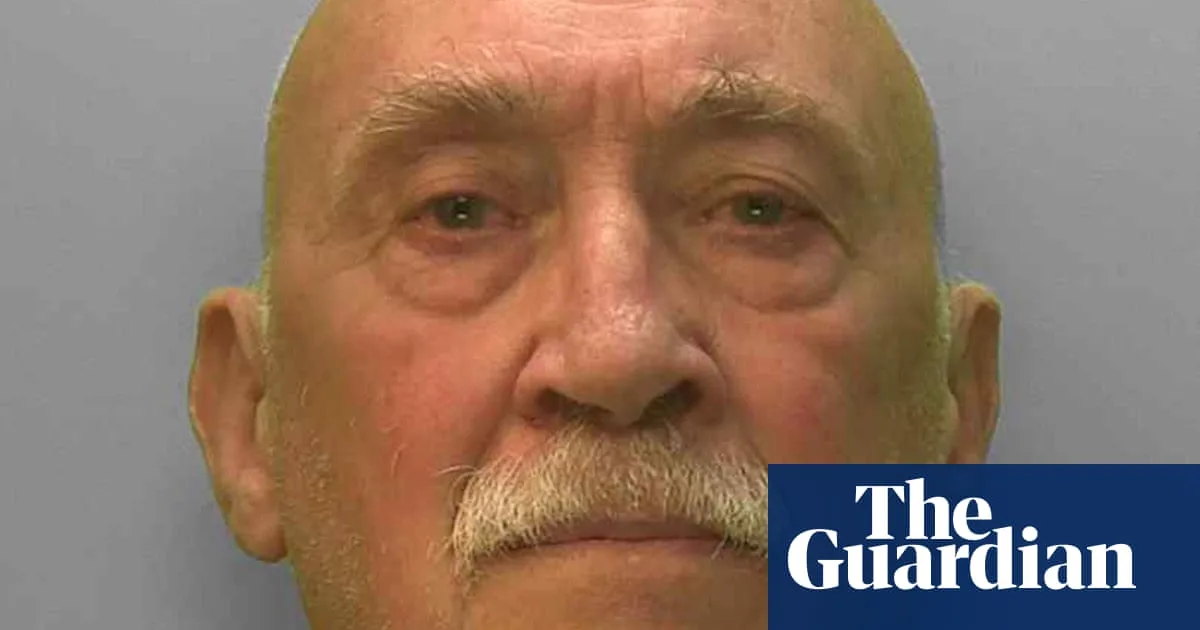
A therapist who claimed he could heal birth trauma through sexual touching and oral sex has been sentenced to 11 years in prison. Gerald Peck, who maintained online profiles promoting his work as a bodywork psychotherapist, was convicted of five sexual offences on 2 February after being charged in October 2024.
Handing down the sentence at Lewes Crown Court on Thursday, Judge Mooney described Peck as 'a charlatan and a fraud'. The judge noted that Peck had been banned from practising by the Bioenergetics Institute in the late 1980s for sexually abusing women under the guise of therapy. 'Since that date you've been nothing more than a charlatan and a fraud,' the judge said.
Peck was also ordered to pay £9,730 in damages to cover the victim's costs, including therapy she has sought to help her recover. The victim, who first reported to police in February 2021, described in a statement how Peck caused 'profound and lasting damage' to her mental and physical health. She said she still experiences terrifying flashbacks and lived with constant worry that other women were being harmed by him.

The victim sought help for depression and anxiety and was recommended Peck by a friend. He encouraged multiple sessions per week, some lasting hours, involving removal of clothing and claims that skin-to-skin contact 'helps soothe nervous systems'. The sessions progressed to nudity, digital penetration to 'heal birth trauma', and oral sex, with attempts to persuade her to have sex as a 'form of energy release'.
The case was initially dropped in 2021 after the Crown Prosecution Service said there was insufficient evidence. It was reopened in September 2021 after intervention by the Centre for Women's Justice, but delays continued. The victim submitted a formal police complaint in January 2024, and the Centre for Women's Justice later warned of human rights breaches. She said she pursued the case to stop Peck from abusing other women and to strengthen calls for a law banning therapists from having sex with clients.
Unregulated therapists abusing clients and continuing to practise is a growing problem, with mounting calls for formal oversight of the profession. The victim noted that Peck had been previously disbarred but it was 'very easy for him to lie about that'. She criticised the initial police response, saying there was no recognition of the power imbalance inherent in a therapy relationship.