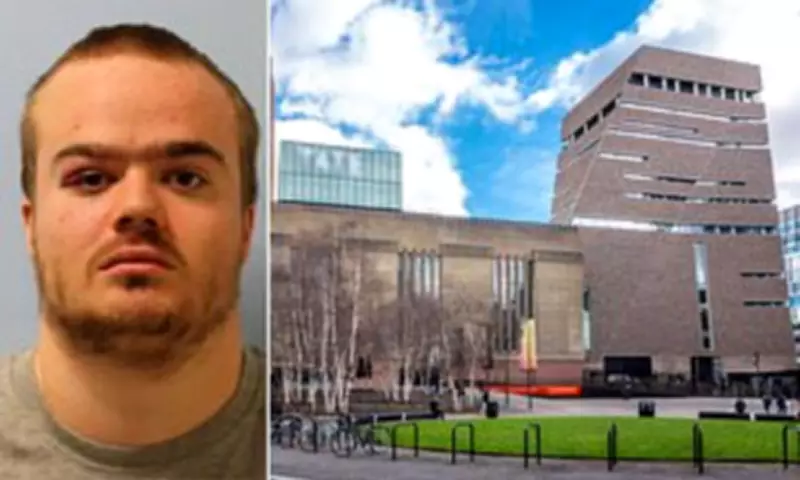
The family of a young French boy who suffered life-altering injuries after being thrown from the tenth-floor roof of the Tate Modern in London have disclosed that his recovery has taken a distressing turn. In a heartfelt statement posted this week on the GoFundMe page established to support his rehabilitation, they described the current phase as a "sad step backward," coming just months after he underwent surgery in January.
A Tragic Incident and Its Aftermath
In 2019, the autistic child, who was only six years old at the time, was hurled from the iconic South London art gallery by Jonty Bravery, a teenager with a personality disorder. Bravery, now 23, pleaded guilty to manslaughter and received a life sentence with a minimum term of 15 years in 2020. He is currently detained at Broadmoor, a high-security psychiatric hospital in Berkshire.
The boy miraculously survived the fall but sustained severe injuries, including bleeding on the brain and multiple broken bones. His recovery has been a long and arduous journey, marked by small victories and significant challenges.

Recent Setbacks in Rehabilitation
Late last year, the family shared encouraging news, reporting that their son had relearned how to run, jump, and swim. However, the latest update paints a more somber picture. The statement, translated from French, explains that the rehabilitation process following his January surgery has proven "longer and more difficult than expected."
The boy remains hospitalized in a rehabilitation center, unable to walk, and has only been granted weekend leave for the past three weeks, confined to a wheelchair. This limitation has caused him considerable frustration, as he eagerly desires to walk again and resume a semblance of normal life.
"He is eager to be able to walk again and resume a normal life outside the rehabilitation center, even if this normal life means spending half his time in treatment and only the other half at school," the family wrote.
Glimmers of Hope Amidst Hardship
Despite the setbacks, there are positive developments. The family recently moved to accommodate his needs and found a school perfectly suited to him, with a schedule that considers his fatigue levels while allowing full class attendance and treatment sessions. Before his surgery, the boy briefly attended this new school, where he quickly made friends who have maintained contact during his extended absence.
"They encourage him and eagerly await his return. It's a warm welcome he hasn't received at school in a long time," the statement added. The family expressed hope for better news soon, though they remain uncertain about the duration of his hospitalization, describing their son as a "little knight" who continues to fight courageously.
The Perpetrator's Ongoing Incarceration
Jonty Bravery's case continues to draw attention due to his violent history and mental health issues. At his trial, it was revealed that he went to the Tate Modern intending to kill someone at random, targeting the French boy to prove a point about his mental health and gain media attention. He is currently serving his life sentence at Broadmoor, where he requires constant supervision by three staff members due to his mental health needs.
In January of this year, Bravery received an additional 16-week jail term for assaulting two staff members at the hospital. A serious case review published in 2021 found that, despite a history of violent incidents—including assaults on police and support staff—he was not considered a risk to others at the time of the Tate attack. This assessment led to him being allowed unsupervised visits to central London, culminating in the tragic event.
Community Support and Fundraising
The GoFundMe campaign dedicated to the boy's recovery has raised over £500,000, demonstrating widespread public support. The family concluded their update by thanking donors for their ongoing encouragement during these difficult times, urging everyone to take care of themselves and their loved ones.
As the boy perseveres through his rehabilitation, his story remains a poignant reminder of resilience in the face of unimaginable trauma, while also raising questions about mental health care and public safety protocols.