Supreme Court Grants Postal Service Immunity from Lawsuits Over Intentional Mail Failures
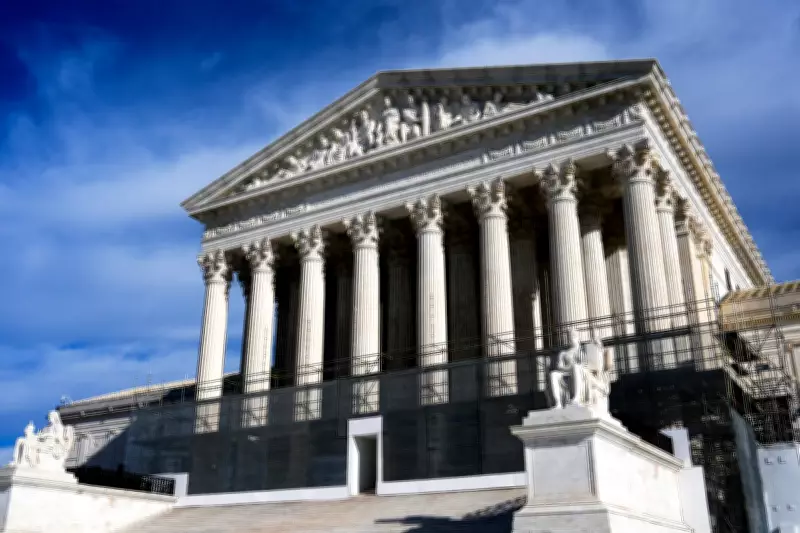
A deeply divided Supreme Court has delivered a landmark ruling that significantly expands legal protections for the United States Postal Service. In a 5-4 decision, the justices determined that Americans cannot sue the Postal Service even when employees deliberately and intentionally refuse to deliver mail. This controversial ruling represents a substantial expansion of the federal immunity traditionally granted to the postal service.
Landmark Case Centers on Alleged Racial Discrimination
The case originated from Texas landlord Lebene Konan, who alleged that her mail was intentionally withheld for two full years. Konan, who is Black and works as both a real estate agent and insurance agent, claimed that racial prejudice played a significant role in postal employees' actions at a post office in Euless, Texas, within the Dallas-Fort Worth metropolitan area.
According to detailed court documents, the dispute began when Konan discovered that the mailbox key for one of her rental properties had been changed without her knowledge, effectively preventing her from collecting and distributing tenants' mail. When she contacted the local post office, she was informed she wouldn't receive a new key or regular delivery until she provided proof of property ownership. Despite complying with this requirement, the mail problems persisted, continuing even after the USPS inspector general had specifically instructed that the mail be delivered.

Conservative Majority Interprets Immunity Broadly
Justice Clarence Thomas, writing for the majority of five conservative justices, provided a sweeping interpretation of federal law. He stated that the statutory protection that generally shields the Postal Service from lawsuits concerning missing, lost, and undelivered mail explicitly includes "the intentional nondelivery of mail." This interpretation effectively closes a potential legal avenue for citizens who believe they have been deliberately harmed by postal service actions.
The Trump administration's Republican officials had previously warned that a ruling in favor of Konan would likely trigger a flood of similar lawsuits against the financially strained Postal Service. This argument appears to have influenced the court's conservative majority in their decision-making process.
Liberal Justices Voice Strong Dissent
In a powerful dissent, Justice Sonia Sotomayor argued that while the protection against lawsuits is indeed broad, it should not extend to situations where the decision not to deliver mail "was driven by malicious reasons." Justice Neil Gorsuch notably joined his three liberal colleagues in this dissent, creating an unusual ideological alignment on the court.
The dissenting justices expressed concern that the majority's interpretation creates a dangerous precedent, potentially allowing postal employees to engage in discriminatory or malicious behavior without legal consequences for the institution they represent.
Substantial Consequences for Affected Parties
Konan's lawsuit detailed significant personal and financial harm resulting from the alleged intentional mail withholding. She and her tenants reportedly failed to receive crucial correspondence including bills, medications, and car titles. Konan further claimed she suffered substantial rental income losses because some tenants chose to move out due to the ongoing mail delivery problems.
After filing dozens of complaints with postal officials over the two-year period, Konan finally initiated legal action under the 1946 Federal Tort Claims Act, which typically allows certain lawsuits against government entities. The case ultimately focused on the precise scope and reach of the special postal exemption within this established legal framework.
The Supreme Court's ruling now establishes that this exemption provides nearly absolute protection, even in cases where postal employees allegedly act with discriminatory intent or malicious purpose, fundamentally reshaping the legal landscape for citizens seeking redress against postal service failures.