Spycop Inquiry Exposes 'Don't Ask, Don't Tell' Policy on Deceptive Relationships
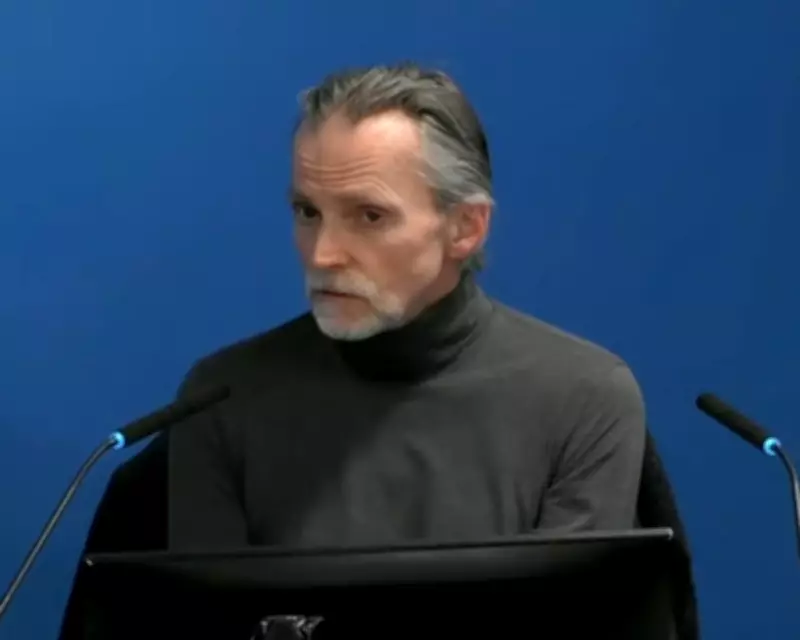
An undercover police officer who infiltrated activist groups has testified that his superiors turned a blind eye to him deceiving three women into sexual relationships, describing a "don't ask, don't tell" attitude within the Metropolitan police. Jim Boyling, who spied on environmental and animal rights campaigners for five years, made these revelations at the ongoing public inquiry into the spycops scandal.
Senior Management Ignored Long-Term Deceptions
Boyling told the inquiry that senior managers in the Special Demonstration Squad (SDS) were aware that undercover officers forming deceitful sexual relationships was "inevitable," but they avoided open discussions on the issue. He stated, "At no time, before or during my deployment, was I ever specifically told not to have sexual relationships whilst in my undercover identity." According to Boyling, approximately half of the SDS officers during his tenure engaged in such relationships without disclosing their true identities to activists.
He explained that managers left it up to individual officers to handle these situations, fostering an environment where deceptive practices went unchecked. Boyling admitted he did not consider whether the women would have consented if they knew he was a police spy, believing they would never discover his real identity, so "it was not an issue."

Impact on Victims and Inquiry Findings
The three women involved have described profound emotional devastation from Boyling's betrayal. Known as Monica, Ruth, and Rosa in the inquiry, they shared harrowing accounts:
- Monica, who had a six-month relationship with Boyling in 1997, said it "really knocked my confidence and made me feel ashamed, exposed and humiliated." She added, "I feel strongly that what has happened to me and others was very wrong. I was sexually violated."
- Ruth, in an 18-month relationship starting in November 1997, called his behaviour "repulsive," feeling "conned, betrayed, emotionally and sexually manipulated and very much used."
- Rosa, whose relationship lasted from late 1999 to August 2000, accused Boyling of trapping her in "an increasingly abusive and controlling relationship," isolating her from friends and associates. Boyling denies these allegations.
Sir John Mitting, the retired judge leading the inquiry, noted that the impact on these women has "become very clear in the course of the hearings I have been conducting." The inquiry is examining how about 139 undercover officers spied on leftwing campaigners between 1968 and at least 2010, with a focus on the ethical breaches in forming long-term deceptive relationships.
Covert Work and Official Praise
Despite the controversies, Boyling received formal letters of praise for his covert work from then Home Secretary Jack Straw and senior police officers, highlighting the institutional support for gathering intelligence on protesters. During his deployment from 1995 to 2000, Boyling served as treasurer of the Reclaim the Streets environmental group, organizing protests while simultaneously passing information to his police supervisors.
He recounted that fellow undercover officer Matt Rayner advised him that relationships with activists could help gain access to "the inner circle" of campaigners, breaking through "the glass ceiling of acceptance." This strategy underscores the calculated use of personal connections in covert operations.
The spycops inquiry continues to unravel the secrets and lies of decades of undercover policing, shedding light on systemic failures and the human cost of deceptive tactics.