Systemic Failures Behind Southport Atrocity Exposed
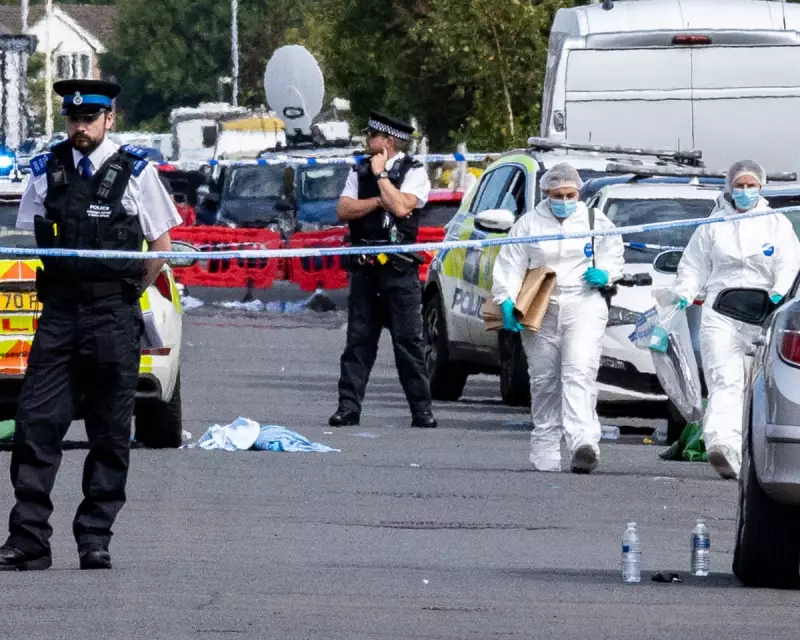
A devastating public inquiry has concluded that the Southport knife attack which claimed three young lives was a preventable tragedy resulting from systemic failures across multiple agencies. The investigation into the events of 29 July 2024 revealed how 17-year-old Axel Rudakubana was able to murder six-year-old Bebe King, nine-year-old Alice da Silva Aguiar and seven-year-old Elsie Dot Stancombe despite numerous warning signs.
Parental Knowledge and Inaction
Over two days of extraordinary testimony, the killer's father, Alphonse Rudakubana, admitted to the inquiry that he knew his son had accumulated an arsenal of weapons including knives, a bow and arrow, and a sledgehammer. The 50-year-old, who came to Britain as an asylum seeker after the Rwanda genocide, told how he became terrified of his own son as their relationship deteriorated into violent abuse.
Despite knowing by early 2024 that his son was planning an attack - and actually preventing him from taking a taxi to his former school while carrying a knife just seven days before the Southport atrocity - Alphonse failed to alert authorities. He confessed to the inquiry that this inaction had catastrophic consequences for which I am desperately sorry.
Technology Companies' Role in Enabling Violence
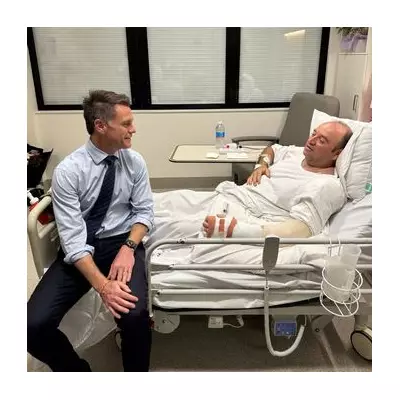
The inquiry uncovered disturbing details about how technology platforms facilitated Rudakubana's deadly preparations. Just six minutes before leaving home for his lethal attack, he searched X (formerly Twitter) for footage of the Bishop Mar Mari Emmanuel stabbing in Sydney. Deanna Romina Khananisho, X's head of global government affairs, defended the platform's decision not to remove such content, calling removal tyrannical overreach.
Amazon came under particular scrutiny after it emerged Rudakubana purchased the 20cm knife used in the attack for £8.39 through the platform just two weeks earlier. Company executive John Boumphrey admitted their age verification system had been too easy to bypass and that while Amazon could analyse suspicious purchases, it typically wouldn't report them to authorities.
Systemic Breakdowns Across Multiple Agencies
Inquiry chair Adrian Fulford described the case as one of wholesale failure by multiple institutions. Perhaps most alarming was the revelation that during five years of mental health treatment, Rudakubana was never assessed by a forensic psychiatrist who could have properly evaluated his risk level.
The failures began early. In 2019, aged just 13, police officer PC Alex McNamee assessed the teenager after he admitted taking a knife to school, warning of potential for huge escalation and high risk. Yet by July 2024, six days before his murderous rampage, mental health services discharged him with a report concluding: Poses risk to others - None.
Critical delays in autism diagnosis meant Rudakubana couldn't receive a forensic risk assessment, while the anti-radicalisation programme Prevent closed three referrals about him despite guidelines suggesting further action was required. Information sharing between agencies was consistently poor, with frontline police officers unable to see Prevent referrals that might have changed their response when they encountered him with weapons.
The inquiry continues to examine potential legal reforms, including whether the state needs new powers to restrict individuals when there's strong evidence they intend to attack others but insufficient grounds for arrest. Prime Minister Keir Starmer has promised that nothing is off the table to prevent future tragedies.