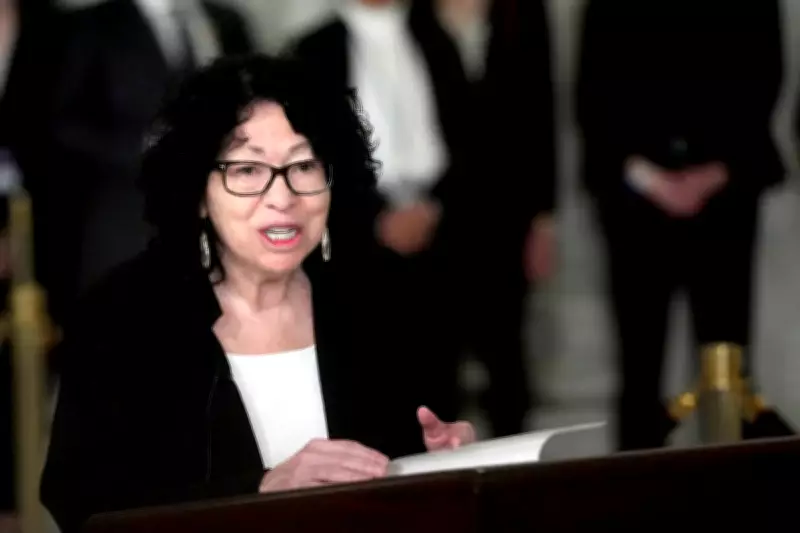
Sonia Sotomayor Apologises to Brett Kavanaugh After Supreme Court Row
In a highly unusual move, Supreme Court Justice Sonia Sotomayor has issued a rare public apology to her colleague, Justice Brett Kavanaugh, for comments she made about him during a recent event. The apology follows Sotomayor's criticism of Kavanaugh's concurring opinion in a significant immigration case, where she suggested his privileged background made him out of touch with real-world impacts.
Details of the Controversial Comments
Sotomayor's remarks were delivered at a University of Kansas Law School gathering, where she took aim at Kavanaugh's stance in a September ruling. This case permitted immigration agents to detain migrants based on appearance and language, with Kavanaugh arguing such stops were 'typically brief' and those cleared would 'promptly go free'. Sotomayor accused him of being disconnected from the practical consequences due to his upbringing, sparking immediate backlash within legal circles.
Breaking Court Traditions
Both the initial criticism and the subsequent apology are exceptional for Supreme Court justices, who traditionally uphold a code of privacy and collegiality to maintain the institution's integrity. Public disputes between justices are rare, making this incident a notable departure from normal protocol. The apology underscores the sensitivity of the issue and the potential damage to court unity.

Implications for the Supreme Court
This event highlights ongoing tensions within the Supreme Court over contentious issues like immigration, and raises questions about how justices navigate personal and professional boundaries. Sotomayor's apology may aim to mend fences, but it also draws attention to the deep ideological divides that can surface in high-stakes rulings. Observers note that such public spats could influence public perception of the court's impartiality and cohesion.
As the Supreme Court continues to handle polarising cases, this apology serves as a reminder of the delicate balance between judicial independence and interpersonal respect among its members.