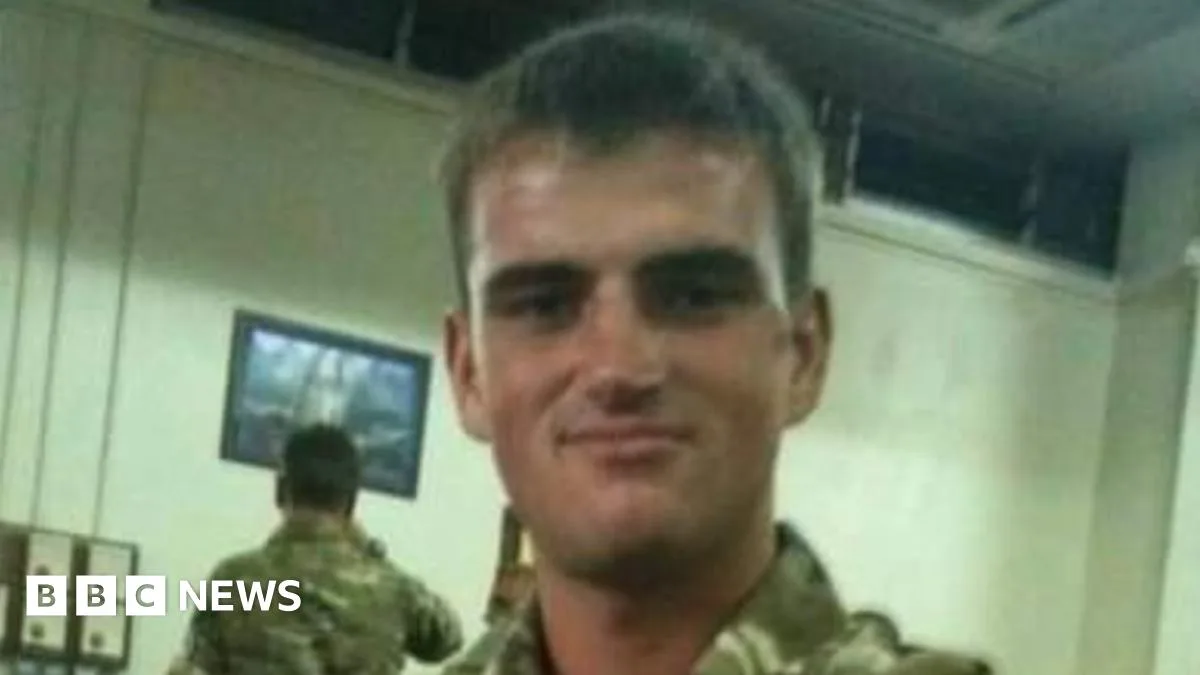
Tragic Death of British Soldier After On-Off Relationship and Mental Health Crisis
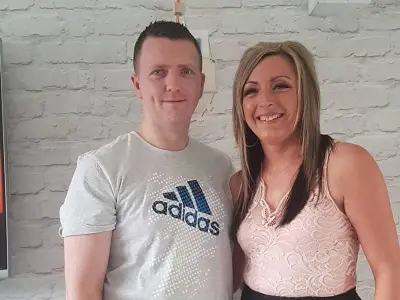
A heartbroken British army soldier, distraught following a breakup with his girlfriend, drove into a tree at speeds up to 80mph while telling her on the phone: 'You won't hear from me again.' Joshua Parsons, a 26-year-old signaller, suffered catastrophic injuries in the late-night crash as he spoke to his partner, Georgia Clements, on June 9, 2024.
Chaotic Relationship and Final Moments
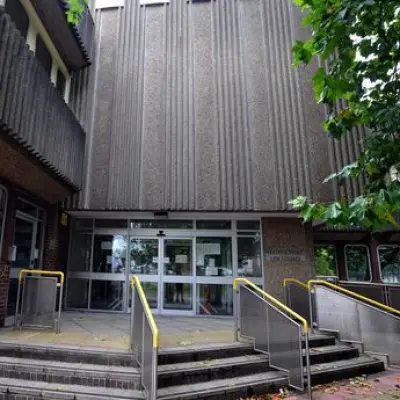
Ms Clements, who was on a night out in a noisy bar, received a voicemail from Joshua stating: 'I have nothing left. I'm sorry.' She called him back and realised he was driving. During their final conversation, he asked if they would ever reunite, to which she replied she couldn't continue. He then declared, 'You won't hear from me again,' before she heard a loud thud, indicating the crash. The inquest at South London Coroner's Court heard the pair had an 'on-off relationship' with 'chaotic and inconsistent' communication prior to his death.
Background and Mental Health Struggles
Joshua Parsons was a keen rugby player and a member of 220 Signal Squadron based in Colerne, Wiltshire. He was due to be deployed to Poland two months before his death, but this was cancelled due to an incident on leave at his home in West Wickham, south London, in February 2024. His mother, Sally Parsons, recounted that on February 24, Joshua and Miss Clements returned home after drinking heavily, leading to an argument where Miss Clements ran upstairs in panic, claiming Joshua had tried to stab himself. He was restrained by his father and brother.
Ministry of Defence GP Dr Laura Vincent saw him on February 26, where he expressed thoughts of being better off dead and requested to be taken off duties. He described the February incident as 'spur of the moment' while under the influence of alcohol and denied any relationship issues. Dr Vincent noted she was concerned but saw no immediate risk of further suicide attempts, relying on her instinct as patients often don't fully disclose their experiences.
Army Response and Support Measures
The Army responded robustly to his mental health problems, downgrading him as unavailable for deployment. Dr Vincent immediately contacted his chain of command, leading to a Vulnerability Risk Management meeting that afternoon. The Army-run Department of Community Mental Health was contacted, with an appointment scheduled for the next day. He was placed on a Care Action Plan for extra support and started an anxiety management course to address triggers. However, he specifically asked that his family not be informed, leaving them unaware of his condition.
In the following months, he was reviewed weekly and showed significant improvement. Lieutenant Colonel Nicholas Galvin mentioned a 'tension around ambivalence to being in the Army,' with discussions about discharge on grounds of being temperamentally unsuitable. Major Steven McNeillie, his sub-unit commander, noted that Joshua didn't want others to know about his suicidal thoughts, as he couldn't carry a weapon and feared judgment.
Final Days and Crash Investigation
In the weeks before his death, Joshua frequently returned home on weekends, often staying in his room. On the night he died, he visited a local pub to see his family before claiming he was going to a friend's house. He returned home late, and his mother messaged Miss Clements—who had ended the relationship the previous week—asking her not to contact him as he was due for a parachute course in the US. Hearing Joshua leave, she assumed he went for a walk, but he had decided to drive.
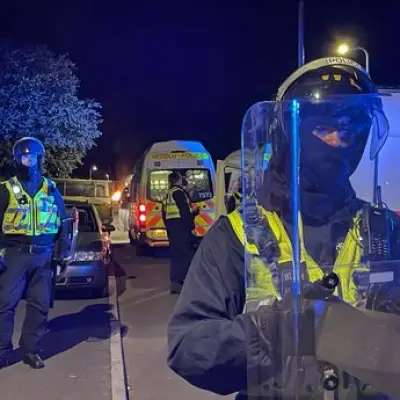
Met Police crash expert PC Peter Devoy investigated the scene in South Eden Park Road, Beckenham, finding no faults with the road or car. There was a 'continued deviation' towards a tree, with the speedometer stuck at 80mph, indicating a possible crash speed of 60-80mph. PC Devoy stated that all evidence was consistent with a deliberate act. Members of the public and off-duty police officers discovered the scene around 12:40 am, where Joshua was unconscious and trapped. London Fire Brigade freed him in four minutes, but air ambulance crew attempts to revive him failed as he had been in cardiac arrest for 20 minutes.
Post-Mortem Findings and Coroner's Conclusion
Consultant histo-pathologist Dr Anna Rycroft determined the cause of death as multiple severe injuries. His blood alcohol level was 132mg per 100ml, nearly twice the legal drink-drive limit. Assistant coroner Paul Renteurs recorded a narrative conclusion, describing it as 'incredibly sad' that someone drawn to service died so young. He noted that Joshua drove into a tree intending to end his life, an impetuous act, and likely lost consciousness immediately without experiencing pain.
Family Legacy and Mental Health Advocacy
Since his death, Joshua's family has raised money for various mental health charities in his honour. His sister, Jodie Ashbolt, urged people to remember that struggles aren't always visible, encouraging checking in on others and raising awareness about mental health and youth suicide. For confidential support, individuals can contact Samaritans on 116 123 or visit samaritans.org.