
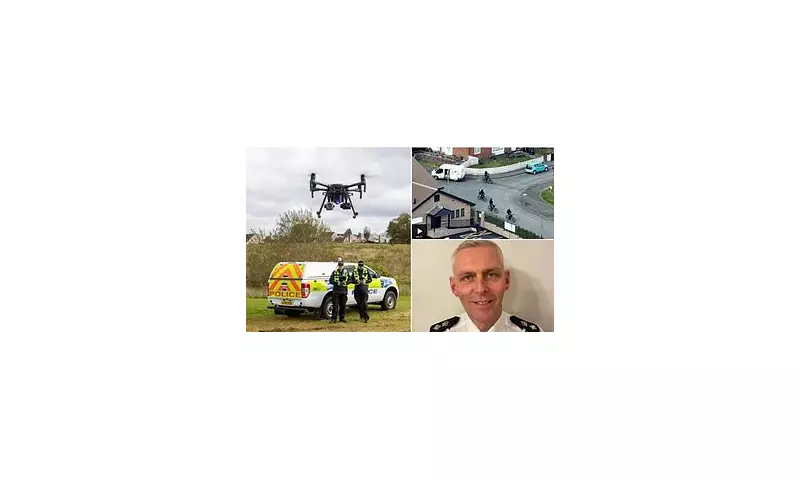
Police Take to the Skies in E-Bike Crackdown
Police forces across Scotland have begun deploying specialist drone technology to combat the growing problem of illegal electric bikes and scooters. The innovative approach comes as authorities face increasing challenges with modified electric vehicles being used for dangerous driving, criminal activities, and antisocial behaviour.
The rising number of electric vehicles – including ones modified to reach alarming speeds – has been directly linked to serious road safety concerns and criminal incidents in recent years. Police have expressed concerns about pursuing riders through conventional means, fearing high-speed chases could endanger both officers and innocent bystanders.
How Drone Technology is Changing Police Pursuits
The new strategy involves using Remotely Piloted Aircraft Systems (RPAS) to detect and track rogue electric scooters and bikes from the air. This technology enables officers to monitor riders without their knowledge, allowing police to tail suspects safely before moving in to make arrests once the riders come to a stop.
The revelation about drones being used against illegal e-bikes emerged during a recent meeting of South Lanarkshire Council's road safety committee. Inspector Chris Hoggans informed councillors that these vehicles are connected to multiple offences including dangerous and careless driving, driving while impaired by drink or drugs, and operating without insurance, licence or registration.
Inspector Hoggans explained the dilemma officers face: "The majority of e-bikes used in criminality will fail to stop for police. At that point, it's up to officers to assess the proportionality of pursuing that bike." He noted that considerations include the time of day, location, how busy the area is, and whether the rider is wearing protective gear or using a balaclava to conceal their identity.
Successful Welsh Operation Paves the Way
Although the technology is now being implemented across Scotland, it has already proven successful in Wales. In March, a drone operation in Newport tracked a group of bikers in response to repeated complaints about nuisance behaviour. Four riders dressed in black hoodies and balaclavas were followed as they navigated through a housing estate, with the drone tracking them to a house where Gwent Police officers arrested them and seized the illegal machines.
Inspector Hoggans confirmed the ongoing trial: "Drones are used as an extra resource to policing teams, allowing officers to scan the area in a very short time for signs of people using e-bikes. Where it is clear to us that there is an issue with e-bikes in a particular area, we will then devote the appropriate resources, including drones."
Assistant Chief Constable Alan Waddell, who leads Operational Support, emphasised the broader benefits: "The safety of all road users is a priority for us. Drones are an effective, visible and low cost asset that can support our existing helicopter." He added that the technology improves the ability to search large areas using fewer resources, reduces risks to officers in difficult environments, and provides aerial imagery for court evidence.
As part of Police Scotland's Air Support Unit, drones are based at strategic hubs in Inverness, Aberdeen and Glasgow. Specially trained officers with Civil Aviation Authority certification also operate the drones for other policing purposes, including rapid searches for missing persons across large areas.