A British family stranded in the Middle East after being wrongly refused entry to an evacuation flight from Oman say they have received an apology from the Foreign Office, but no actual help to get home.
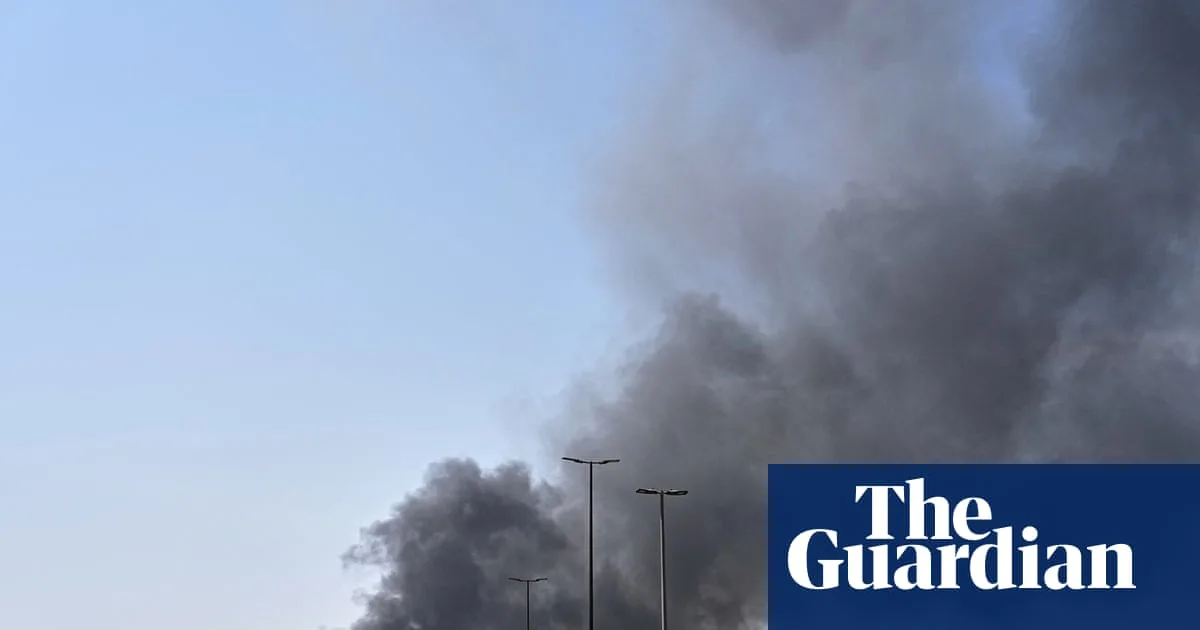
Nusaybah Sattar, 26, from London, was in Dubai with her family to celebrate her brother-in-law’s 40th birthday when the city was hit by Iranian drones and missiles last Saturday. The family left the country, making an eight-hour drive to Oman. There, they registered with the UK government and were informed of a charter flight to London organised by the Foreign Office.
The family of six paid more than £1,700 for tickets, but when they tried to board on Wednesday, Foreign Office ground workers said most of them had not been approved. Only Sattar’s 19-month-old toddler and her 84-year-old grandmother-in-law, who uses a wheelchair, were cleared to board. “Those two are the most vulnerable of our group and they need carers,” Sattar said.

Sattar’s husband contacted the Home Office, which said they did not have the correct visas to enter the UK, despite every family member holding a British passport. Sattar was also told there was an issue with how her name appeared in the system because she had a different surname before marriage. “If we had English names, I don’t think there would have been an issue,” she said.
The flight departed without the family. The Foreign Office later told Sattar’s mother that they had all been cleared but, according to its records, had not arrived at the airport. Sattar said several Foreign Office staff members have apologised but failed to offer further help. On Thursday, the family returned to Dubai. Sattar said she no longer has the “physical or financial resources” to make another journey to Oman, having spent just under £4,000. She added that her disabled grandmother has run out of essential medication.