Record Sextortion Reports in UK as Boys Aged 14-17 Account for 98% of Victims
Children in the United Kingdom are reporting online sextortion attempts in unprecedented numbers, with a sharp increase in blackmail cases targeting under-18s. According to the Report Remove service, which helps children flag intimate images online, there were 394 reports from minors last year of blackmail attempts following the sending of sexual images to predators. This figure represents a 34% rise compared to the previous year, highlighting a growing crisis in digital safety.
What Is Sextortion and Who Is Affected?
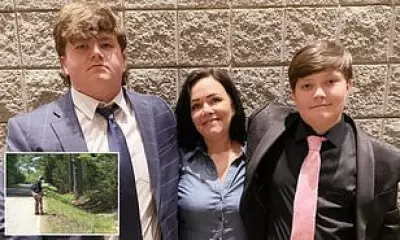
Sextortion involves predators manipulating individuals into sending explicit selfies or videos, then threatening to publish the content unless the victim provides money or more intimate material. Alarmingly, boys aged 14 to 17 made up 98% of the blackmail victims recorded by Report Remove. This demographic is particularly vulnerable, with the crime linked to several suicides among British teenagers, including 16-year-old Murray Dowey from Dunblane, whose parents are suing Meta for alleged failures in safeguarding.
Calls for Action from Tech Companies and Government
Campaigners are urging tech firms to implement stronger measures to disrupt these blackmail attempts. The Molly Rose Foundation, an internet safety charity, has called for the government to demand more action from social media platforms, where initial grooming often occurs. They specifically recommend that Apple and Google introduce nudity-detection technology on their iOS and Android operating systems.

Hannah Swirsky, head of policy at the Internet Watch Foundation, which runs Report Remove alongside the NSPCC's Childline, emphasized the need for intervention: "It is clear to us that if companies won't do this by themselves, the government must step in to make sure they do." The NSPCC has echoed this, advocating for mandatory anti-nudity detection on devices to protect young users.
Impact on Families and Victims
Ros Dowey, mother of Murray, described the latest data as "horrifying and disappointing." She questioned social media companies' responsibility, stating: "What will it take for social media companies to take responsibility, when they are fully aware that crimes are taking place on their platforms but still not putting in place safety measures?" Mark Dowey, Murray's father, added that public perception is shifting against these platforms, but harm continues despite claimed safety improvements.
How Report Remove Works and the Scale of the Problem
Report Remove allows children to upload intimate images, which are converted into a digital fingerprint or "hash" shared with tech platforms to remove or block the content without disclosing the original image. Kerry Smith, CEO of IWF, noted the true impact is "difficult to fathom," as many victims may be unaware of the service. She explained: "Criminals are casting their nets wide and are able to corner young people with the most violent and terrifying threats."
Data for 2025 shows a 66% increase in under-18s seeking help from Report Remove, with 1,175 out of 1,894 reports involving explicit imagery classified as child sexual abuse material. Video reports also rose by 27% to 509 cases.
Tech Company Responses and Ongoing Challenges
Google stated it is "committed" to preventing sextortion with "industry-leading" protections, while Apple declined to comment but offers a communication safety system for nudity warnings. Meta, which is being sued by the Doweys, uses platforms like Lantern for sharing child safety intelligence and has introduced nudity protection features. However, these measures have not stemmed the tide of reports.
Jess Phillips, minister for safeguarding, acknowledged the severity: "Children have been driven to suicide by child sexual abuse and sextortion too often. That reality weighs heavily on me every single day and I will do everything I can to make the online world safer for our children." The UK government has considered requiring devices sold in the country to block explicit images, reflecting the urgent need for regulatory action.