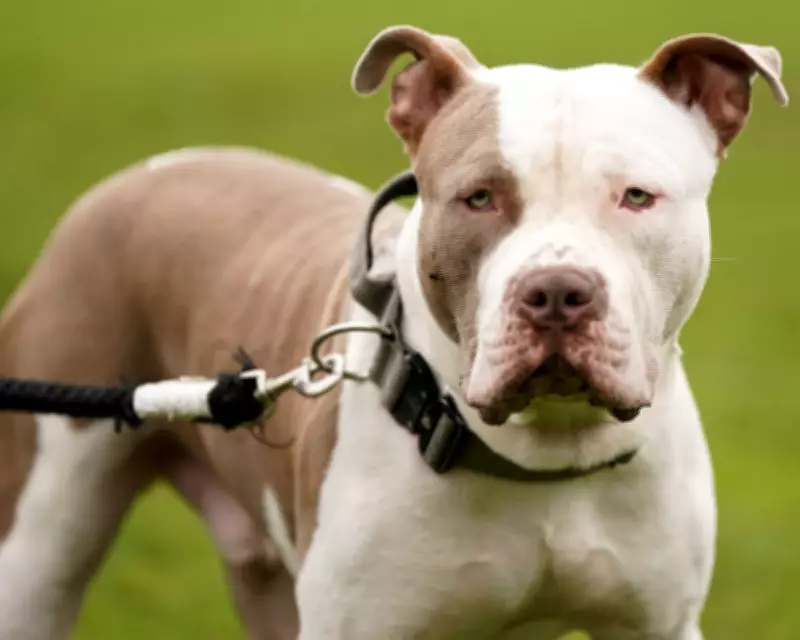
Police Kennelling and Veterinary Costs Skyrocket Following XL Bully Ban
Police forces across England and Wales are facing a dramatic surge in kennelling and veterinary expenses, with spending more than tripling since the implementation of the XL bully ban in 2024. Freedom of information requests submitted to 22 police forces have uncovered that average annual costs per force have escalated from £137,400 in 2022-23 to £423,136 in 2024-25, highlighting a significant financial burden on law enforcement agencies.
West Mercia Records Staggering 774% Increase
West Mercia Police reported the most extreme rise, with annual expenditures climbing from £92,383 in 2022-23 to £715,349 in 2025-26, marking a 774% increase. John Campion, the Conservative police and crime commissioner for the region, expressed deep concern over the strain on resources. "Policing is already stretched, and rising costs and growing demand are pushing resources to the limit," he stated. "The added burden, created by the government and public, of paying for kennelling illegal dogs places even more pressure on already tight budgets. Kennelling is essential for public safety, but without proper government support these costs risk impacting frontline services."
Widespread Financial Impact Across Multiple Forces
Other police forces have also experienced substantial financial hikes. Lancashire, Cumbria, Devon and Cornwall, Norfolk, and Sussex all recorded spending increases exceeding 300% between 2022-23 and 2024-25. Patrick O’Hara, the National Police Chiefs’ Council tactical lead on dangerous dogs, noted unprecedented demand, saying, "I have not known this type of demand in my 26 years’ service. Our kennelling needs have gone up by about one-third since the ban came into force and the demand isn’t slowing down." He warned that dog attacks might worsen as XL bullies reach maturity, indicating a challenging road ahead.

Court Delays and Welfare Concerns Exacerbate Issues
Experts point to court delays as a key factor prolonging the kennelling of seized dogs, thereby inflating costs. Benedict Treloar, co-founder of the Campaign for Evidence-Based Regulation of Dangerous Dogs, emphasized the need for accelerated legal processes. "It does seem like the dogs being kennelled are the ones which are more dangerous, but they’re stuck in kennels, which is sad from a dog welfare perspective and for owners," he explained. Dr. Samantha Gaines of the RSPCA criticized the enforcement approach, stating, "There’s been a huge surge in spend to try and enforce this legislation, and our concern is that the money has been spent basically rounding up dogs which look like XL bullies instead of tackling those dogs whose behaviour genuinely is causing risk." The RSPCA advocates for compulsory recording of dog bite incidents and a shift toward education and prevention.
Debate Over Ban Effectiveness and Attack Statistics
The effectiveness of the XL bully ban remains under scrutiny due to limited data on its impact. In 2024, there were 31,920 recorded dog attacks on people in England and Wales, a 2% increase from 2023. Media-reported deaths involving XL bullies decreased from six in 2024 to three in 2025, but 2026 has seen two fatalities, with breeds yet to be confirmed. Death data delays, influenced by inquests and criminal prosecutions, complicate accurate tracking. CEBRDD argues that reduced Google searches for XL bullies suggest declining interest, potentially leading to fewer attacks over time. Treloar added, "We believe the ban has already limited the most severe attacks, although we can’t say this for certain."
This financial and operational crisis underscores the complex challenges of enforcing dangerous dog legislation, balancing public safety with budget constraints and animal welfare concerns.