
Jewish community leaders and civil liberties groups are demanding urgent explanations from New South Wales police over what they describe as a "sickening double standard" in their handling of public demonstrations.
Contrasting Police Responses Spark Outrage
The controversy erupted after a neo-Nazi rally proceeded in Sydney on Saturday with significant police protection, while pro-Palestine protesters faced mass arrests during recent demonstrations. Approximately 30 neo-Nazi demonstrators gathered at Sydney's Town Hall station, displaying offensive symbols and chanting racist slogans under what witnesses described as heavy police supervision that facilitated their protest.
This stands in stark contrast to the police response at the University of Sydney earlier in the week, where pro-Palestine encampments were forcibly dismantled and multiple arrests were made. The Executive Council of Australian Jewry highlighted this discrepancy, noting the profoundly different approaches to managing these two distinct protest groups.
Community Leaders Demand Accountability
Jewish organisations have expressed deep concern about the apparent inconsistency in policing standards. A spokesperson for the Executive Council of Australian Jewry stated they were seeking "urgent clarification" from NSW Police about their operational decisions and the rationale behind such contrasting responses to different protest groups.
The New South Wales Jewish Board of Deputies echoed these concerns, emphasising that all hate speech should be treated equally regardless of its source. Community safety representatives questioned why extremist groups promoting racial hatred appeared to receive more favourable treatment than other demonstrators.
Calls for Independent Investigation Grow
Civil liberties organisations have joined the chorus of criticism, with some calling for an independent review of police decision-making processes regarding protest management. The controversy has raised fundamental questions about consistency in applying public assembly regulations and whether certain groups receive preferential treatment.
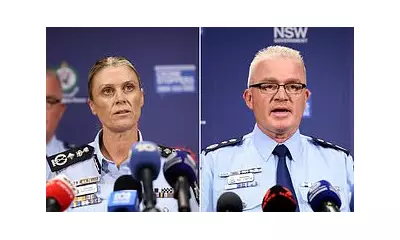
NSW Police have defended their actions, stating they maintain operational independence in managing public demonstrations. However, community leaders argue that transparency and consistency are essential for maintaining public trust in law enforcement institutions. The incident has sparked broader discussions about protest policing standards and the need for clear, consistently applied guidelines.
As pressure mounts on police authorities to provide satisfactory explanations, many are watching closely to see how NSW Police will address these serious allegations of unequal treatment and restore community confidence in their protest management protocols.