More than 100 accidental drowning deaths have occurred in London since 2020, and with the arrival of heatwaves and school holidays, the London Fire Brigade (LFB) is urging the public to take extra care around water. Three UK heatwaves have already led to over a dozen drownings nationwide, including several teenagers. At one lake in Lincolnshire, two teenage boys drowned within two months of each other in unrelated incidents.
Kingston bathing site highlights risks
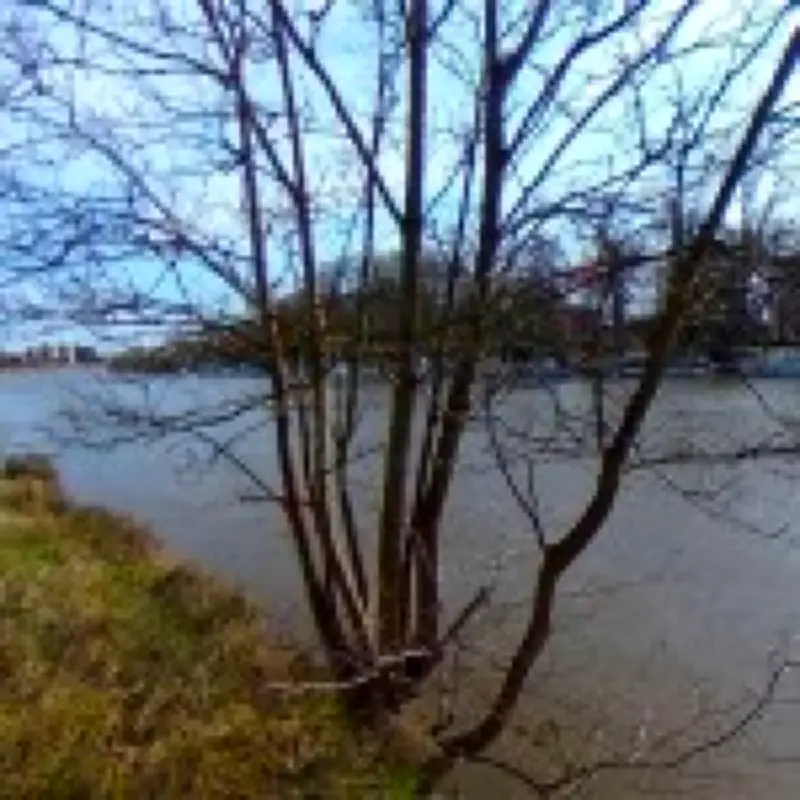
LFB visited Kingston’s designated bathing water site yesterday—the first of its kind in London—alongside local crews from Kingston Fire Station and the RNLI. Richard Field, LFB’s Deputy Assistant Commissioner, noted the appeal of the site: “It looks like so much fun. People were enjoying themselves and that’s beautiful to see.” However, he warned: “Where there’s any body of water and you’ve got people entering it, there is always an increased risk of getting into trouble or drowning. The risk increases particularly for those who are vulnerable.”
Vulnerable groups include young people, those who are intoxicated or impaired, and weaker swimmers. As schools break up, Field said many young people may head to swimming spots like Kingston, which opened in May. “We’re asking parents, guardians, people who look after children to just have a chat with them and explain the dangers of going into water,” he said. The Kingston bathing spot has water depths of at least 1.5 metres and is unsupervised by lifeguards.

Lifeguard absence and tombstoning dangers
Field emphasised the risks of swimming where no lifeguard is present: “If a body of water hasn’t got a lifeguard, it just means someone can go undetected for some time before help arrives. It’s a longer period of time.” He stressed he does not want to discourage public use of the site but advised: “Particularly for children, they shouldn’t be out of your sight around water,” and recommended opting for locations with lifeguards.
Field also warned against “tombstoning”—leaping off a bridge or cliff into water. “That can be extremely dangerous because water levels rise and fall, meaning water could be shallow. Also, you don’t know what’s under the water. You’ve got debris, trolley carts, things you can’t see. It can lead to injury and in the worst case, people can lose their lives. They seem like good fun, but it comes with a risk.”
Cold water shock and rising incidents
Another hidden danger is cold water shock. Even in hot weather, deeper water can be much cooler, causing people to lose their breath and inhale water. Cold water shock can lead to panic, disorientation, and loss of muscle control. According to Field, there has “definitely been an increase” in water-based incidents LFB has responded to in recent years. A “staggering” number of accidental drownings in London since 2020 have involved children and young people, he said, attributing the rise to growing interest in water sports and hotter summers.
Safety measures and resources
Field noted: “Stand-up paddling is one example. We’ve just seen an increased use of our bodies of water. And it is becoming hotter.” LFB has specialist rescue units with water equipment and a larger rescue boat based at Lambeth. It is working with the RNLI and London Ambulance Service to promote safety. At Kingston, firefighters demonstrated throw lines installed along the River Thames, accessible by calling 999 to obtain a three-digit code to unlock the cabinet.