NCAA Sues DraftKings Over March Madness Trademark Infringement
NCAA Files Lawsuit Against DraftKings for Trademark Infringement

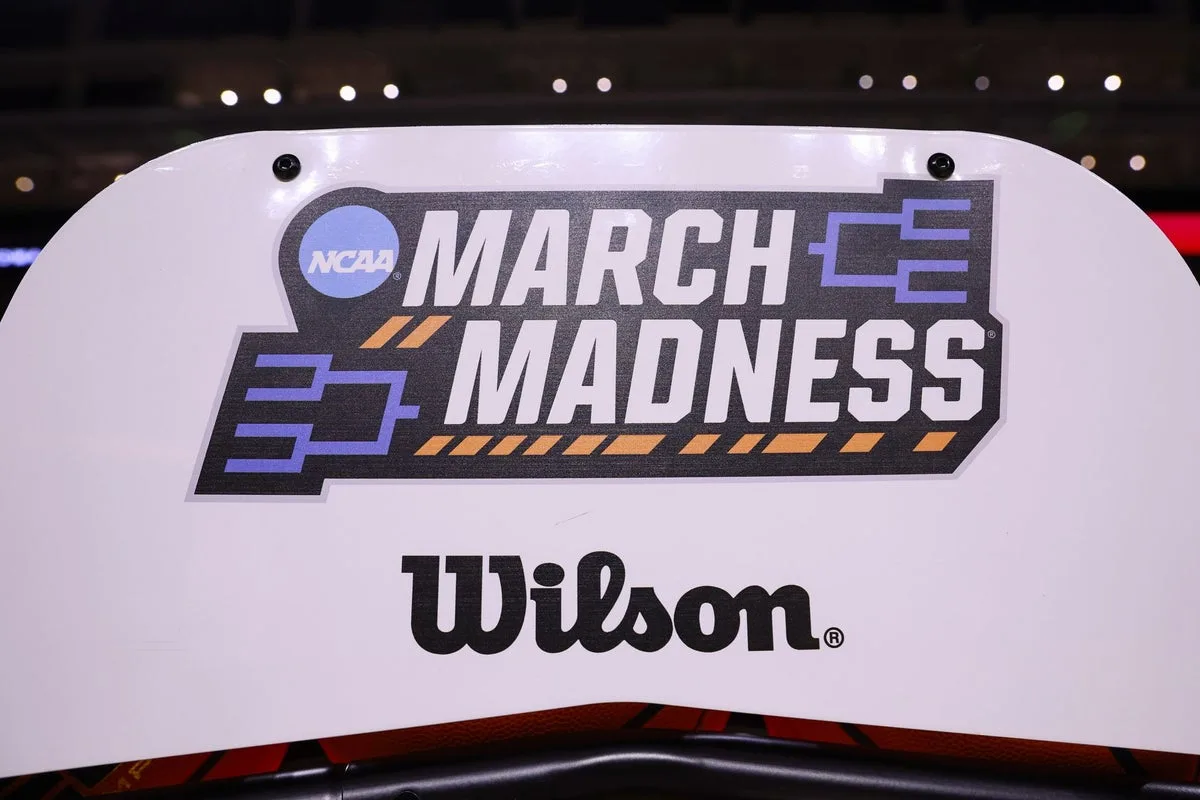
The National Collegiate Athletic Association (NCAA) has initiated a federal lawsuit against the prominent online sportsbook DraftKings, alleging significant trademark infringement related to its iconic college basketball tournaments. The legal action, filed in the Southern District of Indiana, seeks an emergency restraining order to halt DraftKings from utilising registered trademarks associated with both the men's and women's basketball championships.

Legal Demands and Alleged Infringements

In the complaint, the NCAA demands that DraftKings immediately cease using terms such as "March Madness," "Final Four," "Elite Eight," and "Sweet Sixteen," along with any variations of these phrases, within its betting products, promotional materials, or marketing campaigns. The association asserts that these trademarks are crucial for identifying, branding, advertising, and distinguishing its tournaments across various platforms, including broadcast media, digital outlets, merchandise, sponsorships, and licensed commercial activities.

NCAA's Position on the Alleged Violations

The filing contends that DraftKings deliberately adopted these marks on the eve of the tournaments to capitalise on the immense goodwill and public attention surrounding the events. "DraftKings deliberately adopted and prominently began using the NCAA’s iconic NCAA Basketball Marks, including confusingly similar variations thereof, to trade on — and usurp — the immense goodwill, recognition, and consumer trust embodied in those Marks at the precise moment of peak public attention," the complaint states.

Wide Pickt banner — collaborative shopping lists app for Telegram, phone mockup with grocery list

Furthermore, the NCAA included screenshots of DraftKings' wagering platforms as exhibits, alleging that the unlawful use has proliferated across consumer-facing websites and mobile applications. This integration into betting menus, promotional graphics, and marketing publications is said to exacerbate consumer confusion and falsely suggest an association with or sponsorship by the NCAA.

DraftKings' Response and Defence

In response, DraftKings issued a statement firmly denying any trademark infringement. The company argues that it uses terms like "March Madness" in plain text as a fair use, similar to how it references other tournaments such as the NIT, to accurately identify games. "This is protected speech under the First Amendment and is not a violation of any brand’s trademark. We are confident that the courts will deny this request for an injunction," DraftKings stated.

NCAA's Stance on Gambling and Integrity

The NCAA emphasised its longstanding avoidance of any affiliation with gambling entities, noting that it has declined sportsbook sponsorships, banned sports betting by athletes and staff, and publicly opposed proposition bets and micro-bets. The association has also launched initiatives aimed at preventing harassment and improper influence in college sports to preserve the integrity of its competitions.

"Every day that DraftKings continues to use these marks, millions of sports fans — and, critically, college students and young adults who are particularly susceptible to gambling harm — are exposed to the false suggestion that the Association has authorized or endorsed DraftKings’ gambling platform," the NCAA said in a statement, highlighting concerns over consumer protection and the potential for gambling-related harms.

Broader Implications and Next Steps

This lawsuit underscores the ongoing tensions between sports organisations and the rapidly expanding sports betting industry. As legal sports gambling gains traction across the United States, disputes over intellectual property and branding are becoming increasingly common. The outcome of this case could set a significant precedent for how trademarks are protected in the context of sports betting and promotional activities.

The NCAA's aggressive legal move reflects its commitment to safeguarding its brand and maintaining a clear distance from gambling influences, while DraftKings' defence hinges on free speech and fair use principles. The court's decision on the emergency restraining order will be closely watched by stakeholders in both the sports and gambling sectors, potentially influencing future marketing strategies and regulatory approaches.

Pickt after-article banner — collaborative shopping lists app with family illustration