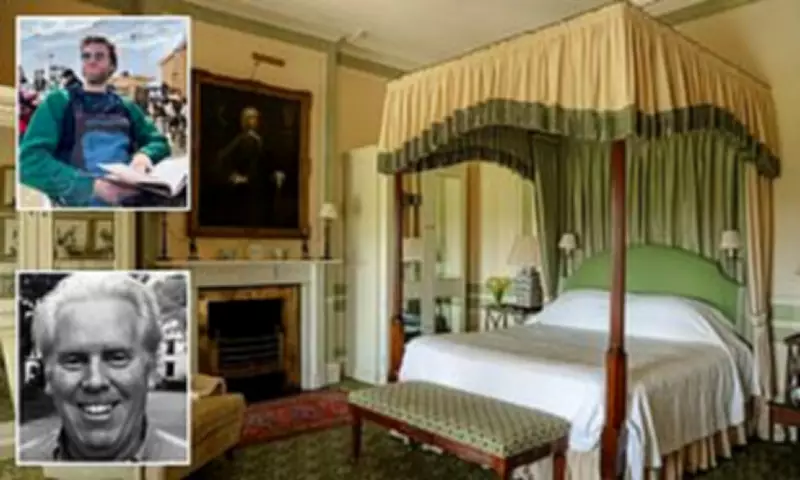
A Connecticut millionaire made a desperate flight to Ireland after receiving an alarming warning about his son's deteriorating mental state, only to be killed by his heir in a tragic incident at a five-star hotel. The case highlights the devastating intersection of family crisis, mental illness, and international intervention.
The Fateful Warning and Transatlantic Journey
In November 2024, financier John McGowan, aged sixty-six, received a distressing call from a friend who had met his thirty-year-old son Henry in London. The friend expressed grave concern, reporting that Henry—normally a conservative dresser—was roaming the city in a hot pink faux fur jacket and had a wild look in his eyes. This was not the first time Henry had exhibited such troubling behavior; he had previously disappeared from his New York City apartment in 2022, fleeing to Europe and spending a month in a Paris psychiatric ward.
A History of Mental Health Struggles
Henry McGowan had been battling severe mental health issues since 2022, with a diagnosis of bipolar I disorder. After his release from the Paris facility, he seemed to regain stability and followed a treatment plan throughout 2023, showing promise for positive changes. However, in October 2024, he relapsed into a manic episode and once again fled to Europe, traveling across the continent before arriving in Ireland.

John McGowan, a head partner at a brokerage firm specializing in New York Stock Exchange trading, acted without hesitation. On November 11, 2024, he booked a flight from his $1.9 million home in Canaan, Connecticut, to Dublin, intending to intercept his son at the airport. But when Henry's plane landed, he was missing, and his phone's location updates ceased.
The Chaotic Search and Hospital Ordeal
Henry contacted his sister, revealing he had discarded his passport, medication, and phone. He claimed to have run over six miles to seek admission at Mater Misericordiae University Hospital in Dublin due to racing thoughts. John rushed to the hospital, but staff informed him no beds were available. He then booked a room at the luxurious Ballyfin Demesne hotel in County Laois, planning to visit a recommended hospital the next day.
Meanwhile, the family enlisted the help of medical helicopter doctor Lisa Cunningham, connected through a mutual friend, to navigate the Irish healthcare system. Cunningham, located about 150 miles away, consulted a nearby hospital about Henry's alarming behavior. They determined he urgently needed admission, and Cunningham relayed this to the McGowans.
The Tragic Outcome at Ballyfin Demesne
When the family tried to update John on the new plan, he did not answer his phone. After hours of frantic calls to the hotel, police, and John's mobile, they received no information. Finally, an officer stated only that there was bad news, without providing details. At 11:30 PM, a family member discovered a local Irish news article reporting: A man in his 60s has died after he was assaulted in Co Laois. A man, aged in his 30s, was arrested.
One of John's daughters shared the link with Cunningham, texting: Henry killed our dad. John McGowan was found unresponsive in the leisure area of the Ballyfin Demesne hotel and was later pronounced dead. Henry was arrested and charged with the killing.
Aftermath and Diagnoses
Henry McGowan is now held at a forensic mental hospital outside Dublin, where he has been diagnosed with schizoaffective disorder—a condition combining symptoms of bipolar disorder and schizophrenia. The family remembers John as warm, down-to-earth, intellectually curious and sometimes goofy, a bookworm who loved crossword puzzles and sports.
In a statement to The New York Times, Mater Misericordiae University Hospital said: The Mater Hospital’s priority is to be at the frontier of compassion, concern and clinical care for all our patients and their families. The Mater Hospital cannot comment on individual patient cases for confidentiality reasons.
This tragic case underscores the challenges families face when mental health crises cross international borders, and the desperate measures taken in the hope of saving a loved one.