A Metropolitan Police sergeant responsible for supervising the protection of the Iranian embassy in London has been dismissed without notice after reporting for duty while intoxicated, in a case that has raised serious concerns about police conduct and public confidence.
Gross Misconduct Findings and Legal Consequences
Police Sergeant Paul Barrett was removed from duty on March 1 after colleagues suspected he had consumed alcohol before or during his shift, which involved driving between diplomatic posts. A subsequent breath test revealed a reading of 46 microgrammes of alcohol per 100 millilitres of breath, significantly exceeding both the legal driving limit of 35 microgrammes and the Met's internal limit for officers on duty of just 13 microgrammes.
According to the outcome report from a police misconduct hearing, Sgt Barrett pleaded guilty on March 16 at Westminster Magistrates' Court to driving with excess alcohol. He received a £700 fine and was disqualified from driving for 14 months, in addition to his dismissal from the force.

Sensitive Diplomatic Protection Role
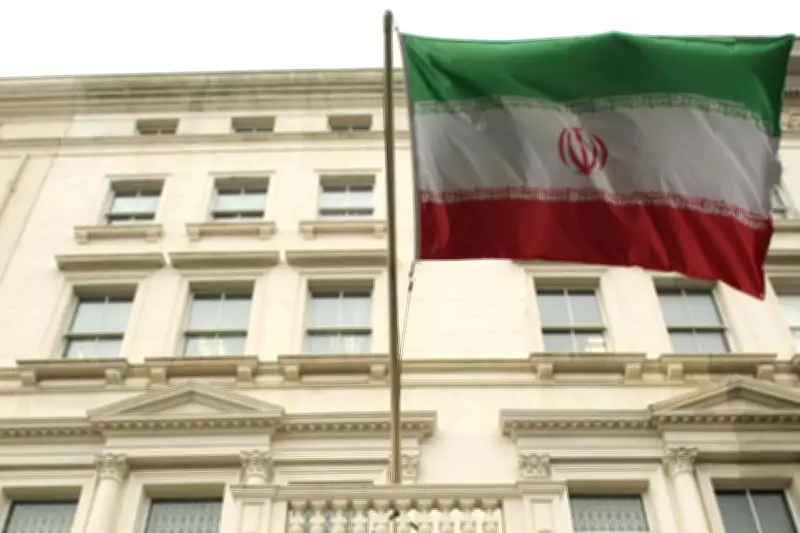
On the day of the incident, Sgt Barrett was serving as the supervising sergeant for officers augmenting existing security provided by the Met's Parliamentary and Diplomatic Protection Command (PaDP) at the Embassy of the Islamic Republic of Iran. His responsibilities included driving between embassies to ensure posts were adequately covered and that officers remained alert during their shifts.
The sensitive nature of this protection duty, involving a high-profile diplomatic mission, made the breach of conduct particularly serious. Two officers on foot patrol first raised concerns when they observed Sgt Barrett smelled of alcohol upon his arrival at the embassy. When challenged about his condition, he became defensive and refused to engage further, prompting the officers to escalate their concerns up the chain of command.
Command Response and Character References
Commander Jason Prins, who chaired the misconduct hearing, stated unequivocally: "I found you were not fit to carry out your responsibilities. Attending a shift with excess alcohol is unacceptable. This was a shift during which you were required to drive and the amount of alcohol in your system meant it was illegal for you to drive."
Commander Prins emphasized the gravity of the situation, noting: "This was a shift in which you were supervising other officers in a high-profile, sensitive and stressful protection post. You were perceptibly in drink to them, such that they raised it with you and then another supervisor." He concluded that Sgt Barrett's conduct was discreditable and "likely to seriously damage confidence in the police."
The misconduct report did acknowledge that this represented "a single and short incident of misconduct, in the context of many years of service." It also noted that seven character references spoke "glowingly" of Sgt Barrett's character and service record, suggesting this incident was an aberration in an otherwise commendable career.
Broader Implications for Police Standards
This case highlights the stringent standards expected of police officers, particularly those serving in sensitive diplomatic protection roles where alertness and professionalism are paramount. The Metropolitan Police's internal alcohol limit for officers on duty—set at just 13 microgrammes compared to the general legal limit of 35 microgrammes—reflects the higher expectations placed on law enforcement personnel.
The dismissal without notice represents the most severe disciplinary outcome available to police misconduct panels, reserved for cases where behaviour is deemed to amount to gross misconduct. This decision underscores the Met's position that attending duty while intoxicated, especially in roles involving driving and supervision of other officers, constitutes a fundamental breach of professional standards that cannot be tolerated.