Downing Street Releases Memo in Defence of Prime Minister Starmer
Downing Street has published a crucial document defending Sir Keir Starmer's position regarding the controversial appointment of Peter Mandelson as US ambassador. The memo reveals the Prime Minister was completely unaware that Foreign Office officials had granted Mandelson security clearance against official recommendations until a meeting on Tuesday evening.
Document Reveals Timeline of Knowledge
The released memorandum, detailing a meeting between Britain's most senior civil servants, appears to support the Prime Minister's assertion that Foreign, Commonwealth and Development Office officials independently cleared Lord Mandelson's appointment without his knowledge. According to the document, Sir Keir Starmer was "not aware" of the vetting decision until informed during Tuesday night's crucial gathering.
However, this publication comes alongside Guardian reports revealing that two senior officials present at that meeting - Cabinet Secretary Antonia Romeo and Cabinet Office permanent secretary Catherine Little - had known about sensitive information concerning Lord Mandelson's vetting since March. This revelation creates significant questions about information flow within Whitehall.

Prime Minister's Reaction and Consequences
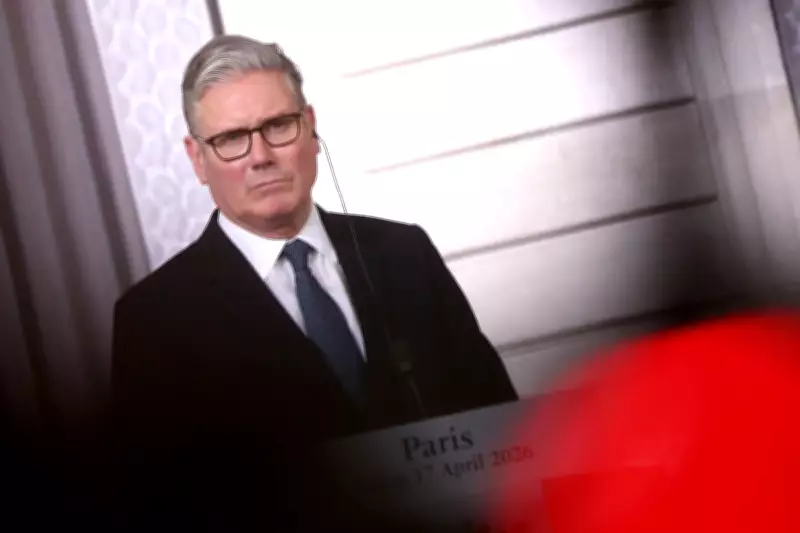
Speaking on Friday, the Prime Minister expressed being "absolutely furious" about the situation, describing it as "staggering" that he hadn't been informed about the vetting process being overruled to clear Lord Mandelson for the prestigious Washington posting. The fallout has already claimed one high-profile casualty, with Foreign Office chief civil servant Sir Olly Robbins dismissed on Thursday night after losing the confidence of both the Prime Minister and Foreign Secretary Yvette Cooper.
The published "readout" of Tuesday's meeting, taking the form of an email from Sir Keir's Principal Private Secretary Dan York-Smith, provides crucial details about the timeline. It states: "As part of the humble address process, that file had been shared with Cat (Catherine Little). On reviewing the file she had therefore learned that the recommendation from the vetting officer had been that DV (Developed Vetting) should not be granted to Peter Mandelson."
Parliamentary Process and Information Flow
The Commons had voted in favour of a humble address motion to release all files related to Lord Mandelson's appointment on February 4th. This timeline suggests Ms Little discovered the vetting revelations sometime after this parliamentary decision but before Tuesday's meeting when Sir Keir was finally informed.
The released email further clarifies: "There is some discretion for departments to proceed with clearance and the FCDO had exercised it in this case, granting Mandelson vetting clearance. Cat had not seen the audit trail for this decision so we did not yet know on what basis the decision had been taken, contrary to the recommendation. The PM was not aware of any of this before the meeting, including that it was even possible to grant clearance against the advice of UKSV."
Cabinet Office Response and Additional Releases
The Cabinet Office has strongly denied that its most senior civil servant, Catherine Little, deliberately withheld important information. A spokesperson explained: "As part of the Government's commitment to comply fully with the Humble Address, the Permanent Secretary at the Cabinet Office requested the vetting summary document. Once she received this document, the Cabinet Office immediately undertook a series of expedited checks in order to be in a sound position to share the document, or the fact of it."
The spokesperson detailed that these checks included obtaining detailed legal advice regarding what information could be shared under the Humble Address, consideration of whether sharing would prejudice criminal proceedings, and seeking information from the Foreign Office about their process. "As soon as these checks were conducted, the Prime Minister was informed," the statement concluded.

In addition to the meeting memo, Number 10 released a blank template copy of the form used to officially indicate whether someone has cleared the developed vetting process conducted by UK Security Vetting. The completed version concerning Lord Mandelson will be provided to the Intelligence and Security Committee, a select group of MPs and peers, as part of the document release mandated by Parliament's humble address vote.
Broader Political Context and Background
These latest revelations about Lord Mandelson's appointment are increasing political pressure on Sir Keir Starmer, occurring alongside Labour's declining poll ratings and the prospect of significant losses in upcoming May elections across Scotland, Wales, and English councils. The timing could hardly be worse for the Prime Minister's political fortunes.
Lord Mandelson, a political appointee rather than career diplomat, was dismissed from his Washington role last September when additional details emerged about his relationship with convicted paedophile financier Jeffrey Epstein, who died in 2019. Sir Keir had already faced criticism over the decision to appoint Lord Mandelson, particularly given knowledge that his dealings with Epstein continued after the financier's conviction for child sex offences.
Questions about the Prime Minister's judgment intensified last month when the first batch of released documents showed Sir Keir had been warned before announcing Lord Mandelson's ambassadorship about a "general reputational risk" concerning his association with Epstein. This initial warning originated from Cabinet Office checks based on publicly available information at the time.
The unfolding scandal represents a significant test for the Starmer administration, highlighting tensions between political leadership and civil service operations while raising serious questions about transparency and accountability in high-level appointments.