Ghislaine Maxwell's Legal Team Battles Release of 90,000 Epstein-Related Pages
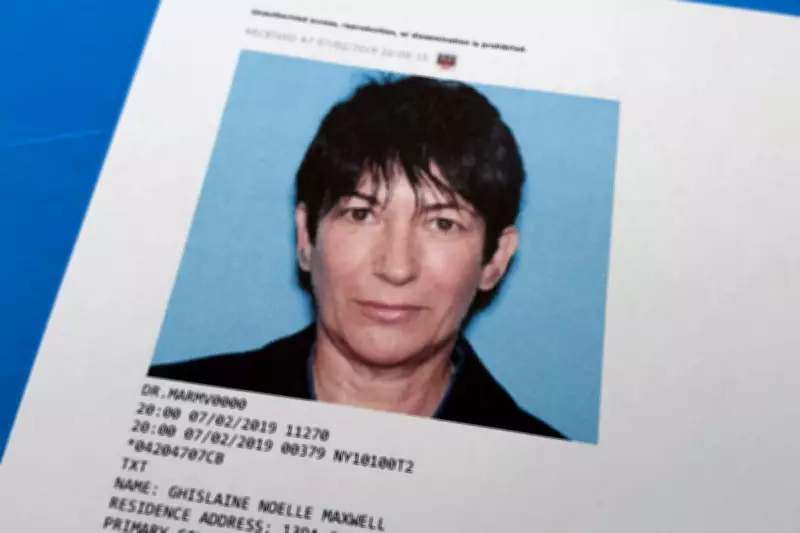
Lawyers representing imprisoned British socialite Ghislaine Maxwell are vigorously opposing the requested public disclosure of approximately 90,000 pages of documents connected to disgraced financier Jeffrey Epstein and Maxwell herself. In a significant legal maneuver, they contend that legislation recently enacted by Congress to compel the release of millions of Epstein-related documents is fundamentally unconstitutional.
Legal Challenge Filed in Manhattan Federal Court
Attorneys Laura Menninger and Jeffrey Pagliuca submitted legal papers late Friday in Manhattan federal court, seeking to block the release of documents from a civil defamation lawsuit that was settled years ago. This lawsuit was originally brought by the late Epstein victim Virginia Giuffre against Maxwell approximately a decade ago. The Justice Department has recently petitioned a judge to lift the secrecy requirements that have long shielded these files from public view.
Maxwell's legal team asserts that the Justice Department improperly obtained these documents during its criminal investigation into Maxwell. These materials, which would otherwise remain protected by secrecy orders, reportedly include transcripts from more than thirty depositions and contain sensitive private information concerning financial and sexual matters involving Maxwell and other individuals.

Constitutional Argument: Separation of Powers
The core of Maxwell's legal argument centers on the Epstein Files Transparency Act, a law passed by Congress in December designed to force the release of millions of documents related to Epstein. Her lawyers maintain that this statute violates the Constitution's separation of powers doctrine.
"Congress cannot, by statute, strip this Court of the power or relieve it of the responsibility to protect its files from misuse. To do so violates the separation of powers," wrote attorneys Menninger and Pagliuca in their court filing. They elaborated further, stating, "Under the Constitution's separation of powers, neither Congress nor the Executive Branch may intrude on the judicial power. That power includes the power to definitively and finally resolve cases and disputes."
Background and Ongoing Revelations
This legal battle unfolds against the backdrop of the ongoing public release of Epstein-related documents from criminal investigations that commenced weeks ago. These disclosures have yielded new revelations about Epstein's decades-long pattern of sexual abuse targeting women and teenage girls. Some victims have voiced complaints that their names and personal details were exposed in the documents, while the identities of their alleged abusers were redacted.
Members of Congress have expressed frustration, noting that only about half of the existing documents have been made public, many with significant redactions. This stands in contrast to assertions from Justice Department officials who claim that all possible materials have been released, with the exception of some files awaiting judicial approval for disclosure.
Connections to Virginia Giuffre and Prince Andrew
The civil defamation lawsuit at the heart of this dispute was initiated by Virginia Giuffre, who alleged that Epstein trafficked her to other powerful men, including the former Prince Andrew, now known as Andrew Mountbatten-Windsor. Giuffre sued Mountbatten-Windsor in 2021, claiming they had sexual encounters when she was seventeen years old. He denied these allegations, and the lawsuit was settled in 2022.
In a recent development, Mountbatten-Windsor was arrested and held in custody for nearly eleven hours on suspicion of misconduct for allegedly sharing confidential trade information with Epstein. Giuffre, who took her own life last year, wrote in a posthumously published memoir that prosecutors informed her they excluded her from the sex trafficking prosecution of Maxwell to prevent her allegations from distracting the jury.

Current Status of Maxwell and Epstein Cases
Ghislaine Maxwell, now sixty-four years old, was convicted in December 2021 and subsequently sentenced to twenty years in prison. Jeffrey Epstein died by suicide in a federal detention center in August 2019 while awaiting trial on sex trafficking charges. Maxwell was transferred from a federal prison in Florida to a low-security prison camp in Texas last summer after participating in two days of interviews with Deputy Attorney General Todd Blanche.
Two weeks prior to this latest legal filing, Maxwell declined to answer questions from House Oversight Committee lawmakers during a video deposition conducted from her prison camp. However, through a statement issued by her lawyer, she indicated a willingness to "speak fully and honestly" if granted clemency.
The Justice Department did not provide an immediate response to requests for comment regarding this new legal challenge on Saturday.