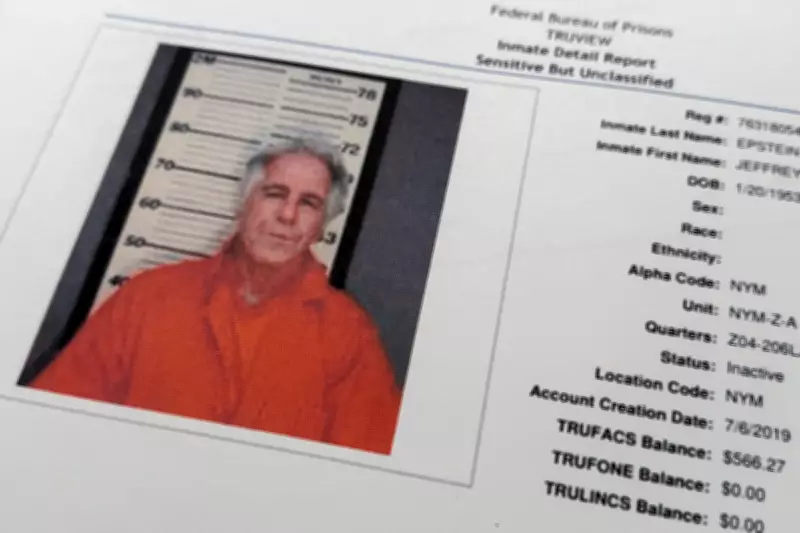
Lawmakers in the United States are intensifying pressure on the Department of Justice (DOJ) to provide complete transparency regarding the Jeffrey Epstein files, accusing the agency of deliberately vague disclosures that shield predators. The controversy stems from a recent six-page letter sent by the DOJ to Congress, which lists high-profile individuals mentioned in the Epstein records but has drawn sharp criticism for its lack of clarity and comprehensiveness.
Vague Disclosures Spark Outrage
The DOJ's disclosure includes names of celebrities such as Marilyn Monroe and Janis Joplin, both deceased for decades, alongside figures like former President Donald Trump, without specifying their connections to Epstein. This has led lawmakers to accuse the DOJ of "purposefully mudding" the list, a charge notably leveled at former Florida Attorney General Pam Bondi, who is implicated in the allegations. Representatives Ro Khanna and Nancy Mace are among those demanding the release of fully unredacted files, arguing that the current release is insufficient and fails to meet the requirements of the Epstein Files Transparency Act.
DOJ's Final Release Claim Disputed
Despite the DOJ asserting that it has released "all" records as mandated by the act, lawmakers contend that many pages remain heavily redacted, with blacked-out sections obscuring critical information. They argue that the list is incomplete and does not provide the necessary transparency to hold individuals accountable. The DOJ has indicated that this is the final release, but lawmakers are pushing back, insisting that further action is needed to uncover the full extent of Epstein's network and any potential wrongdoing.

Calls for Greater Accountability
The lawmakers' demands highlight a broader call for accountability and justice in the Epstein case, which has involved allegations of sex trafficking and abuse. By urging the DOJ to "stop protecting predators," they emphasize the need for clear and comprehensive disclosures that do not obscure the roles of those associated with Epstein and Ghislaine Maxwell. This ongoing dispute underscores the challenges in balancing legal requirements with public demands for transparency in high-profile investigations.
As the debate continues, the focus remains on ensuring that all relevant information is made available to Congress and the public, without redactions that could hinder efforts to understand and address the implications of the Epstein files. The outcome could have significant repercussions for how similar cases are handled in the future, particularly regarding the disclosure of sensitive information involving influential figures.