Kian Moulton Identified as Teenage Killer in Tragic Birmingham Murder Case
The identity of the teenage killer responsible for the murder of 12-year-old Leo Ross has been publicly revealed for the first time. Kian Moulton, now aged 15, was sentenced to life imprisonment with a minimum term of 13 years at a hearing on Tuesday. The court proceedings brought to light the horrific details of a random knife attack that claimed the life of the young schoolboy as he walked home in Birmingham.
Details of the Fatal Incident and Previous Assaults
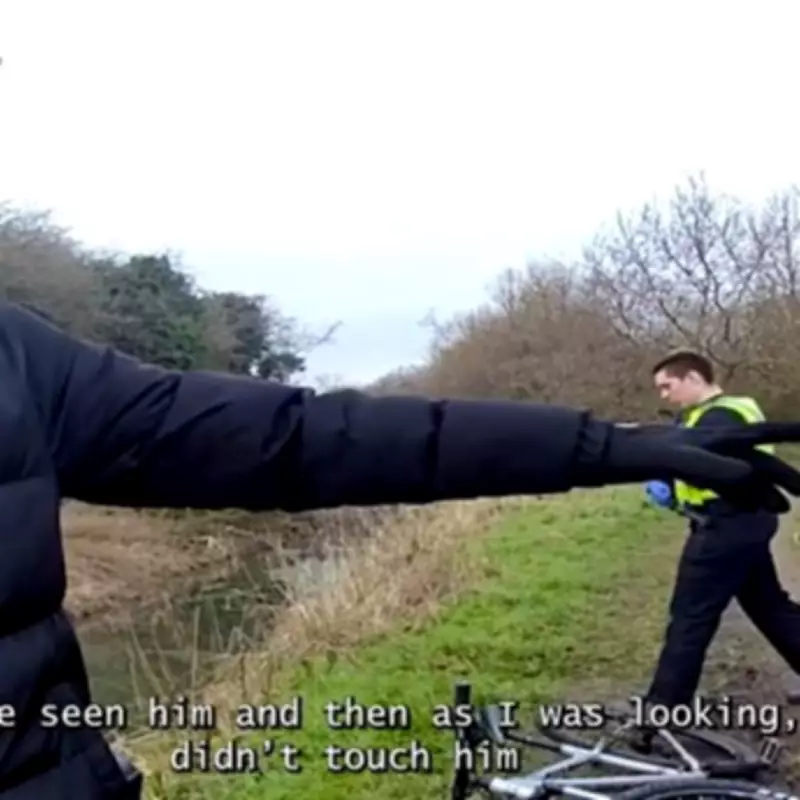
Leo Ross was tragically stabbed to death on January 21 last year while returning from school in the Hall Green area of Birmingham. The attack occurred on a riverside path within Shire Country Park, and Leo succumbed to his injuries after being rushed to hospital. Moulton, who was 14 at the time of the murder, pleaded guilty to the killing during a court hearing last month.
In addition to the murder charge, Moulton admitted to two counts of causing grievous bodily harm with intent on January 19 and 20, 2025, as well as assault occasioning actual bodily harm on January 21, 2025. These charges relate to separate attacks on other victims, including an incident where he attempted to drown an 82-year-old woman just days before fatally stabbing Leo. The court also heard that he injured three women in distinct assaults prior to the murder.

Moulton further pleaded guilty to possessing a bladed article on the day he killed Leo. However, he denied charges of assault occasioning actual bodily harm and assault by beating in relation to two additional victims from late 2024; these charges were ordered to lie on file.
Courtroom Proceedings and Judicial Ruling
The sentencing hearing took place in a courtroom packed with members of Leo's family, underscoring the emotional weight of the case. Following applications from media representatives, Judge Mr Justice Choudhury KC ruled that Moulton should be named due to the significant public interest involved. The judge emphasised the severity of the crimes, stating that murder is the most serious of all offences and that the public deserves to understand what could drive a child to commit such acts.
Legal considerations had previously delayed the disclosure of Moulton's identity, and a fully visible photograph of him remains unavailable. Addressing concerns about Moulton's safety in the secure institution where he is detained, the judge noted that while there have been recorded incidents of violence involving Moulton towards others and himself, his identity is known to some other boys in the facility without resulting in attacks on him.
Background and Psychological Factors
The court was presented with a detailed account of Moulton's troubled upbringing, which included exposure to domestic abuse and the separation of his parents at a very young age. He has had minimal contact with his mother since the age of four, with his father serving as his primary caregiver. Both parents informed psychiatrists that Moulton exhibited a disturbing affinity for violence, seemingly deriving enjoyment from it.
Behavioural issues emerged when Moulton was as young as two years old, but it was not until he turned seven that he received diagnoses of attention deficit hyperactivity disorder (ADHD) and oppositional defiance disorder (ODD). These conditions contributed to disruptive behaviour, anger, and resentment towards authority figures. Moulton also engaged in self-harm, including beating himself in the face and preserving his blood, and he repeatedly expressed beliefs that his parents would be better off if he were dead, having previously attempted suicide.
During police interviews following his arrest, Moulton showed no remorse and offered no explanation for his actions, responding with "no comment" when questioned about Leo's murder and the earlier assaults. This lack of accountability further highlighted the complex and distressing nature of the case, which has left a community in mourning and raised urgent questions about youth violence and mental health support systems.