Jury Deliberations Commence in New York City Homeless Men Murder Case
Jurors are scheduled to begin deliberations on Thursday in the high-profile trial of a man accused of fatally beating four individuals as they slept on the streets of New York City. The case has drawn significant attention to the city's ongoing challenges with homelessness and mental health services.
Defense Claims Mental Illness Prevents Criminal Responsibility
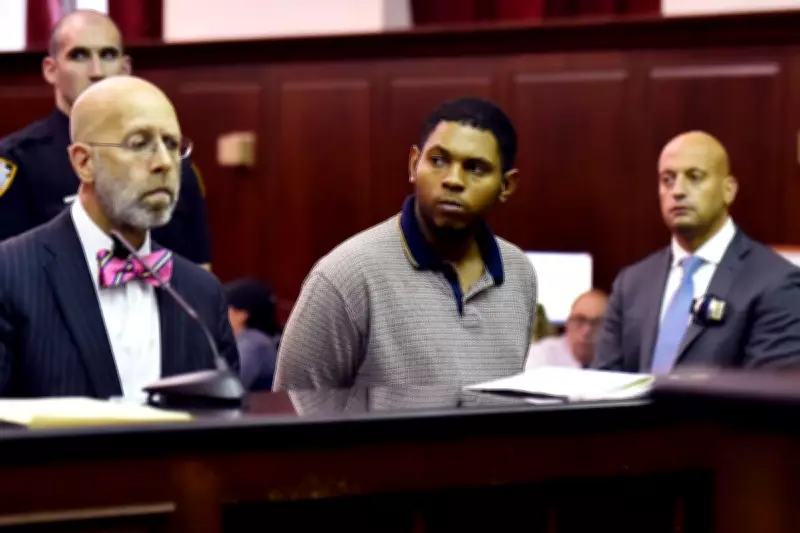
Randy Santos, aged 31, faces murder charges for the deaths of four homeless men—Chuen Kok, Anthony Manson, Florencio Moran, and Nazario Vásquez Villegas, who ranged from 39 to 83 years old. His legal team acknowledges that Santos committed the acts but contends he was too mentally ill to be held criminally responsible under the law.
Defense attorney Arnold Levine argued in his closing statement on Wednesday that Santos, diagnosed with schizophrenia, genuinely believed he heard voices commanding him to kill 40 people or face his own death. Levine asserted that psychosis overrode Santos's moral judgment, making him unable to comprehend the wrongfulness of his actions.

Prosecution Counters with Evidence of Awareness
Prosecutors, led by Manhattan Assistant District Attorney Alfred Peterson, maintain that Santos understood the illegality and immorality of his attacks. Peterson highlighted that Santos occasionally checked for potential witnesses and admitted to a psychiatrist in 2024, "I know it's not a good action." This, the prosecution argues, demonstrates his capacity to recognize wrongdoing despite his mental health condition.
Background and Broader Implications
The incident occurred in October 2019 in New York's Chinatown, where Santos was arrested with a bloody metal bar shortly after the rampage. Santos, who is homeless like some of the victims, has pleaded not guilty to murder, attempted murder, and assault charges related to additional attacks in the days leading up to the killings.
This trial has intensified scrutiny of New York City's efforts to support and protect its homeless population, which had reached record levels at the time. The case underscores critical issues at the intersection of mental health, criminal justice, and social welfare policies.
Potential Outcomes and Sentencing
If the jury rejects the insanity defense and convicts Santos, he could face a life sentence in prison. Conversely, if found not criminally responsible due to mental illness, he may be involuntarily committed to psychiatric treatment for an indefinite period, as determined by officials and the court.
Santos, who is Dominican-born and follows the trial via a Spanish-language interpreter, showed minimal reaction during the summations. His case continues to highlight the complex legal and ethical dilemmas surrounding mental health defenses in violent crime trials.