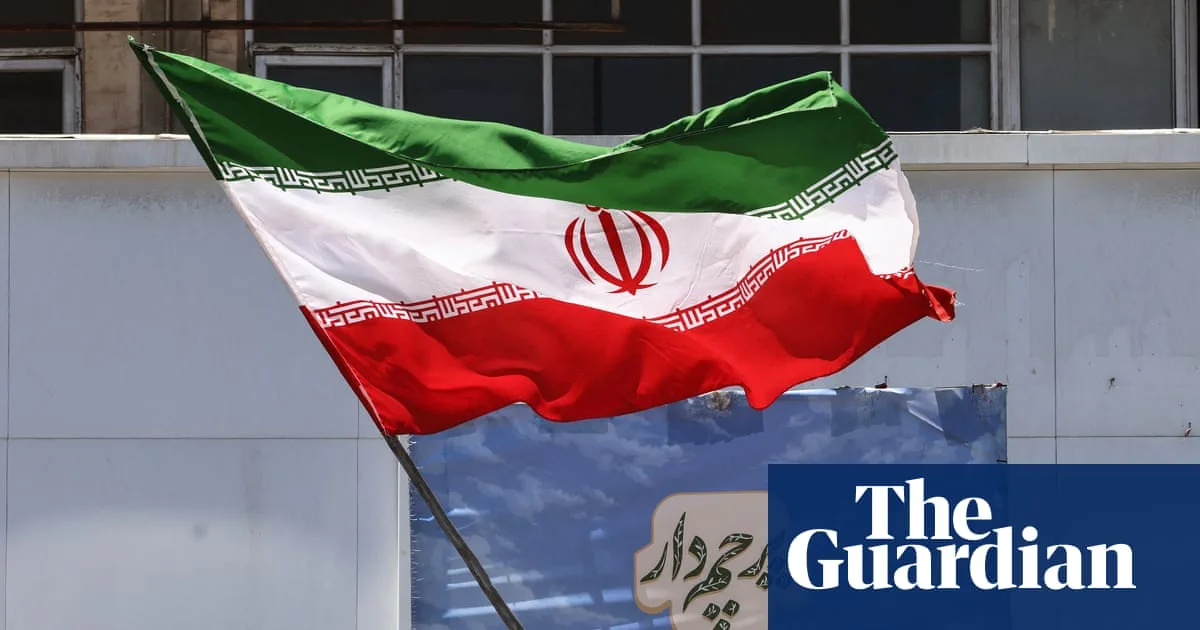
News of a fragile agreement between the US and Iran has been met with relief in much of the Middle East, tempered by widespread doubt that the deal will resolve the region’s deep-seated problems or prevent a return to war.
In Kuwait, a frequent target of Iranian drone strikes during the 15-week conflict, Jordanian engineer Iyad Joumma said the agreement might allow the region to catch its breath, but its success 'will depend on the ability of the parties involved to address the root causes of the tensions'.
Analysts are sceptical of the interim deal, which provides for a 60-day cessation of hostilities. Neil Quilliam of Chatham House described it as 'just a big Band-Aid', with future conflict likely. The memorandum of understanding commits both sides to talks on Iran’s nuclear programme, sanctions, and frozen assets, but few believe a final settlement is achievable in such a short timescale.
Experts point to Gaza as a cautionary example, where a US-brokered ceasefire has not prevented continued violence and occupation. Alia Brahimi of the Atlantic Council noted the Gaza deal did not address past war crimes, disarmament, or a path to a viable Palestinian state. However, she argued the strategic importance of the Strait of Hormuz makes the Gulf situation different.
In Israel, there is dismay that the deal does not tackle Iran’s ballistic missile arsenal or its support for proxy groups like Hezbollah and Hamas. Danny Orbach of Hebrew University said Israel had sought structural change in the Middle East after the October 2023 Hamas attack, but the current agreement falls short.