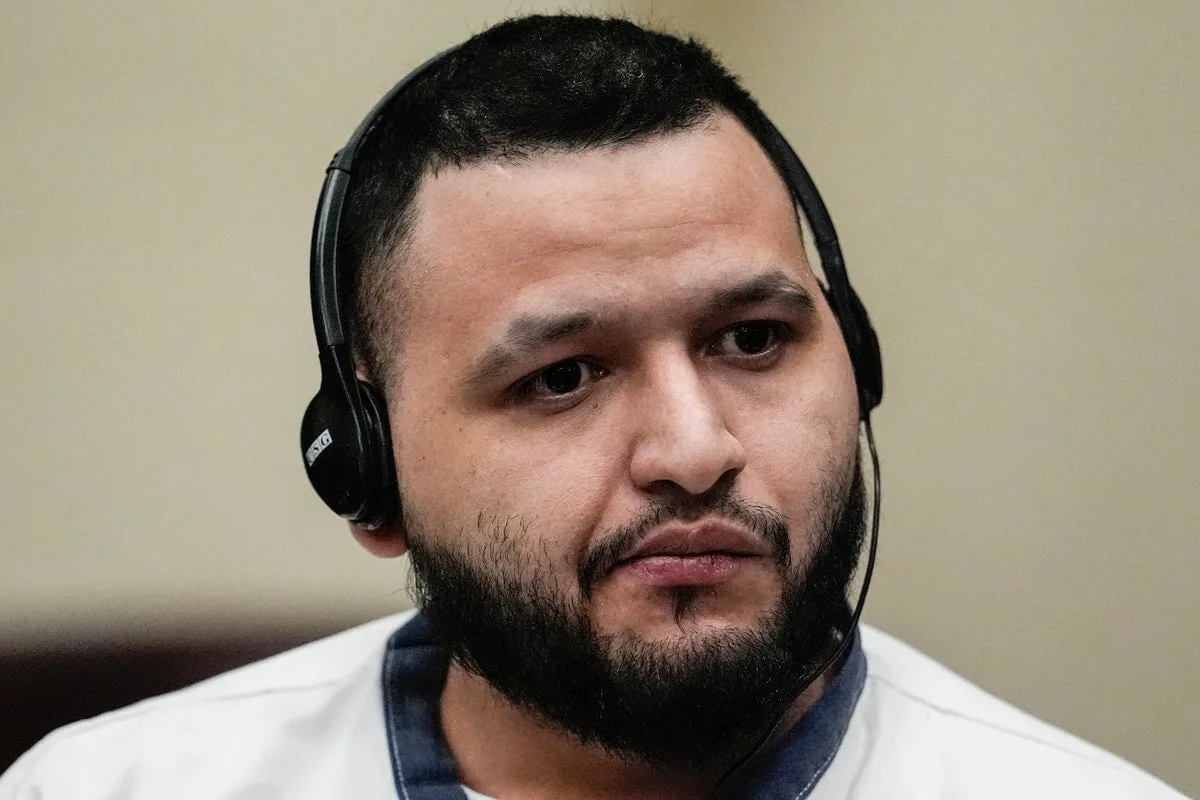
Judge Denies New Trial for Laken Riley's Killer After Constitutional Claims
Judge Denies New Trial for Laken Riley's Killer

Judge Rejects New Trial Bid in Laken Riley Murder Case

A Georgia judge has firmly denied a request for a new trial from Jose Ibarra, the man convicted of murdering nursing student Laken Riley in a case that ignited national debates on immigration policy. Ibarra's legal team argued that his constitutional rights were violated during the original proceedings, but the court found these claims without merit.

Constitutional Claims Dismissed by Court

Lawyers for Ibarra, a 28-year-old Venezuelan immigrant who entered the United States illegally in 2022, contended that his rights were infringed when the judge declined two critical defense motions before trial. The first motion sought to delay the trial to allow an expert witness additional time to review and analyze DNA evidence processed through TrueAllele Casework software. The second motion aimed to exclude certain cellphone evidence obtained from Ibarra's apartment.

Clarke County Superior Court Judge H. Patrick Haggard, who presided over the trial, issued an order on Monday stating that the evidence of Ibarra's guilt presented by prosecutors was "overwhelming and powerful." After Ibarra waived his right to a jury trial, Judge Haggard found him guilty of murder and other charges during the November 2024 proceedings, sentencing him to life in prison.

Wide Pickt banner — collaborative shopping lists app for Telegram, phone mockup with grocery list

Details of the Defense Arguments

In his detailed order, Judge Haggard addressed each of the defense's claims. Regarding the DNA evidence, he noted that Ibarra's lawyers "effectively challenged the TrueAllele DNA evidence at trial" and concluded that no harm resulted from denying the requested delay. The DNA expert testified during a January hearing on the motion for a new trial, but the judge found her opinion neither persuasive nor credible, asserting it would not have altered the trial's outcome.

Concerning the cellphone evidence, Ibarra's attorneys argued that the seizure of two phones from his apartment was improper, as they were not listed on the search warrant. However, Judge Haggard ruled that "exigent circumstances" authorized the seizure, and the phones were not searched until after warrants were issued specifically for their contents.

Background of the Case

Jose Ibarra encountered Laken Riley while she was running on the University of Georgia campus in Athens on February 22, 2024, and killed her during a violent struggle. Riley was a student at Augusta University College of Nursing, which maintains a campus in Athens, approximately 70 miles east of Atlanta. Ibarra had been allowed to remain in the U.S. while pursuing his immigration case after his illegal entry in 2022.

Attorneys for Ibarra did not immediately respond to requests for comment on the judge's denial of the motion for a new trial. Ibarra now has 30 days to file a notice of appeal, potentially extending the legal proceedings in this high-profile case.

The ruling underscores the court's confidence in the original trial's integrity and reinforces the severe consequences for Ibarra's actions, which have left a lasting impact on the community and continue to resonate in broader discussions about immigration and public safety.

Pickt after-article banner — collaborative shopping lists app with family illustration