Dunblane Massacre: Ambulance Worker's Haunting Memories Three Decades On
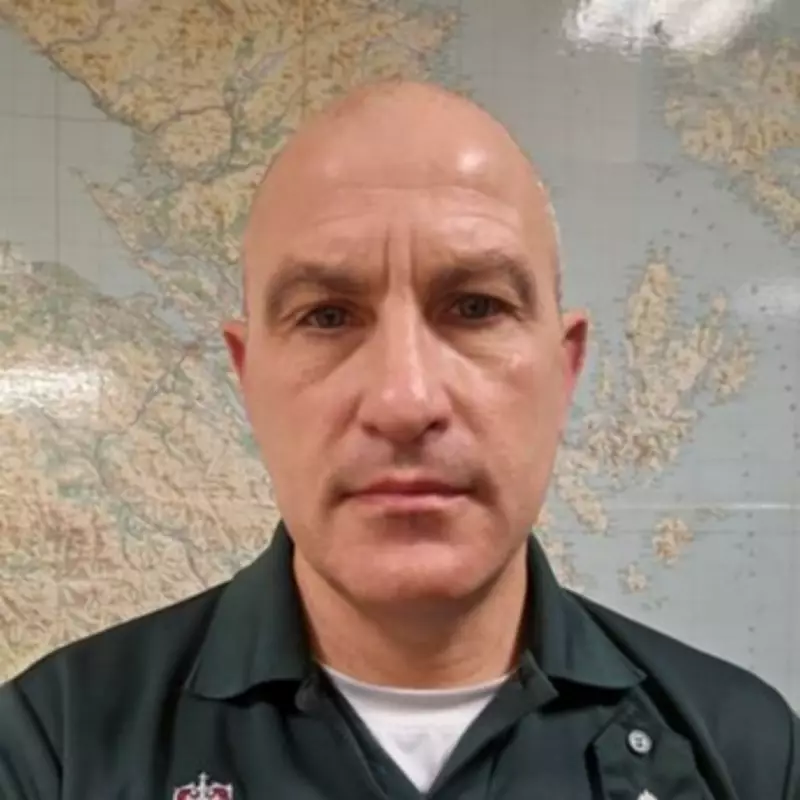
An ambulance crew member has vividly recounted the "eerily calm" atmosphere at Dunblane Primary School and the "shellshocked" emergency responders who dealt with the aftermath of the 1996 massacre, as the 30th anniversary approaches. John Pritchard, who served as an ambulance technician in Crieff at the time, was among the first responders dispatched to the scene on March 13, 1996, after Thomas Hamilton murdered 16 children and a teacher before taking his own life.
The Journey to Dunblane: From Uncertainty to Horror
Mr Pritchard and his partner received minimal information during their journey to the school, initially speculating that the incident might involve something minor like an air rifle. With only VHF radio communication available, they lacked real-time updates that modern emergency services would typically receive. "We thought 'has it been an air rifle, has it been something small?' We didn't think anything more than that," he recalled. The true gravity of the situation only became apparent as they approached Dunblane, encountering police checkpoints and observing the distressed expressions on officers' faces.
"Really you could see in their faces, you know, being beckoned through quite quickly. Then it started to drop that something more serious was going on," Mr Pritchard explained, describing how the sheer volume of police presence signaled the unprecedented nature of the tragedy.
Inside the School: An Eerie Calm Amidst Chaos
Upon entering the school, Mr Pritchard and his Scottish Ambulance Service partner were directed to a room to collect one of the final pupils requiring hospital transfer. The former RAF medic noted the surreal tranquility within the space, despite the surrounding horror. "It was quite eerily calm when we went into the room we were pulled into, eerily calm. There were medical colleagues, the GPs, there were other ambulance staff there that were all working away very quietly and managing with really good handovers," he said.
The veteran responder, who had never witnessed such devastation even during his military service, observed the profound shock etched on everyone's faces. "You could see in everybody's face how shocked they were, I think it was almost what I would call shellshock, almost, at the incident that had happened," he reflected. After transferring the child to Stirling Royal Infirmary, they later transported another wounded youngster to the former Royal Hospital for Sick Children in Glasgow.
A Career-Defining Tragedy and Annual Reflection
Now 57 and serving as area service manager for the south air ambulance division, having previously worked as an air ambulance paramedic, Mr Pritchard identifies the Dunblane shooting as the most harrowing incident of his entire career. He revealed that he annually takes private time around the anniversary to contemplate the lasting impacts of the massacre. "Each time it comes to this time of year I always have a little bit of time to myself, where I go for a walk, and I just think about the age those children would be now, how those families have been affected, how their friends have been affected, how the children that survived have been affected," he shared.
This marks the first time Mr Pritchard has spoken publicly about his experiences that day, emphasizing the importance of collective memory and learning from history. "This is the 30th year. I think it's good to be able to remember, and it's also good to remind people of how this tragedy happened and how do we stop that from happening again," he stated, connecting the event to broader societal issues like gun and knife crime.
Lessons from History: Preventing Future Tragedies
Mr Pritchard highlighted how the Dunblane massacre led to significant changes in UK gun laws, but cautioned against complacency, pointing to ongoing violence and similar incidents worldwide. "And also what good has come out of this? The gun laws in the UK have changed, but now we've gone on to knife crime, all these things open up your mind to how society is with these type of incidents," he noted. He warned that without learning from the past, such tragedies could easily recur, referencing school shootings in America and sporadic global incidents.
"It disappears into the past but, actually, we don't know if something like this could happen again. We see it with these schools in America, we've seen it across the world where incidents still sporadically pop up. If we don't learn from our past, then we can't go on, it just could easily happen again," Mr Pritchard concluded, underscoring the enduring relevance of the Dunblane massacre three decades later.