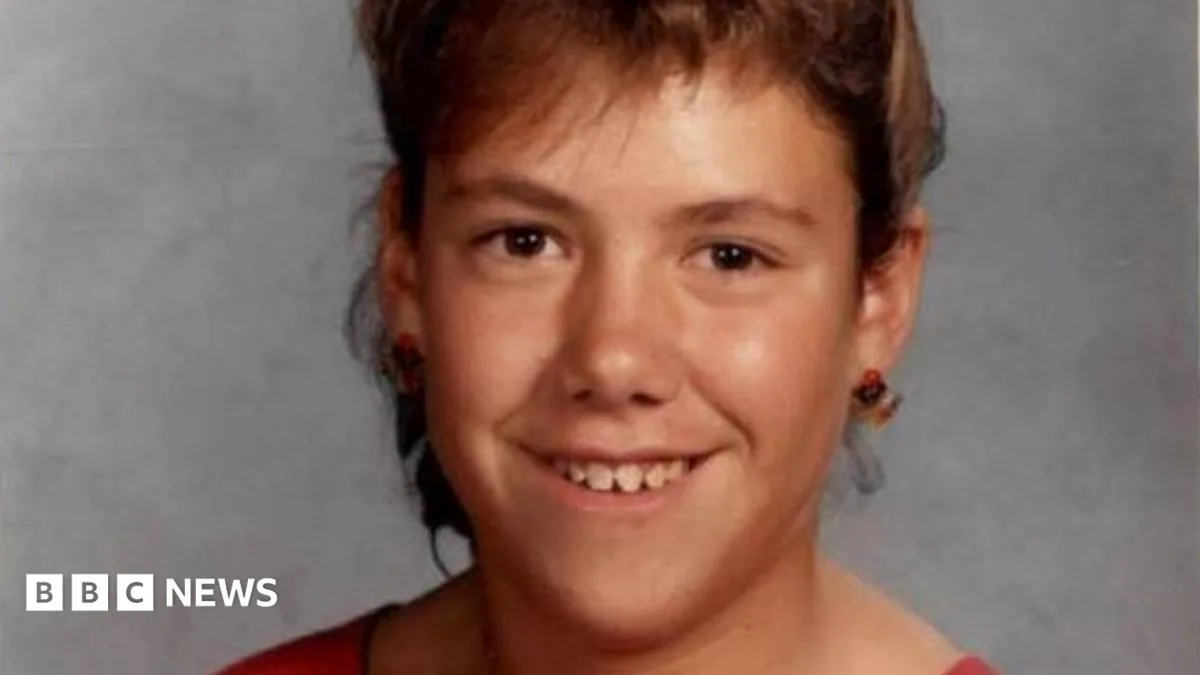
A 1989 murder in Las Vegas has been solved using what experts describe as the smallest amount of human DNA ever used to crack a case. The victim, 14-year-old Stephanie Isaacson, was found assaulted and strangled near her school route. The case went cold until new technology allowed testing of just 0.12 nanograms of DNA—equivalent to 15 human cells.
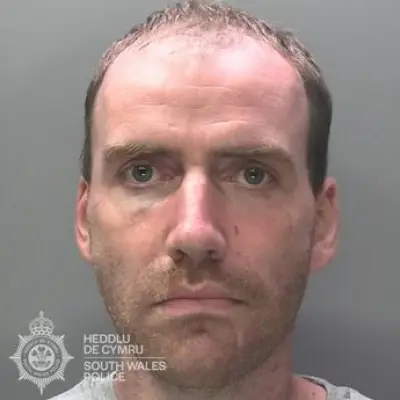
Police announced on Wednesday that genome sequencing and public genealogy data identified the suspect as Darren Roy Marchand. His DNA was already on record from a 1986 murder case, confirming the match. Stephanie's mother expressed relief in a statement read at the press conference.
The breakthrough came after a local resident donated funds to re-examine the case. DNA samples were sent to Othram, a Texas-based lab specializing in cold cases. Using ancestry databases, researchers first identified a cousin of the suspect, leading to Marchand.

Othram CEO David Mittelman called the achievement a milestone, noting that such small DNA samples could reopen many cold cases. The same genomic technology was used to catch the Golden State Killer in 2018. Othram is currently working on cases dating back to 1881.