Court Backlog in England and Wales to Rise Until 2035 Despite Reforms
The backlog of criminal court cases in England and Wales is projected to continue increasing for nearly a decade before any significant reduction occurs, according to newly released figures from the Ministry of Justice. This persistent delay will persist despite the government's implementation of radical reforms, including measures to curtail jury trials and introduce judge-only proceedings.
Government Determined to Press Ahead with Jury Trial Reforms
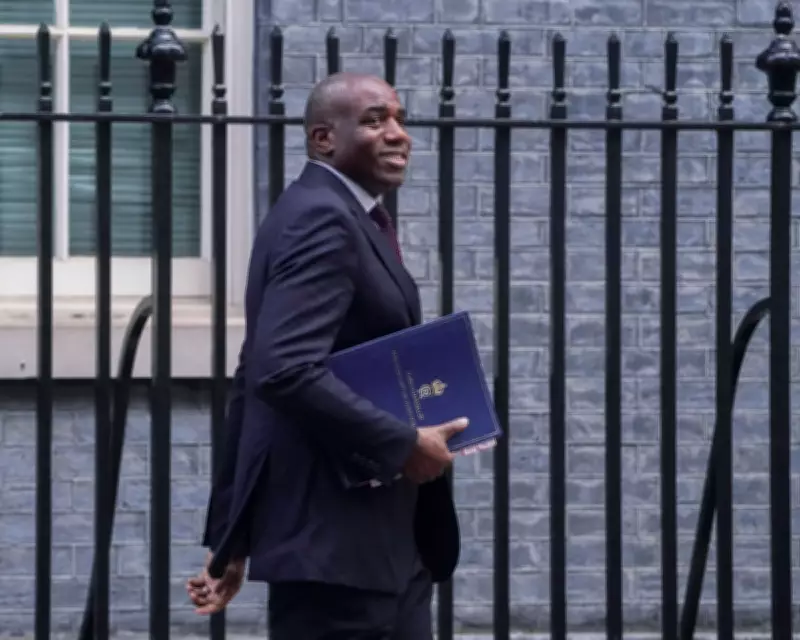
Justice Secretary David Lammy has affirmed the government's commitment to advancing the controversial jury trial reforms, even in the face of potential rebellion from Labour MPs. Lammy warned that without these measures, the backlog would continue to rise exponentially, creating an unsustainable burden on the judicial system.
Courts Minister Sarah Sackman emphasised that the department is employing every available strategy to address the crisis, stating they are "throwing the kitchen sink" at the backlog. She explained that only a comprehensive combination of increased investment, systemic modernisation, and specific reforms like judge-only trials would begin to reduce the overwhelming number of pending cases.

Alarming Statistics and Projections
Currently, more than 80,000 cases are stuck in the crown court backlog, with predictions indicating this number could surge to 100,000 by 2028. This is the same year the proposed reforms are scheduled to take effect, assuming the relevant legislation passes through Parliament.
In a recent development, the government announced it would lift the cap on court sitting days, a measure critics have long advocated as a potential solution to clear the backlog. However, Ministry of Justice figures suggest this action alone will be insufficient to prevent the backlog from growing substantially.
"We cannot sit our way out of the crisis," Sackman stated. "If we operate at maximum capacity and remove financial constraints on crown court operations, it still falls short of reducing the backlog. It barely manages to keep pace with the escalating demand for court services."
Comprehensive Reform Package and Its Limitations
The government's reform package includes several key components:
- Additional court sitting days to increase hearing capacity
- A major modernisation programme to streamline court processes
- Introduction of new judge-only trials for certain offences
According to Ministry of Justice estimates, these combined measures could reduce demand on crown court time by nearly 20%. Despite this significant reduction, the reforms would only bring case numbers down to pre-pandemic levels by 2035, highlighting the severity of the current crisis.
Specific Changes to the Court System
The proposed reforms will fundamentally alter how cases are processed through the judicial system:
- Courts will implement a triage system to categorise cases more efficiently
- Defendants will lose their traditional choice about where their trial is heard
- Significantly more cases will be directed to magistrates courts
- Offences carrying sentences of three years or less could be heard by a new bench division decided by judges alone
Sackman noted that it has become commonplace for trials to be scheduled as far ahead as 2030, particularly in London courts. She also highlighted the growing problem of case collapses, with 7,500 trials failing last year due to ineffective proceedings, often caused by shortages of prosecutors or defence barristers.
Retrospective Application and Opposition Concerns
The reforms are expected to apply retrospectively to cases already in the system when they take effect in 2028. This means defendants who previously opted for crown court trials expecting jury proceedings could find themselves facing judge-only trials instead. Sackman defended this approach as crucial to maintaining consistency and avoiding what she described as a "two-tier system" of justice.

Labour MP Karl Turner has emerged as a vocal opponent of the reforms, telling Politico that approximately 60 Labour MPs are prepared to rebel against the proposals. "We will NOT allow this government or any government of any political persuasion to do away with the right to a trial by jury," Turner declared in a social media post.
Technological Transformation of Court Proceedings
Justice Secretary David Lammy outlined a major technological shift coming to the court system, with rapid expansion of remote hearings for bail applications and case management proceedings. While full criminal trials will continue to be conducted in person, the increased use of technology represents a significant modernisation of court operations.
The technological improvements will include:
- A new digital national listing model operating across the country
- Implementation of an AI listings tool capable of predicting trial durations and allocating empty courtrooms efficiently
- Introduction of "blitz courts" where similar cases are concentrated over shorter periods to improve processing efficiency
Sackman reiterated the government's commitment to the reform path despite predictions of potential policy reversals on jury trials. "The choices we are making are based on pragmatism but also principle," she stated. "We are redesigning a system that centres the victim and ensures justice is delivered more efficiently."