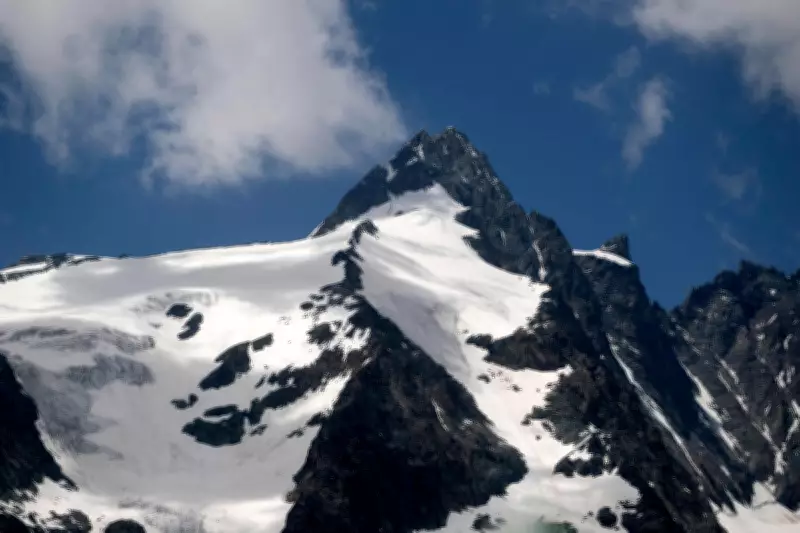
Alpine Climber Faces Manslaughter Trial Over Girlfriend's Freezing Death on Mountain
An Alpine climber, Thomas Plamberger, is currently on trial in Austria, charged with negligent manslaughter following the tragic death of his girlfriend, Kerstin Gurtner, who froze to death on Grossglockner, Austria's highest peak. The case has drawn significant attention due to the severe circumstances surrounding the incident, which occurred during a climbing expedition in harsh winter conditions.
Details of the Fatal Climb
Kerstin Gurtner, aged 33, succumbed to hypothermia and exhaustion just 50 meters from the summit of Grossglockner. At the time, temperatures plummeted to -8 degrees Celsius, with wind chill making it feel as cold as -20 degrees Celsius. Prosecutors allege that Plamberger, who was the more experienced climber and had planned the expedition, made a series of critical errors that led to Gurtner's death.
According to the prosecution, Plamberger committed nine key mistakes, including inadequate planning, the use of unsuitable equipment for the extreme conditions, and a failure to promptly contact search and rescue teams when the situation deteriorated. It is reported that Plamberger left Gurtner at an altitude of 2 meters to descend and seek help, but he did not return until six-and-a-half hours later, by which time she had already perished.

Legal Proceedings and Defence Arguments
Plamberger has entered a plea of not guilty to the charges. His legal representative has described Gurtner's death as a "tragic accident" and has contested certain aspects of the prosecution's timeline of events. The defence argues that the climb was undertaken with mutual consent and that Plamberger acted in good faith under dire circumstances.
If convicted, Plamberger could face a prison sentence of up to three years. The trial is set to examine the specifics of the climb, including the equipment used, the decisions made during the ascent, and the actions taken after Gurtner became incapacitated.
Broader Implications for Alpine Safety
This case highlights the inherent risks associated with high-altitude climbing, particularly in winter conditions. It raises important questions about responsibility and preparedness in extreme sports. Authorities and climbing communities are closely watching the outcome, as it may influence future safety protocols and legal standards for mountaineering expeditions.
The tragic incident serves as a somber reminder of the dangers posed by nature's extremes and the critical need for thorough planning and appropriate gear when undertaking such challenging adventures.