Canada's History of Mass Shootings Under Scrutiny After Tumbler Ridge Tragedy
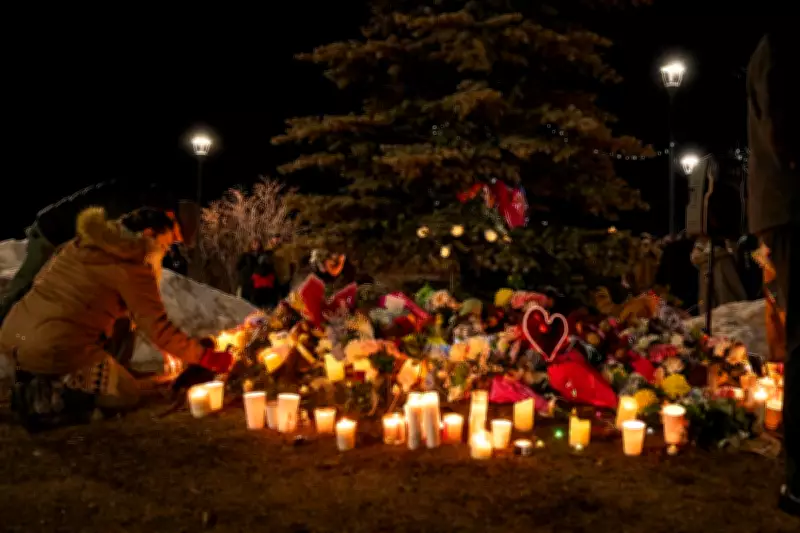
The remote town of Tumbler Ridge, British Columbia, has been thrust into the national spotlight following one of Canada's deadliest mass shootings in recent memory. At least eight people were killed and dozens more injured in a horrific incident at Tumbler Ridge Secondary School on Tuesday, February 10, 2026. The victims included four students aged 12 and 13, a teacher, and the teenage suspect's mother and 11-year-old step-brother found deceased at a separate residence.
The suspect, identified by police as 18-year-old Jesse Van Rootselaar, took their own life after the shooting in this isolated community of approximately 2,400 residents, located roughly 700 miles northeast of Vancouver. British Columbia Premier David Eby expressed profound grief in the aftermath, stating to reporters, "It's hard to know what to say on a night like tonight. It's the kind of thing that feels like it happens in other places and not close to home."
Canada's Gun Landscape and Comparative Statistics
Unlike the United States, where school shootings occur with alarming frequency, such incidents remain exceptionally rare in Canada. Mass shootings in general are far less common north of the border, though the Tumbler Ridge massacre now ranks among the deadliest in recent Canadian history. Canada maintains stricter firearm regulations than its southern neighbor, requiring licenses for gun ownership. Notably, children between 12 and 17 can obtain a minor's firearms license after completing safety courses and passing tests.

Statistical comparisons highlight Canada's relatively lower gun violence rates. The country experiences approximately 0.9 gun-related deaths per 100,000 people, starkly contrasting with 22.4 in Mexico, 21.1 in Colombia, and 6.7 in the United States. Despite these figures, Canada estimates around 10 million firearms remain in circulation, including 1.1 million handguns, with over 2.2 million people holding gun licenses as of 2020.
Historical Mass Shootings in Canada
The Tumbler Ridge tragedy has prompted renewed examination of Canada's history with mass shootings, which, while infrequent, have left deep scars on the national psyche.
Nova Scotia 2020: Canada's Deadliest Rampage
Between April 18 and 19, 2020, Canada witnessed its most lethal mass shooting when Gabriel Wortman, a 51-year-old dental technician, killed 22 people during a 13-hour rampage in Nova Scotia. Disguised as a police officer and armed with semi-automatic rifles and pistols, Wortman shot 13 victims in Portapique within 40 minutes before killing nine more the following day, including a pregnant woman and a Royal Canadian Mounted Police officer. The RCMP ultimately shot and killed Wortman. In response, then-Prime Minister Justin Trudeau announced a ban on 1,500 types of assault-style weapons, later expanding reforms to include a handgun sales freeze.
Edmonton 2014: Family Massacre Claims Eight Lives
On December 29, 2014, 53-year-old Phu Lam committed what police termed a "senseless mass murder" in Edmonton, Alberta. Lam shot and killed six adults and two children, aged 3 and 8, at a house he owned with his estranged wife, who was among the victims. He also killed another woman at a different location before driving to a restaurant 20 miles northeast, where he took his own life. Police confirmed Lam used a stolen 9mm handgun in the deadliest shooting in Edmonton's history.
Vernon 1996: Wedding Massacre Leaves Nine Dead
In April 1996, Mark Chahal stormed a wedding for his estranged wife's sister in Vernon, British Columbia, opening fire and killing nine family members. Chahal, who had threatened his wife since their 1995 separation, arrived with "one in each hand, just like the old Western-style shooters" and began "blasting away," according to neighbor Rick Young. The shooter killed himself when he realized escape was impossible. An inquest produced 29 recommendations on improving police procedures, firearms regulations, and spousal abuse policies.

Montreal 1989: Polytechnique School Shooting
Canada's worst school shooting occurred on December 6, 1989, when 25-year-old Marc Lépine killed 14 women and wounded 14 others in a misogynistic attack at Montreal's Ecole Polytechnique. Armed with a legally purchased Mini-14 semiautomatic rifle and a hunting knife, Lépine targeted female students and staff before committing suicide. He had previously been denied admission to the engineering school and ranted about feminists "ruining his life," with a friend later telling CBC he felt "rejected" by women.
As Canada mourns the latest victims in Tumbler Ridge, these historical incidents underscore the ongoing challenges in balancing gun ownership with public safety, even in a nation where mass shootings remain comparatively rare.