Canada's Comprehensive Gun Control: Assault Weapons Ban and Handgun Freeze
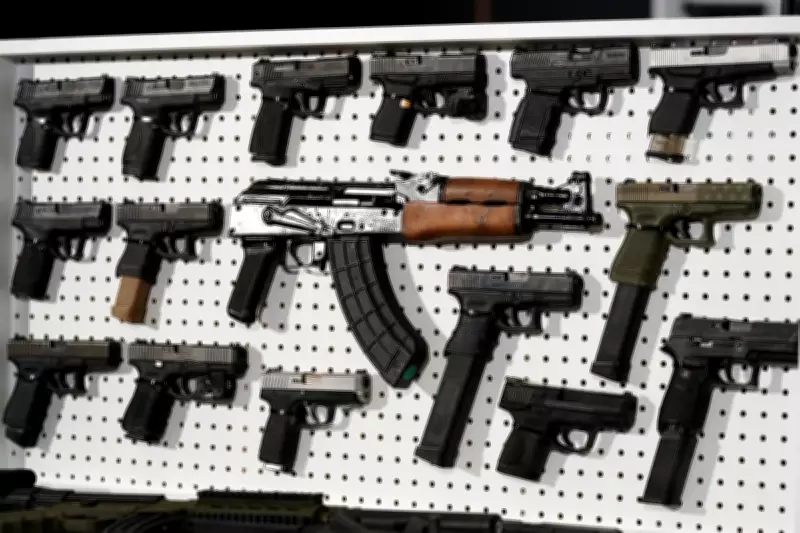
The Canadian government has enacted a series of stringent firearm regulations aimed at curbing gun violence across the nation. These measures include a sweeping prohibition on assault-style firearms and a nationwide freeze on the sale, purchase, and transfer of handguns. Officials describe this as a holistic strategy to enhance public safety and prevent tragic incidents.
Assault-Style Firearms Prohibition
In recent years, Canada has banned more than 2,500 makes and models of assault-style weapons. This initiative gained momentum following a devastating mass shooting in Nova Scotia, where a gunman killed 22 people. Former Prime Minister Justin Trudeau announced an immediate ban on over 1,500 models on May 1, 2020, just two weeks after the tragedy. The prohibited list includes firearms used in that attack, such as the AR-15, which has been involved in numerous mass shootings in the United States.
Trudeau emphasized the need for concrete action, stating, "Canadians need more than thoughts and prayers." To support compliance, the government launched compensation programs. A business-focused program ran from November 2024 to April 2025, resulting in the collection and destruction of more than 12,000 guns. Additionally, a similar initiative for individuals opened recently, offering compensation to gun owners who voluntarily surrender banned weapons by March 31.

Those who choose not to participate must dispose of or permanently deactivate their prohibited firearms before an amnesty period concludes on October 30. This approach ensures that dangerous weapons are removed from circulation while providing fair options for owners.
National Handgun Sales Freeze
Complementing the assault weapons ban, a national freeze on the sale, purchase, and transfer of handguns took effect in October 2022. This measure is designed to limit the proliferation of handguns, which are often linked to urban violence and criminal activities. However, the freeze includes specific exemptions to accommodate certain groups.
It does not apply to individuals who were already authorized to carry handguns prior to the freeze, ensuring that existing rights are respected. Furthermore, exemptions are made for those involved in shooting sports recognized by the International Olympic Committee or International Paralympic Committee, allowing athletes to continue training and competing without disruption.
Broader Efforts to Combat Gun Violence
These firearm restrictions are part of a broader, comprehensive approach to addressing gun violence in Canada. Government officials have implemented additional measures to strengthen safety protocols and support community initiatives.
- Lifetime Background Checks: Enhanced screening processes now require lifetime background checks for firearm applicants, helping to prevent access by individuals with histories of violence or mental health issues.
- Investment in Enforcement: Increased funding has been allocated to law enforcement and border operations, aiming to intercept illegal firearms and improve investigative capabilities.
- Community Awareness Programs: The government has supported projects that educate the public about "Red Flag" laws. These laws empower anyone to apply to courts for temporary firearm restrictions on individuals deemed a danger to themselves or others, promoting proactive intervention.
By integrating these efforts, Canada aims to create a safer environment while balancing the rights of responsible gun owners. The ongoing evaluation of these policies will be crucial in assessing their impact on reducing gun-related incidents and enhancing national security.