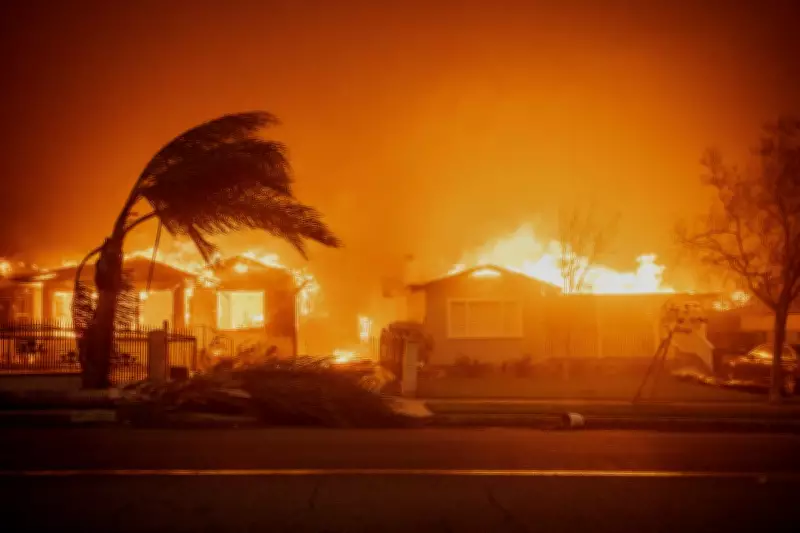
California's attorney general has initiated a significant civil rights investigation into the delayed evacuation orders that occurred during a devastating wildfire in the Los Angeles area in January 2025. The probe focuses specifically on how these delays affected a historically Black community, raising serious questions about potential discrimination in emergency response protocols.
Focus on West Altadena Community
Attorney General Rob Bonta announced the investigation on Thursday, February 12, 2026, following months of discussions with community members and survivors of the Eaton Fire. The investigation centers on whether unlawful discrimination based on race, disability, or age contributed to delayed evacuation notifications that disproportionately impacted the west side of Altadena, an unincorporated town in Los Angeles County.
The Eaton Fire, which ignited on January 7, 2025 alongside another blaze, resulted in 19 fatalities and destroyed more than 9,400 structures. According to reports from the Los Angeles Times and Associated Press, all but one of these deaths occurred in west Altadena, where evacuation orders were issued hours after those for the east side of town, and well after homes had already begun burning.

Critical Timeline Discrepancies
Investigative findings reveal that approximately six hours after the fire started, none of the neighborhoods west of Altadena's North Lake Avenue had received evacuation warnings. Significant expansion of evacuation orders did not occur until after 3 a.m. One resident from West Altadena reported to the Associated Press that she did not receive official alerts to evacuate until hours after she had already packed her belongings and fled the area.
Bonta emphasized that the investigation will primarily examine the Los Angeles County Fire Department's systems and procedures. The central question is whether existing emergency response mechanisms contributed to the delayed notifications and possible disparities in how different communities received critical information during the crisis.
Community Response and Accountability
The attorney general expressed confidence that officials would voluntarily cooperate with investigators, sharing necessary information to determine what went wrong. "The families forever changed because of the Eaton Fire deserve nothing less than our full commitment," Bonta stated during his announcement.
Altadena for Accountability, a group composed of fire survivors who have campaigned for an investigation into the county's fire response over the past year, welcomed the announcement as a "trailblazing move." In a press release, fire survivor Gina Clayton-Johnson shared her perspective: "Losing my home and seeing my parents lose theirs was devastating. I'm heartened today knowing that we have a real pathway to answers and accountability for what went wrong. This is a big day for all fire survivors today and victims of climate change disasters in the future."
Broader Context of Alert System Failures
This investigation comes against a backdrop of similar issues with emergency alert systems during major fires across the United States. A confusing patchwork of notification systems and delays in disseminating critical information has been documented in numerous disasters, including:
- The 2018 Camp Fire in Paradise, California
- The 2023 Lahaina Fire in Hawaii
- The 2021 Marshall Fire that destroyed over 1,000 homes near Denver
Emergency management experts have repeatedly pointed out inherent flaws in systems that rely heavily on cellphones and other technology to alert residents. These systems often fail to adequately reach vulnerable populations, including older residents and those with disabilities, creating potentially deadly gaps in emergency communication.
The Los Angeles County Fire Department has not yet responded to requests for comment regarding the newly announced investigation. As California continues to face increasing wildfire risks due to climate change, this probe represents a significant step toward understanding and addressing systemic failures in emergency response that may disproportionately affect marginalized communities.