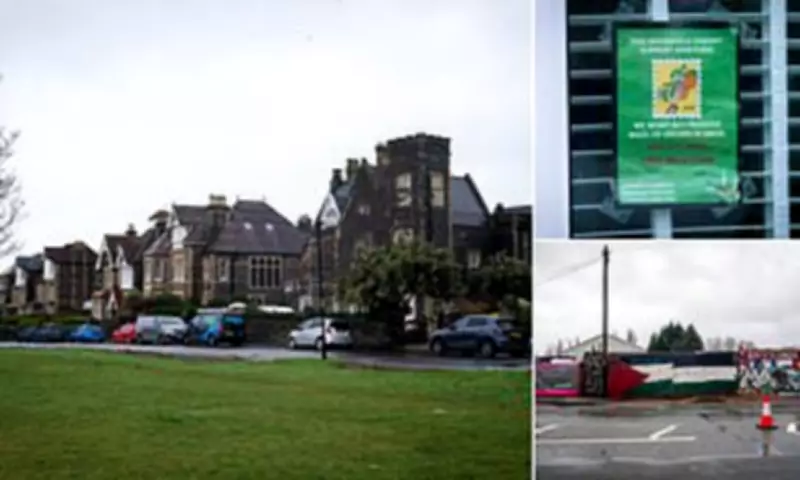
Renowned as one of Britain's most progressive cities, Bristol has long been celebrated for its radical activism, vibrant arts scene, and status as a left-wing stronghold. Home to one of the country's most politically engaged universities, the city was recently named among the best places to live in the UK, praised by TimeOut magazine for its 'rebellious and creative streak'. However, beneath this bohemian facade, a troubling decline is unfolding, marked by a surge in antisemitic incidents, a devastating knife crime epidemic, and a deepening class divide between affluent homeowners and struggling residents.
A City Scarred by Violence
The brutal reality of Bristol's knife crime crisis has left communities living in fear. In July 2023, teenager Eddie Kinuthia was stabbed to death in St Paul's, a killing that judge Mr Justice Pepperall later attributed to a 'violent' gang feud between the 1-6s and 2-4s factions. This conflict, the court heard, has led to at least fifty violent or weapons-related incidents since late 2018, including four murders and two attempted murders.
Local resident Sam, 54, who grew up in the area, observed a stark change. 'I think there is more knife crime now. When I was a kid people just punched people in the face,' she told the Daily Mail. Abdullahi, a 23-year-old supermarket worker, confirmed the prevalence, recalling a week with 'seven, eight stabbings around East Bristol and St. Paul's'.

Youth Lives Cut Short
The human cost of this violence is heartbreakingly clear. In January 2024, best friends Max Dixon, 16, and Mason Rist, 15, were stabbed to death with machetes yards from Mason's front door in a case of mistaken identity. Just months earlier, in June 2023, aspiring drill rapper Mikey Roynon, 16, was killed with a zombie knife at a house party in Bath. These tragedies underscore a cycle of retaliation that locals fear may never end. 'I feel like it all starts with one disagreement and then people obviously try to get back for each other. And then it just leads on to never stopping,' Abdullahi lamented.
Antisemitism and Political Division
Parallel to the violence, Bristol's reputation for tolerance is being tested by rising antisemitism. In one neighbourhood, parents report an increasingly 'permissive culture of antisemitism' since the October 7 Hamas attacks. One couple described being interrogated by other parents over their views on Zionism, while their child faced 'hassle from another pupil over Gaza' at primary school. 'The small Jewish community is being ostracised in an organised way. It is being done by the left and polite society aren’t doing enough,' the husband told The Times.
Protest and Polarisation
This tension manifested publicly when Labour MP Damien Egan's visit to Bristol Brunel Academy was cancelled in September following campaigns by far-left protesters from the local National Education Union branch and Palestine Solidarity Campaign group. Activists cited his links to the Labour Friends of Israel, framing the cancellation as a win for 'safeguarding and solidarity'. The NEU has since launched an inquiry into allegations of a 'hostile environment' for Jewish members at the academy, though a spokesman stated it was part of a broader review of how contentious issues are debated within the union.
The Housing Divide Deepens
Compounding these social fractures is a severe housing crisis that is exacerbating class divisions. Bristol has become one of the most expensive cities to buy a home outside London, with average prices reaching £394,309 according to Rightmove, or £357,000 per ONS data as of November 2025. Only Cambridge and Oxford command higher prices. This affordability gap is squeezing students and young professionals. Henry, a 21-year-old student living in Clifton, noted, 'I think it's the second most expensive city outside of London for students... pricing has come into that.'

Suburban Sanctuary vs Urban Decline
Wealth enclaves like Sneyd Park, where properties average £1.8 million, contrast sharply with areas plagued by crime. Phil, 75, a long-term resident, finds himself avoiding the city centre due to rampant crime and antisocial behaviour. 'It's been destroyed. Now I never go in the centre. It's horrible,' he said. Meanwhile, Andrew, 36, visiting his childhood home, expressed terror at the prospect of buying locally. 'I grew up here... but I don't think I could afford it.'
A Community at a Crossroads
Bristol stands at a critical juncture. Its celebrated progressive ethos is being undermined by violence, intolerance, and inequality. As knife crime devastates youth, antisemitism divides communities, and housing costs exclude a generation, the city's identity as a rebellious creative hub is under threat. Locals like Rambo, 46, argue for substantive intervention. 'You can't just expect the kids to put down their arms... Show them how to de-escalate conflict. Get some funding and show them the world.' Whether Bristol can reconcile its ideals with its present realities remains an urgent, unanswered question.