A controversial police operation in one of Rio de Janeiro's largest favela complexes has triggered nationwide condemnation and prompted Brazil's Supreme Court to launch a formal investigation into potential human rights violations.
Operation Leaves Trail of Destruction
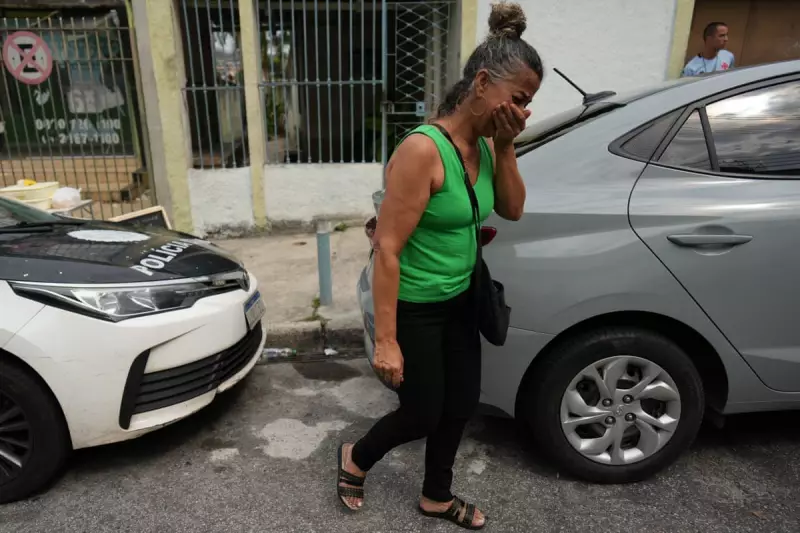
The raid, conducted in the sprawling Complexo da Maré neighbourhood, resulted in multiple casualties and widespread property damage, according to local reports. Residents described scenes of chaos as heavily armed officers moved through the community's narrow streets.
"We heard intense shooting for hours," one resident told reporters. "Famil were terrified, hiding wherever they could find cover. This isn't the first time security operations have turned our community into a war zone."
Supreme Court Steps In
Brazil's Supreme Court has taken the extraordinary step of opening an investigation into the conduct of police during the operation. Justice Luis Roberto Barroso has demanded comprehensive reports from both state and federal authorities detailing the circumstances surrounding the raid.
The court's intervention highlights growing concerns about police tactics in Brazil's impoverished communities, where similar operations have frequently resulted in high civilian casualty counts.
Pattern of Violence Raises Alarm
Human rights organisations have long criticised what they describe as excessively violent police operations in Rio's favelas. The latest incident has reignited debates about public security policies and the protection of vulnerable communities.
Local advocacy groups documented numerous accounts of property damage and reported that several residents sustained injuries while trying to flee the crossfire. Community leaders are demanding accountability and compensation for affected families.
National Repercussions
The raid has sparked protests and drawn condemnation from political figures across the spectrum. Many are questioning whether current security strategies effectively combat crime or simply perpetuate cycles of violence in marginalised communities.
As investigations continue, the incident has placed renewed pressure on authorities to balance crime prevention with the protection of civilian lives and human rights.
The outcome of this Supreme Court investigation could have significant implications for policing methods throughout Brazil, potentially leading to major reforms in how security operations are conducted in densely populated urban areas.