Australians Demand Tougher Terrorism Charges After Perth Protest Bomb Scare
Australians have expressed widespread outrage and disbelief at the level of charges brought by police following a terrifying incident at a major Invasion Day protest in Perth. The controversy centres on an alleged explosive device that was hurled into a large crowd gathered at Forrest Place in the city's central business district on January 26th.
The Failed Explosive Device and Police Response
According to police allegations, a glass container filled with ball bearings and screws suspended in an unknown liquid was thrown directly into the demonstration. Authorities stated the device was specifically designed to explode on impact, with investigators noting it was only through sheer good fortune that the dangerous object failed to detonate as intended.
A 31-year-old man from Warwick in northern Perth was subsequently arrested and charged with two serious offences: intent to do harm in such a way as to endanger life, health or safety and making or possessing explosives under suspicious circumstances. During a raid on the suspect's home, police reportedly discovered additional explosive-related materials, adding further gravity to the situation.

Public Outcry Over Charge Selection
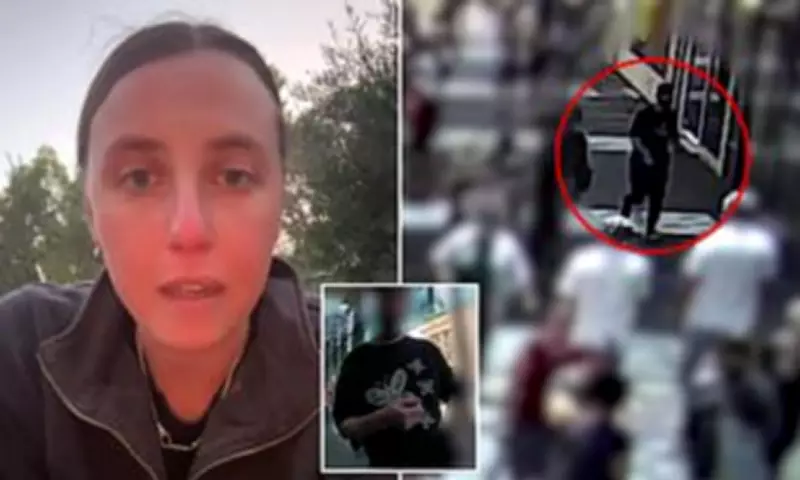
The police decision not to pursue terrorism-related charges has sparked significant public criticism, particularly from those directly affected by the incident. Young Australian activist Georgia, whose partner was speaking at the protest when the device was thrown, voiced her frustration in a powerful social media video that has since gained considerable attention.
'It is so lucky that for whatever reason [the alleged bomb] didn't light properly and the device didn't detonate,' she stated emotionally. '[Police] raided his home and found a bunch of other [alleged] explosive-related material and they have charged him with intent to harm. Like, what the actual f*** is going on in this f***ing colony these days. It's absurd.'
Georgia further criticised what she described as 'minimal' media coverage of the serious incident, noting she had 'literally had to tell people on the East Coast that it has happened.'
Expert Analysis and Official Position
Counter-terrorism expert and Murdoch University associate professor Mark Briskey provided concerning context to The Australian newspaper, noting the device bore similarities to homemade pipe bombs used by terrorists in various Asian incidents he had helped investigate. 'I think we are very lucky that this didn't detonate,' he remarked soberly.
However, official sources have maintained a cautious approach. WA Police Commissioner Col Blanch emphasised that officers must establish a clear political, religious or ideological motive before declaring any incident a terrorist act. This position was echoed by Corrective Services Minister Paul Papalia, who similarly stated the incident could not be classified as terrorism without proper confirmation of motivation.
Investigation Developments and Legal Proceedings
Following the dramatic incident, police took immediate action by commandeering the protest stage and evacuating the entire crowd within minutes of the device being thrown. The investigation has since progressed with police seizing the suspect's electronic devices, though authorities have not disclosed any information found that might suggest a specific motivation for the alleged attack.
The court has granted a suppression order on the man's identity due to legitimate fears for his safety should other inmates learn of the accusations against him. The 31-year-old did not apply for bail during initial proceedings, and the matter has been formally adjourned until February 17th for further legal development.
Public reaction continues to build across Australia, with many citizens joining Georgia in questioning why more serious terrorism charges have not been pursued given the nature of the alleged offence and the potentially catastrophic consequences had the device functioned as designed.