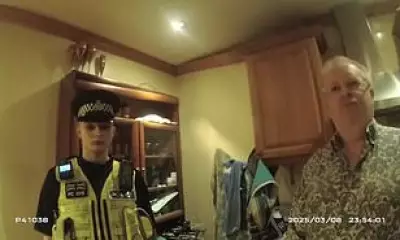
In recent years, the United States has witnessed a significant surge in the number of amateur crime investigators and streamers who delve into criminal cases, often broadcasting their findings online. This trend, highlighted by figures like Nancy Guthrie, has sparked widespread debate over its implications for the justice system and societal norms.
The Emergence of Amateur Sleuths
Amateur crime investigators, often self-taught and driven by personal interest or a desire for justice, have become increasingly visible through platforms such as YouTube, Twitch, and social media. They analyze evidence, interview witnesses, and sometimes even conduct their own investigations into unsolved cases. This phenomenon has been fueled by the accessibility of information online and the growing appetite for true crime content among the public.
Streamers and Live Investigations
Streamers, in particular, have taken this to a new level by broadcasting their investigative processes in real-time. This allows viewers to participate, offering tips and opinions, which can sometimes lead to breakthroughs but also raises risks of misinformation and interference. The interactive nature of streaming adds a layer of entertainment to serious matters, blurring the lines between journalism, activism, and spectacle.

Ethical and Legal Challenges
The rise of these amateur efforts has brought to light numerous ethical and legal concerns. For instance, there are worries about privacy violations, as investigators may inadvertently expose sensitive information about victims or suspects. Additionally, their actions could compromise official police investigations by contaminating crime scenes or alerting perpetrators.
Legal experts point out that amateur investigators often operate without proper training or oversight, potentially leading to false accusations or vigilante justice. This has prompted calls for clearer regulations and guidelines to govern such activities, ensuring they do not undermine the rule of law.
Case Study: Nancy Guthrie
Nancy Guthrie, a prominent figure in this movement, has gained attention for her in-depth analyses of high-profile cases. Her work exemplifies both the potential benefits and pitfalls of amateur crime investigation. While she has helped bring attention to overlooked cases, critics argue that her methods sometimes skirt ethical boundaries, highlighting the need for a balanced approach.
Impact on Public Perception and Safety
The popularity of amateur crime content has also influenced public perception of crime and justice. On one hand, it can raise awareness and encourage community involvement in solving cases. On the other hand, it may foster a culture of suspicion or fear, as viewers are exposed to graphic details and speculative theories without proper context.
Moreover, there are safety risks for the investigators themselves, who may put themselves in dangerous situations while pursuing leads. This underscores the importance of caution and collaboration with law enforcement agencies.
Future Outlook
As technology continues to evolve, the role of amateur crime investigators and streamers is likely to expand. This presents opportunities for positive change, such as leveraging crowdsourced intelligence to aid investigations, but also necessitates ongoing dialogue about ethics, legality, and responsibility. Stakeholders, including law enforcement, media, and the public, must work together to navigate this complex landscape.
In conclusion, the rise of amateur crime investigators and streamers in the US represents a fascinating yet contentious development. While it offers new avenues for engagement and justice, it also demands careful consideration of the ethical and legal frameworks that should guide such activities to protect all involved.