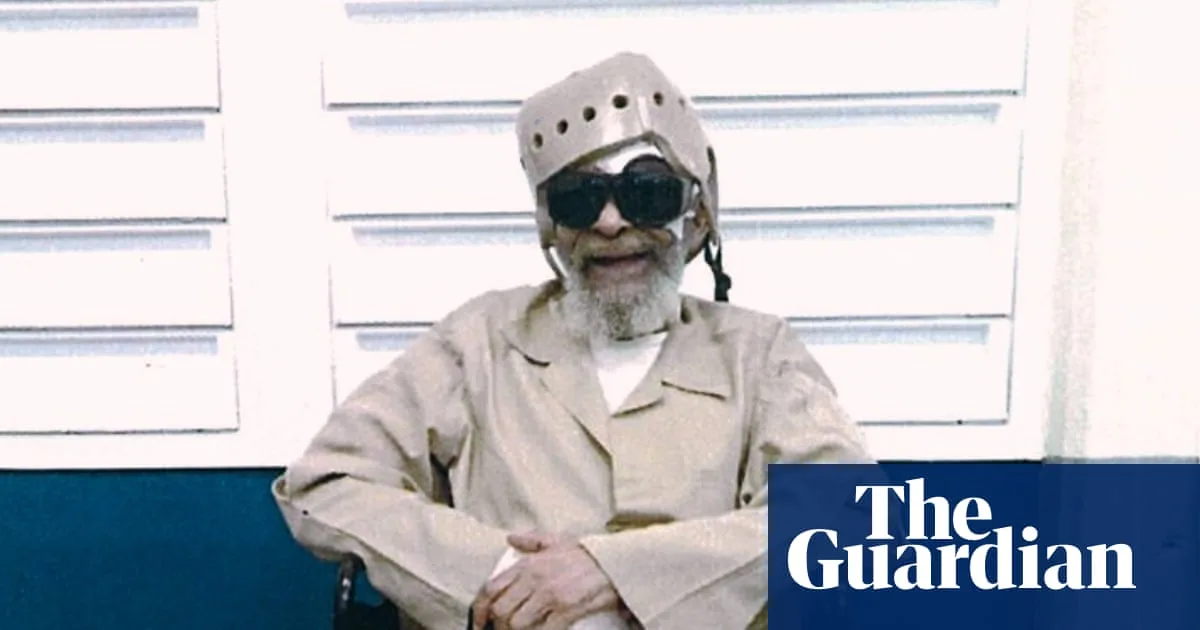
Alabama Governor Kay Ivey has commuted the death sentence of Charles 'Sonny' Burton, a 75-year-old inmate who was scheduled to be executed by nitrogen gas on Thursday night. Burton was convicted for the 1991 murder of Doug Battle during a store robbery, but the fatal shot was fired by another man, Derrick DeBruce, after Burton had left the store.
Governor Ivey, a Republican, reduced Burton's sentence to life in prison without the possibility of parole, marking only the second time she has granted clemency to a death row inmate since taking office in 2017. In a statement, Ivey said she could not fairly administer the death penalty to Burton when the actual shooter, DeBruce, had his sentence reduced to life in prison on appeal.
Ivey stated, 'I firmly believe that the death penalty is just punishment for society’s most heinous offenders... In order to ensure the continued viability of the death penalty, however, I also believe that a government’s most consequential action must be administered fairly and proportionately.'

Burton's case drew national attention, with advocates and criminal justice groups opposing his execution. Last week, protesters gathered outside the governor's mansion urging clemency. The victim's daughter, Tori Battle, wrote an op-ed in the Montgomery Advertiser asking Ivey to spare Burton's life, stating, 'My love for my father does not require another death, especially one that defies reason.'
Alabama has carried out 83 executions since the US Supreme Court reinstated the death penalty in 1976, according to the Death Penalty Information Center.