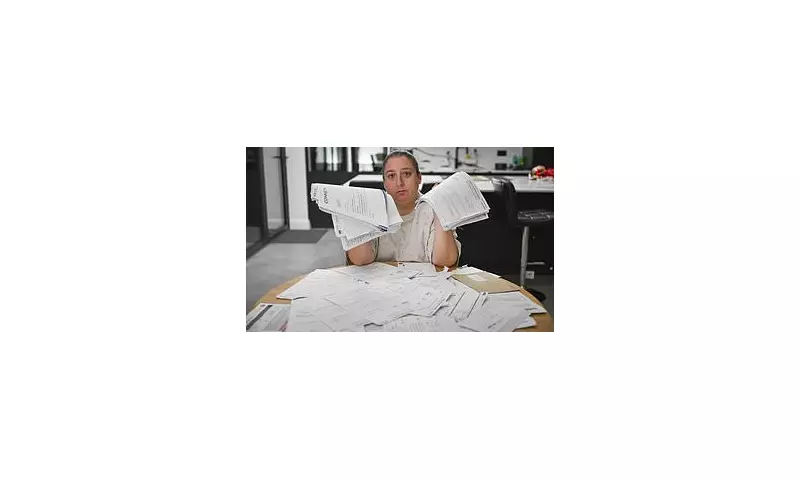
A couple who purchased what they later discovered was a former brothel in Hertfordshire have been plunged into a four-year nightmare of identity fraud, receiving over 2,000 letters chasing 'hundreds of thousands' of pounds in unpaid debts that are not theirs.
A Viewing Shrouded in Suspicion
Lisa and Elliot Freedman's saga began in 2021 when they sought a 'doer-upper' on a desirable residential road. A neighbour tipped them off about a problematic rental property whose landlord might sell. Upon viewing, Lisa, 42, was met with a shocking scene: around ten people inside, a strong smell of marijuana, rubbish strewn in the garden, and every room converted into a bedroom.
"The neighbours started coming out and asking if I was looking to buy this house," Lisa recalled. "They whispered, 'you know it's a brothel?'" The penny dropped: the odd arrangement of chairs and a TV in the hallway had likely been a waiting area.

The Unending Torrent of Fraudulent Post
After buying the house and undertaking an 18-month renovation to create a modern five-bedroom home, the real trouble began. A constant stream of letters arrived for numerous individuals. Opening them to prevent further crime, the Freedmans discovered a web of fraud.
They have found evidence of at least 16 vehicles registered to their address with the DVLA, along with bank accounts, mobile phone contracts, businesses, and even a Bounce Back Loan. The couple have faced bailiffs, county court judgments, speeding tickets, and congestion charge penalties—all for debts belonging to others.
"We feel like this could keep going on forever," Lisa told the Daily Mail, describing a futile game of 'whack-a-mole' where each resolved case seems to spawn another.
Fighting a System That Won't Listen
Despite repeatedly contacting companies, police, and Action Fraud, the couple have hit constant barriers. Organisations like HSBC, Lloyds, and O2 have stated they cannot help as Lisa is "not the account holder." Even when the DVLA removed 14 cars from the address, two new ones were added later.
Alarmingly, Action Fraud informed them the threshold for a full identity fraud investigation had "still not been met," leaving the onus entirely on the homeowners to prove their innocence for each new demand.
Security expert Thomas Balogun explained to the Daily Mail why this fraud is so prevalent: "A stable residential address gives [criminals] instant credibility... They borrow not just the location, but the trust and legitimacy that comes with it."
What To Do If You're a Victim
If you suspect you are a victim of similar address fraud, experts advise:
- Contact the organisation concerned (e.g., the bank or lender) immediately.
- Report it to Action Fraud online or on 0300 123 2040.
- Seek support from Victim Support if needed.
- Never ignore suspicious mail; query it directly with the sender and credit reference agencies.
Following contact from the Daily Mail, the DVLA confirmed its fraud team is now investigating. O2 and Ageas insurance also stated they are looking into the specific cases linked to the Freedmans' address. HSBC UK expressed sympathy and said it had taken steps to prevent further misdirected letters.
For Lisa and Elliot, the fight continues. "I've done nothing wrong," Lisa said. "My greatest fear is that we could keep going on like this forever, unless someone starts helping us."