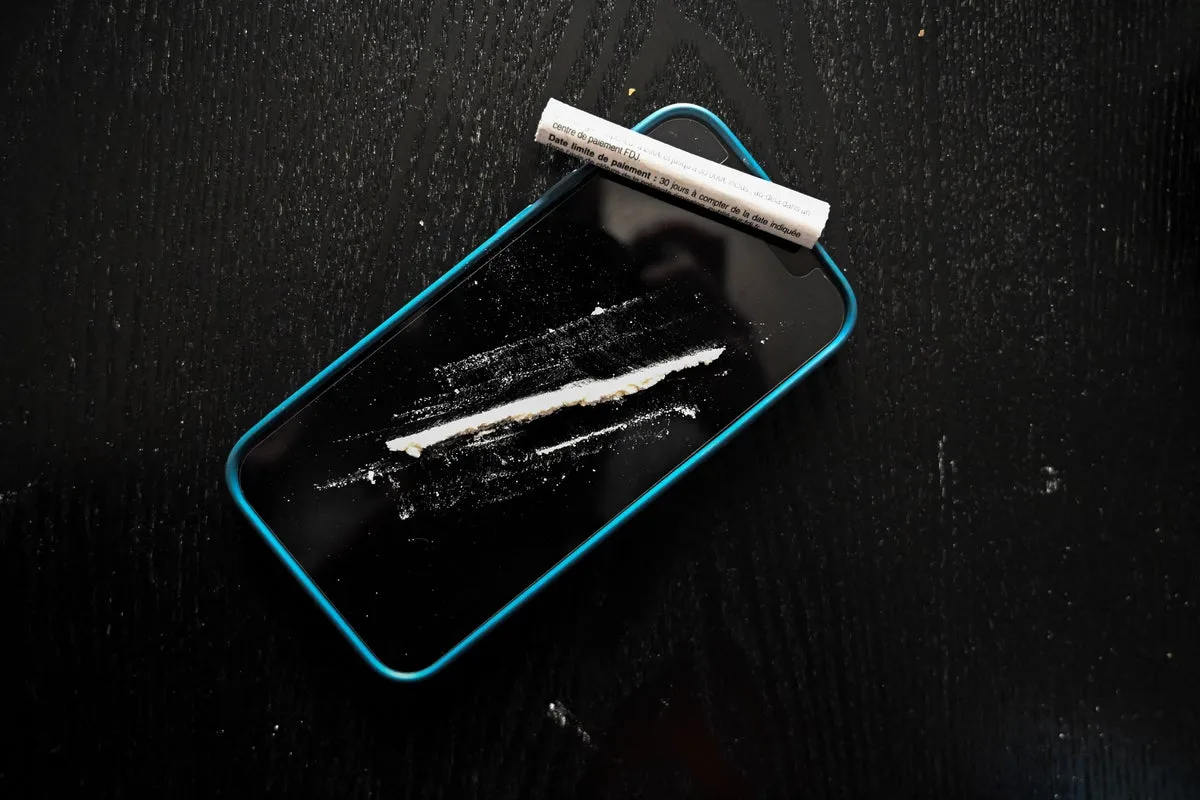
A major investigation has uncovered a disturbing new frontier in the illicit drug trade, where substances like cocaine, heroin, and ecstasy are being advertised openly on mainstream social media platforms and delivered to buyers via a national postal service.
Investigation Uncovers Vast Online Marketplace
According to a detailed report by CBC Ottawa and its French-language counterpart Radio-Canada, a weeks-long probe found hundreds of advertisements for hard drugs appearing on sites including Facebook and Instagram. These ads direct users to more than a dozen different websites operating as full-service online drug marketplaces.
The process for purchasing these illegal substances was described as alarmingly simple. Customers can reportedly browse selections, pay using credit cards or electronic transfers, and have their orders dispatched by Canada Post, the country's national mail carrier. One anonymous buyer, who spoke to CBC, compared the experience to shopping on a popular e-commerce giant.
"It's Like on Amazon": A Buyer's Shocking Testimony
"So you have this ad, it looks professional. You go on the website and it’s very easy. It's like on Amazon. You have many drugs, and you have cocaine," the individual stated. Having struggled with cocaine addiction in the past, he expressed disbelief at the accessibility, noting, "I was like, it's unbelievable to see this on social media."
He detailed the moment of receipt, confirming the legitimacy of the delivery: "I opened the package and I was like, OK, it's real. It's real stuff, it's real cocaine." This ease of access poses a severe risk, he warned, stating that constant exposure to such ads on social media can perpetuate addiction for vulnerable individuals.
Platforms and Postal Service Respond
In response to the findings, Meta, the parent company of Facebook and Instagram, emphasised that content attempting to buy, sell, or trade illicit drugs violates its policies. A company spokesperson confirmed that flagged ads and pages have been removed, with associated ad accounts disabled and administrators restricted from future advertising.
Canada Post issued a statement assuring the public that any illegal drugs identified within the mail system are intercepted. "When our Postal Inspectors confirm that an item contains an illegal drug, they remove the item from the mail stream and turn it over to the police," the service stated.
Police Action and Ongoing Concerns
The Royal Canadian Mounted Police (RCMP) informed CBC that it is "actively targeting individuals and networks" profiting from the online sale of illicit substances. While authorities work to crack down on this digital storefront for drugs, the investigation highlights the significant challenge of policing vast online platforms and the tangible consequences for public health and safety.

The report, published on Tuesday 6 January 2026, underscores a rapidly evolving and brazen method of drug distribution that leverages everyday technology and infrastructure, raising urgent questions for regulators, tech companies, and law enforcement on both sides of the Atlantic.