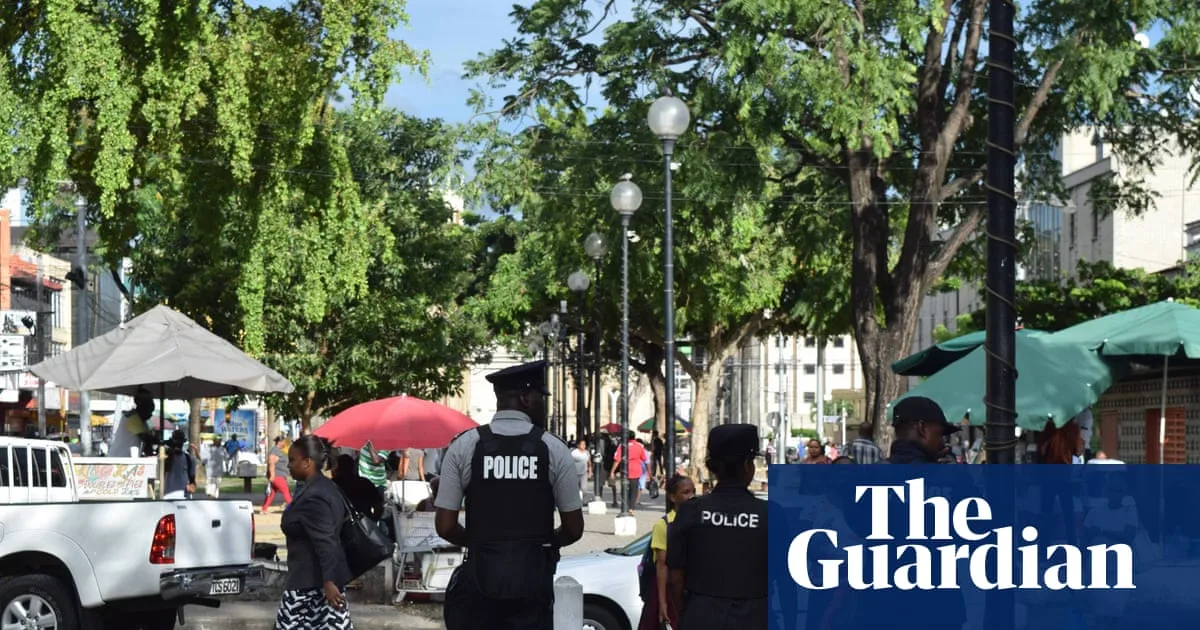
Trinidad and Tobago has declared its second state of emergency this year amid 'grave concerns' about a coordinated threat from organised crime gangs inside and outside the country’s prisons. Police Commissioner Allister Guevarro announced the decision on Friday, citing intelligence received the previous day that gangs had formed an organised crime syndicate intent on wreaking havoc, including assassinations, robberies and kidnappings.
Authorities have begun relocating certain gang leaders from the prison system to a more secure facility to disrupt communication with the outside world. Guevarro stated, 'There are persons who seem hellbent on facilitating the communication of these persons with the outside. So by removing them from this environment and placing them in one where they are much more secure, I can feel rest assured that communication link is broken.' He declined to confirm whether any protective services members were involved in the syndicate.
Despite the declaration, Guevarro insisted there had been no recent surge in crime, describing the pre-emptive action as part of a broader strategy developed with the minister of homeland security. The twin-island nation of about 1.5 million people has struggled with rising homicides and gang violence for over a decade, recording 624 homicides last year. However, local media reported a 33% decrease in homicides in May compared to the same period in 2024 and 2023.

Attorney General John Jeremie noted a resurgence in gang-related homicides and kidnappings, stating the state of emergency would last 'as long as the security forces tell us that they need the additional legislative support.' The current order mirrors one declared in December 2024 and extended in January 2025, with no curfew but enhanced police powers, including warrantless entry to premises.
Former Police Commissioner Gary Griffith criticised the declaration as 'ridiculous,' arguing the issue could have been resolved with better prison management. He cited an incident where a major criminal in Port of Spain prison had phones repeatedly seized, only to obtain new ones due to corrupt prison officers.