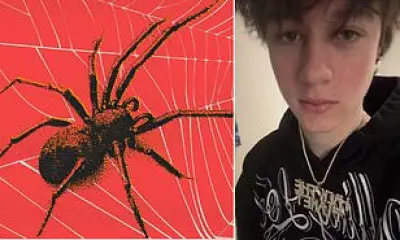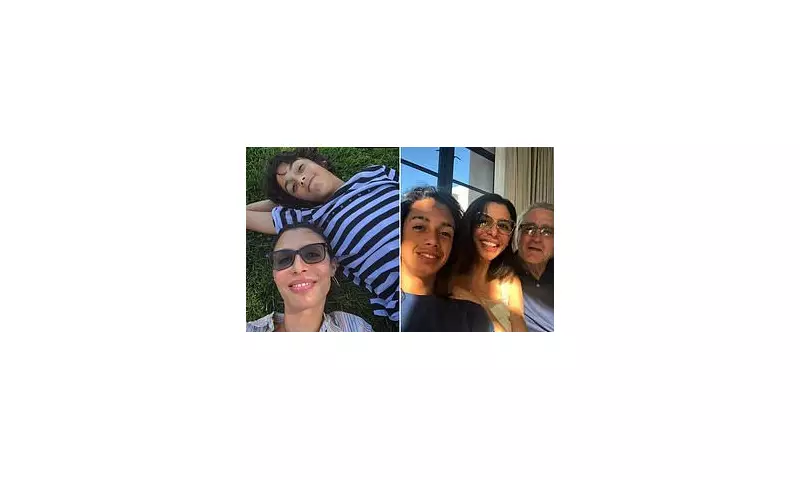
The heartbreaking story behind the death of Robert De Niro's 19-year-old grandson Leandro De Niro Rodriguez has been revealed by his grieving mother, who points to social media and pandemic isolation as key factors in his descent into opioid addiction.
The Downward Spiral: From Social Media to Substance Abuse
Drena De Niro, 58, has spoken publicly about her son's struggle with addiction, explaining that she initially knew Leandro enjoyed recreational cannabis and socialising. However, she observed a dramatic change in his behaviour that she attributes to time spent on TikTok during the COVID-19 pandemic.
"There was a change in him that was so fast," Drena told Page Six. "He got messed up so fast that I knew something wasn't right here, and I knew it had something to do with what he was doing on the internet."

Despite seeking help through rehabilitation, Drena believes the treatment facility failed her son. "It did a terrible disservice to him," she stated. "That was very sad to me because he wanted help. He knew he was over his head. I don't think he even knew why. I think he had been exposed to much harder drugs that he didn't know about."
The Fatal Overdose and Subsequent Arrests
Leandro's life ended tragically on July 2, 2023, when he was found dead from an accidental fentanyl overdose inside a $950,000 apartment in the Cipriani Club Residences on Wall Street.
According to federal court documents, a female drug dealer identified as 'CC-1' sold Leandro "a mix of fentanyl pills and Xanax" in the week before his death. Shockingly, the dealer allegedly texted warnings to the teenager, stating: "I don't want to kill you" and "Do you really need them… [I don't] wanna kill you."
The indictment reveals that Leandro ultimately purchased three fentanyl pills and two Xanax for $105, which were delivered by car service to a friend's downtown apartment on June 30. When the dealer texted "you good?" at 1:50am on July 2, he never responded.
On October 30, prosecutors announced the arrests of five men: Grant McIver, Bruce Epperson, Eddie Barreto, John Nicolas and Roy Nicolas. They are accused of operating a New York City drug ring that supplied counterfeit pills containing fentanyl to teenagers and young adults. All five have pleaded not guilty.
A Mother's Grief and Quest for Justice
Drena described the day her son died, recalling that she woke up feeling "completely distressed" without understanding why. "I woke up, and I was just physically a mess. I couldn't concentrate… I was so worked up," she remembered. "And that's when the doorbell rang. This detective stood there, and the whole world as I knew it collapsed."
Regarding the arrests, Drena expressed mixed emotions, calling the development "really strange" and "so bittersweet." "You don't feel any happier," she admitted. "I'm hoping they do get some justice. If you're going to sell drugs to young people, it doesn't matter whether you made it, whether you know or didn't know, you're taking a chance."
However, she demonstrated remarkable compassion, adding: "I'm not interested in ruining some 24-year-old's life."
The federal indictment alleges the drug distribution group sold thousands of fake prescription pills, with Leandro identified as "victim three" in the court documents. This tragic case highlights the growing danger of counterfeit pharmaceuticals targeting young people through social media platforms.